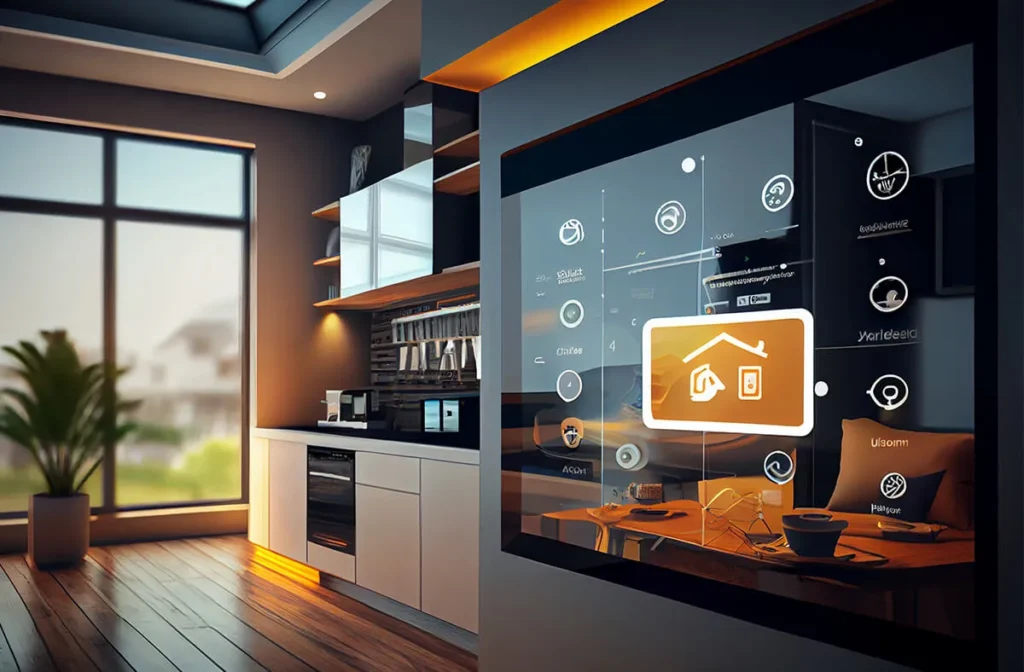
The definition of a modern home has changed dramatically in recent years. For today’s homeowner, comfort is no longer limited to spacious rooms and good ventilation. Technology, efficiency and intuitive design now play a central role in shaping everyday living. Smart home upgrades are no longer futuristic luxuries, they are fast becoming essential features that enhance convenience, security and sustainability.
Here are seven smart home upgrades every new-age homeowner should consider.
1. Intelligent Lighting Systems
Smart lighting does far more than switch on and off. Automated lighting systems allow residents to control brightness levels, set schedules and even adjust tones depending on the time of day. Motion-sensor lighting in corridors and bathrooms adds convenience while also reducing energy consumption.
Beyond practicality, lighting significantly influences mood. A well-designed smart lighting setup can transform a living room into a relaxed evening retreat or a focused workspace within seconds.
2. Advanced Home Security Solutions
Security remains a top priority for modern homeowners. Smart video doorbells, app-controlled locks and CCTV systems provide real-time monitoring and remote access, ensuring peace of mind whether you’re at home or away.
Integrated security systems allow homeowners to receive instant alerts and manage entry permissions digitally. This layered approach enhances safety without compromising on aesthetics or comfort.
3. Smart Climate Control
Energy-efficient climate control systems are becoming increasingly popular. Smart thermostats learn user preferences and regulate temperature automatically, maintaining comfort while minimising electricity usage.
In a country with varying seasonal demands, having adaptive climate control ensures that homes remain comfortable throughout the year without excessive energy consumption.
4. Voice and App-Based Home Automation
From controlling appliances to adjusting lighting and music, centralised automation systems simplify daily routines. Voice-enabled assistants and mobile applications allow residents to manage multiple functions seamlessly.
This interconnected ecosystem saves time and eliminates the need for multiple switches and remotes. The result is a streamlined living experience where technology works quietly in the background.
5. Energy Monitoring Systems
Modern homeowners are more environmentally conscious than ever before. Smart energy monitoring systems provide real-time insights into electricity usage, helping families identify high-consumption appliances and adjust habits accordingly.
This not only supports sustainable living but also reduces long-term utility costs. As sustainability becomes a core consideration in residential design, such upgrades are increasingly valued.
6. Smart Water Management
Water-saving technologies, including automated irrigation systems and leak detection sensors, contribute to responsible resource management. Early leak alerts prevent structural damage and unnecessary wastage, offering both environmental and financial benefits.
As cities continue to expand, responsible water usage has become an important aspect of future-ready homes.
7. Integrated Community Technology
Smart living is no longer limited to individual apartments. Many planned residential communities are incorporating technology at a broader level, from app-based visitor management systems to digitally managed amenities.
Developments such as Joyville Western Heights reflect how smart features can extend beyond the front door, enhancing security, access and convenience across an entire residential environment. Within thoughtfully planned communities like Joyville, technology complements lifestyle amenities rather than overshadowing them.
Shapoorji pallonji real estate, part of the wider Shapoorji Pallonji legacy, has increasingly aligned residential planning with evolving homeowner expectations, where intelligent infrastructure supports daily comfort. The focus remains on integrating modern features in ways that feel practical and user-friendly rather than overly complex.
The Future of Everyday Living
Smart home upgrades are not about chasing trends; they are about future-proofing living spaces. New-age homeowners value efficiency, control and sustainability, and technology provides the tools to achieve all three.
However, true smart living lies in balance. Technology should enhance comfort without overwhelming it. The most successful homes are those where digital innovation works quietly in the background, supporting daily life rather than dominating it.
As residential preferences continue to evolve, smart upgrades will play an increasingly central role in shaping modern communities. For homeowners looking ahead, choosing spaces that incorporate intelligent systems is no longer optional, it is a step towards a more connected, secure and sustainable way of life.
