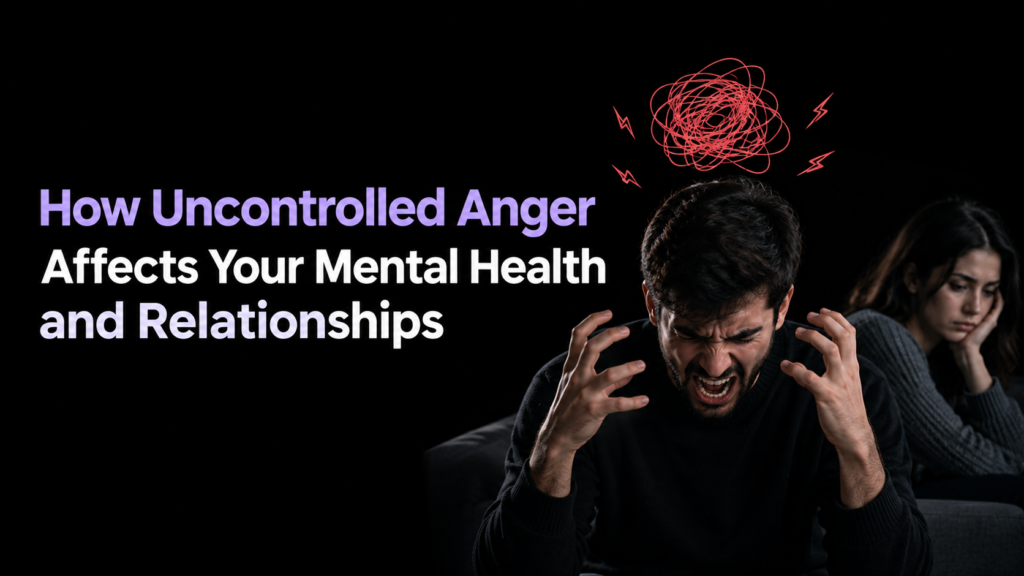
Anger is a natural emotional response to frustration, disappointment, stress, or feeling misunderstood. However, when anger becomes frequent, intense, or difficult to control, it can begin to affect your emotional wellbeing and relationships. Repeated angry reactions may lead to arguments, emotional distance, guilt, and difficulty communicating with others.
Uncontrolled anger can also make everyday stress feel harder to manage. Understanding your triggers and learning healthier ways to respond can make a significant difference. Anger management therapy can provide professional support for recognising anger patterns, managing intense emotions, and developing more constructive responses.
When Does Anger Become a Concern?
Feeling angry from time to time is normal. The concern arises when anger starts interfering with your daily life, relationships, or ability to handle stressful situations.
Some common warning signs include:
- Frequent arguments with family, friends, or partners
- Shouting or speaking aggressively during disagreements
- Becoming irritated over minor situations
- Difficulty calming down after becoming angry
- Holding onto resentment for long periods
- Saying things you later regret
- Feeling that others are constantly provoking you
- Experiencing guilt after angry outbursts
- Finding it difficult to communicate calmly during conflict
When these patterns occur regularly, professional support may help you understand what is driving your reactions.
The Impact of Uncontrolled Anger on Mental Health
Unmanaged anger does not only affect the people around you. Frequent emotional outbursts can also influence your thoughts, stress levels, self-image, and overall emotional wellbeing.
1. Increased Stress and Emotional Tension
Repeated anger can keep your mind in a state of emotional tension. When frustration becomes your usual response to stressful situations, even small problems may begin to feel overwhelming.
Over time, this constant tension can make relaxation and emotional balance more difficult.
2. Emotional Exhaustion and Frustration
Frequent arguments and intense emotional reactions can leave you feeling mentally drained. You may experience frustration, guilt, embarrassment, or regret after an angry episode.
This can create a cycle in which stress contributes to anger, followed by emotional exhaustion and further frustration.
3. Negative Thinking Patterns
Anger can influence how you interpret other people’s words and actions. You may become more likely to assume that someone is intentionally disrespecting, ignoring, or provoking you.
These thoughts can intensify emotional reactions and make disagreements harder to resolve.
4. Effects on Self-Esteem
Repeated angry outbursts may leave you questioning your behaviour or feeling disappointed in yourself. If you regularly regret things said during arguments, you may begin to develop negative beliefs about your ability to manage your emotions.
Learning to recognise emotional triggers can help you develop greater confidence in handling difficult situations.
5. Difficulty Handling Stress
When anger becomes an automatic response to pressure, dealing with work problems, family responsibilities, financial concerns, or relationship disagreements can become more challenging.
Developing healthier coping strategies can make stressful situations easier to approach without immediately reacting with anger.
The Impact of Anger on Relationships
Relationships can be particularly affected when anger repeatedly becomes part of everyday communication. Even when there is love and commitment, frequent conflict can gradually weaken emotional connection.
1. Communication Breakdowns
Healthy communication requires both people to feel heard and respected. Shouting, criticism, interruptions, or aggressive responses can make honest conversations difficult.
Over time, a partner may avoid expressing their thoughts or concerns because they fear another argument. Relationship counselling can provide couples with a structured space to understand communication difficulties and work on healthier ways of expressing their feelings.
2. Emotional Distance Between Partners
Repeated anger can gradually create emotional distance. One partner may become withdrawn, cautious, or less comfortable sharing personal feelings.
Without open communication, unresolved concerns can continue to build beneath the surface. Addressing these patterns through open conversations or professional counselling can help couples rebuild emotional connection.
3. Escalating Arguments and Conflicts
Small disagreements can quickly become major conflicts when anger is difficult to control. A simple difference of opinion may turn into blame, criticism, or arguments about past issues.
Learning to pause, listen, and communicate more thoughtfully can reduce unnecessary escalation. For couples struggling to break repeated conflict patterns, relationship counselling may offer practical guidance and support.
4. Trust and Emotional Safety
Trust can be affected when angry reactions are unpredictable or intense. People may become hesitant to express themselves openly when they are unsure how the other person will respond.
Creating a calmer communication environment can help restore emotional safety and mutual understanding.
5. Regret After Angry Outbursts
During an intense argument, people may say things they do not genuinely mean. Once emotions settle, regret and guilt may follow.
Repeated cycles of anger, conflict, apology, and renewed conflict can become exhausting for both partners. Recognising the pattern and seeking appropriate support can make it easier to move toward healthier interactions.
Common Triggers Behind Anger
Anger is not always caused by the situation happening in the moment. Sometimes, deeper emotional concerns, accumulated stress, or unresolved experiences can influence the intensity of a reaction.
Common triggers include:
- Work-related pressure
- Financial difficulties
- Relationship problems
- Feeling ignored or misunderstood
- Family conflicts
- Unrealistic expectations
- Ongoing stress
- Lack of sleep
- Feelings of rejection or insecurity
- Difficulty expressing emotions
- Unresolved past experiences
Identifying personal triggers can be an important first step toward changing unhealthy reaction patterns.
How Anger Management Therapy Can Help
Anger management therapy focuses on understanding anger rather than simply suppressing it. A mental health professional can help you explore what happens before, during, and after an angry reaction.
Therapy may help you:
- Identify emotional and situational triggers
- Recognise early warning signs of anger
- Understand thoughts that intensify emotional reactions
- Develop healthier emotional regulation skills
- Improve communication during disagreements
- Learn strategies for responding rather than reacting
- Manage frustration more effectively
- Address underlying emotional concerns
- Develop healthier approaches to conflict
The aim is not to stop experiencing anger altogether. Instead, therapy can help you understand the emotion and express it in ways that are safer and more constructive.
Healthy Strategies for Managing Anger
Professional support can be valuable, but developing healthier everyday habits can also support better emotional regulation.
1. Pause Before Responding
When you notice anger building, take a moment before speaking or acting. A short pause can give you time to consider your response rather than reacting impulsively.
2. Recognise Personal Triggers
Pay attention to situations that repeatedly make you angry. Understanding common triggers can help you identify patterns and prepare for challenging situations.
3. Communicate Feelings Clearly
Try explaining what you feel without blaming or attacking the other person. Clear communication can reduce defensiveness and make difficult conversations more productive.
4. Take a Break During Heated Arguments
If a disagreement becomes overwhelming, stepping away for a short period can prevent further escalation. Once emotions have settled, you can return to the conversation with a clearer mindset.
5. Manage Everyday Stress
Stress can make emotional reactions harder to control. Regular sleep, physical activity, relaxation, and healthy routines may support better emotional balance.
Conclusion
Uncontrolled anger can affect your mental wellbeing, communication, and relationships, but unhealthy patterns can be changed. Understanding your triggers and developing better ways to respond can make difficult emotions easier to manage.
If anger frequently affects your daily life, anger management therapy can offer professional guidance and practical strategies for healthier emotional regulation. When anger is creating repeated conflict between partners, relationship counselling can also support better communication, mutual understanding, and healthier ways of handling disagreements.
With the right support and consistent effort, you can develop healthier ways to express anger, handle conflict, and maintain stronger relationships.
