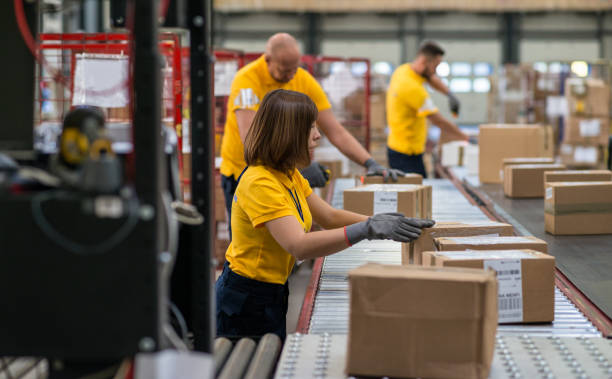
Buying products from overseas suppliers can create quality concerns, especially when the buyer cannot visit the factory during production. A product may look fine in samples but still have defects in the final shipment. This is where product inspection services in China can help.
Product inspections give buyers an independent view of product quality before goods are shipped. Inspectors check products against agreed specifications, approved samples, drawings, packaging requirements, and other quality standards. This helps buyers identify problems early and decide whether products are ready for shipment.
For businesses sourcing from Chinese manufacturers, proper inspection can reduce the risk of receiving defective, incomplete, or incorrectly packed products.
What Are Product Inspection Services in China?
Product inspection services in China involve checking manufactured goods at different stages of the production and shipping process. A trained inspector visits the factory or production site and examines products based on the buyer’s requirements.
The inspection may include checking:
- Product appearance and workmanship
- Dimensions and measurements
- Materials and components
- Product quantity
- Function and performance
- Assembly and finishing
- Labels and markings
- Packaging and cartons
- Product specifications
The exact inspection process depends on the product and the buyer’s quality requirements.
For example, an importer purchasing electrical equipment may require functional and safety checks, while a buyer sourcing clothing may focus on fabric, stitching, measurements, color, labeling, and finishing.
Why Is Product Inspection Important?
Quality problems can become expensive when they are discovered after products have left the factory. At that stage, returning goods, arranging repairs, or replacing products may take considerable time and money.
Professional china product inspection services allow buyers to identify quality problems before shipment.
An inspection can help businesses:
- Detect manufacturing defects
- Confirm product specifications
- Check product quantity
- Verify packaging requirements
- Reduce the risk of rejected shipments
- Identify problems before final payment
- Maintain consistent product quality
- Protect customer satisfaction
Inspection is not only about finding defects. It also gives buyers useful information about the actual condition of an order before it reaches the next stage of the supply chain.
When Should Product Inspection Be Conducted?
Product inspections can be performed at different stages of manufacturing. Choosing the right inspection stage depends on the product, order size, production process, and buyer’s requirements.
During Production Inspection
During production inspection takes place while manufacturing is still underway. It helps identify problems early enough for the factory to make corrections.
For example, if an inspector discovers incorrect dimensions during production, the factory may be able to adjust its process before the entire order is completed.
Pre-Shipment Inspection
A pre-shipment inspection is normally carried out when most of the order has been produced and packed. The inspector checks finished products against the buyer’s specifications before shipment.
This type of inspection is useful for confirming whether the completed order meets the required quality level.
Container Loading Inspection
Container loading inspection focuses on the loading process. The inspector checks product quantity, carton condition, packaging, container condition, and loading procedures.
This can help reduce problems such as incorrect quantities, damaged cartons, or improper loading.
What Does Product Inspection China Usually Cover?
The scope of product inspection China services can vary depending on the product. However, several checks are commonly included.
Visual Inspection
Inspectors examine products for visible defects such as scratches, cracks, stains, dents, poor finishing, color differences, or damaged components.
Dimensional Inspection
Measurements are compared with approved specifications or technical drawings. This is especially important for products where size and fit directly affect performance.
Functional Testing
The inspector may operate or test the product to determine whether it works as expected.
For example, an inspection may involve checking switches, buttons, moving parts, electrical functions, or other product-specific features.
Quantity Verification
The inspector verifies whether the factory has produced the correct quantity. This can help identify shortages before shipment.
Packaging Inspection
Packaging is checked to ensure that cartons, labels, inner packaging, and protective materials meet the buyer’s requirements.
Good packaging is important because a product that passes manufacturing checks can still be damaged during transportation if it is not packed properly.
How Does a Product Inspection Work?
The inspection process usually follows several basic steps.
First, the buyer provides the inspection requirements. These may include product specifications, approved samples, drawings, packaging details, and acceptable quality limits.
Next, an inspector visits the factory and selects products according to the agreed inspection method. The inspector then carries out visual, dimensional, functional, quantity, and packaging checks as required.
After completing the inspection, the findings are documented in an inspection report. The report normally includes photographs, inspection results, defect details, quantities checked, and other relevant observations.
The buyer can then review the results and communicate with the supplier if corrective action is required.
What Are Common Defects Found During Inspection?
The types of defects depend heavily on the product. Common examples include:
- Incorrect dimensions
- Surface scratches
- Cracks or dents
- Poor stitching
- Color variation
- Missing components
- Incorrect labeling
- Poor assembly
- Functional failures
- Damaged packaging
- Incorrect quantities
Some defects may be minor and have little impact on product use. Others may affect safety, functionality, appearance, or customer satisfaction.
For this reason, buyers should define acceptable quality requirements before production begins.
How to Choose Product Inspection Services
Choosing the right inspection provider is an important part of quality control. Buyers should consider whether the inspection company understands the product category and can follow detailed inspection instructions.
A reliable inspection service should provide clear reports and useful evidence, including photographs and specific defect information.
It is also helpful to confirm whether the service can support different inspection stages, such as during production, pre-shipment, and container loading.
Communication is another important factor. Inspection requirements can sometimes be detailed, so buyers should work with a team that understands their specifications and can communicate clearly with the factory.
Product Inspection Services vs. Factory Audits
Product inspection and factory audits serve different purposes.
A product inspection focuses mainly on the goods being manufactured. It checks whether products meet specified quality requirements.
A factory audit looks more closely at the supplier itself. It may review production capabilities, quality systems, facilities, documentation, equipment, and working practices.
Businesses sourcing from China may use both approaches. A factory audit can help evaluate a supplier before placing an order, while product inspection can help verify the quality of a specific production order.
How Product Inspection Can Support Better Quality Control
A well-planned inspection program can become part of a broader quality control process. Instead of waiting until products arrive at their final destination, buyers can check quality at important points during production.
Early detection can make corrective action easier. It may also reduce unnecessary rework, delays, rejected goods, and customer complaints.
For businesses that regularly source from Chinese manufacturers, consistent inspection procedures can provide better visibility into supplier performance and product quality.
Frequently Asked Questions
1. What are product inspection services in China?
Product inspection services in China involve checking manufactured goods against agreed specifications, approved samples, quality requirements, and packaging standards before or during shipment.
2. When should products be inspected?
Products can be inspected during production, after production, before shipment, or during container loading. The right timing depends on the product and buyer’s requirements.
3. What does a product inspection check?
A product inspection may check appearance, dimensions, materials, quantity, workmanship, functionality, labeling, packaging, and other product-specific requirements.
4. Why use china product inspection services?
They allow buyers to identify quality problems before products are shipped. This can help reduce the risk of receiving defective or incorrectly produced goods.
5. Is product inspection the same as a factory audit?
No. Product inspection focuses on the actual goods and their quality, while a factory audit evaluates the supplier’s facilities, processes, capabilities, and management systems.
