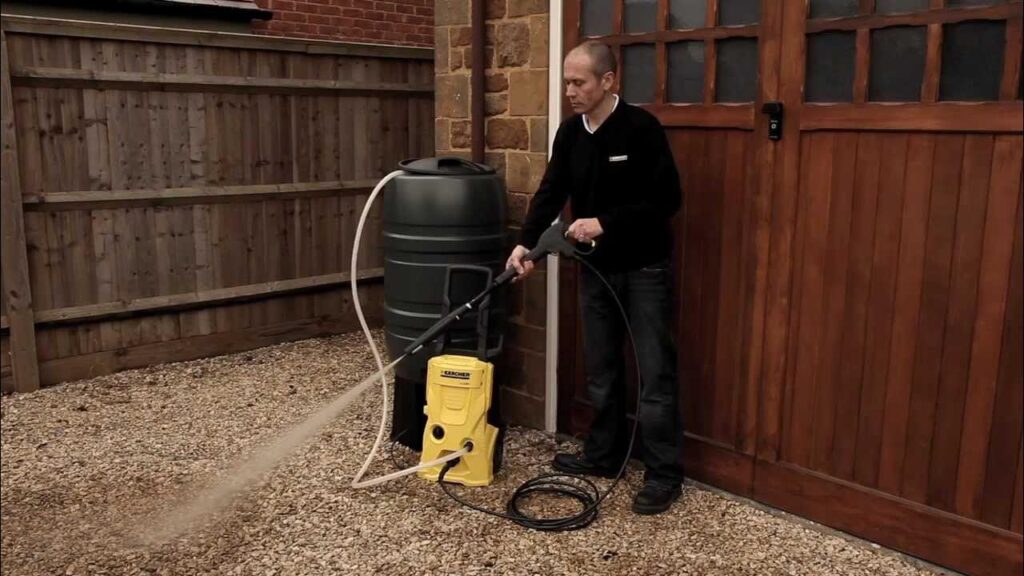
Commercial cleaning equipment should fit the conditions in which it will operate. A machine that performs well outside a vehicle yard may not be suitable inside a warehouse, workshop, food-related facility, or occupied building. Therefore, buyers should consider the environment before comparing pressure and flow ratings.
A commercial electric pressure washer can provide a practical solution where engine exhaust, fuel storage, and excessive noise would create problems. Electric models still require a safe and compatible power connection, but they can support regular cleaning in enclosed or controlled work areas when the facility has the correct electrical capacity.
Water temperature is another major consideration. Cold water can remove dust, loose dirt, and general outdoor buildup. However, grease and oily residue may require more time, detergent, and repeated passes when heat is not available.
Begin With the Contamination
The material being removed should guide the equipment decision. Dirt, sand, mud, algae, food residue, grease, and petroleum-based contamination behave differently when exposed to water, detergent, pressure, and heat. Identifying the most common soil helps buyers avoid paying for features they rarely need.
For facilities that regularly deal with oily buildup, hot-water pressure washers can help loosen residue and improve compatible detergent performance. Heat does not eliminate the need for correct pressure or technique, but it can reduce the number of passes required on suitable surfaces.
The frequency of difficult cleaning also matters. A business that removes grease every day may receive more value from heated equipment than one that only faces oily contamination a few times each year. In occasional cases, renting specialized equipment or using a professional service may be more practical.
Why Electric Equipment Works Well in Controlled Areas
Electric pressure washers do not produce engine exhaust at the point of use. This feature can make them easier to integrate into indoor facilities, provided the cleaning area has suitable ventilation for moisture and any detergents being used.
They also avoid gasoline or diesel handling. As a result, operators do not need to refuel the machine during the cleaning shift. The equipment still requires routine pump, hose, filter, cable, and fitting maintenance, but it removes several engine-related service tasks.
Noise levels may also be more manageable than with engine-powered machines. This can be helpful around offices, schools, retail spaces, healthcare buildings, and other occupied properties. Still, pump and spray noise remain, so cleaning schedules should consider people working nearby.
Confirm the Electrical Requirements
An electric pressure washer must match the facility’s electrical system. Buyers should confirm voltage, phase, amperage, plug type, circuit capacity, and any installation requirements before ordering equipment.
A standard household outlet will not support every commercial machine. Higher-output models may require dedicated circuits or specialized connections. Guessing about compatibility can cause tripped breakers, poor performance, damaged components, or electrical hazards.
Extension cords should only be used when the equipment instructions permit them. The cord must have the correct rating, length, and protection. Connections should remain away from standing water, and ground-fault protection should follow local requirements and manufacturer guidance.
Where Hot Water Provides an Advantage
Hot water can be valuable in automotive shops, fleet facilities, food-related operations, industrial maintenance areas, and properties where oil or grease collects. Heat helps soften certain contaminants so that pressure, water flow, and detergent can remove them more efficiently.
However, heated machines include additional components such as burners, coils, fuel systems, and temperature controls. These systems require inspection and maintenance. Buyers should compare the productivity benefit with the added service needs.
Temperature must also suit the cleaned material. Some coatings, seals, plastics, adhesives, and finished surfaces can react poorly to excessive heat. Operators should confirm surface compatibility and begin with a controlled setting.
Compare PSI and GPM Together
PSI measures water force, while GPM measures flow. Pressure helps loosen contamination, and flow carries the loosened material away. Choosing equipment from PSI alone can produce an unbalanced setup.
A high-pressure machine with limited flow may require extra rinsing passes across wide surfaces. Meanwhile, more flow can improve productivity even when the pressure remains moderate. The best combination depends on the floor area, surface, soil, and desired completion time.
More pressure is not automatically better. Excessive force can remove paint, cut wood fibers, damage seals, etch concrete, or drive water into machinery and electrical components. Operators should use the lowest effective pressure for each application.
Consider Portability and Reach
Electric machines depend on access to power, so the location of outlets affects reach. Longer high-pressure hoses may extend the working area without moving the machine. However, every hose and fitting must support the system’s pressure, flow, and temperature.
Hot-water machines may be larger because of their heating system and fuel tank. Cart-mounted models can support movement around a facility, while skid-mounted or trailer-mounted systems may suit mobile crews and fixed cleaning stations.
Buyers should measure doors, ramps, aisles, and storage areas. A machine that cannot reach the work zone safely will not provide the expected productivity.
Plan Detergent Use Carefully
Detergent can improve cleaning when it matches the contamination and surface. Operators should follow dilution, application, contact-time, and rinsing instructions rather than assuming a stronger mixture will work better.
Hot water may improve some detergents, but chemical compatibility must be confirmed. Excessive heat can change how a product behaves. The machine’s seals, pump, hose, and accessories must also support the chosen chemical.
Wastewater deserves equal attention. Grease, oil, chemicals, and loosened contamination may require controlled recovery or disposal. Businesses should plan the full cleaning process instead of allowing runoff to enter an unsuitable drain.
Review Maintenance and Support
Electric machines require inspection of motors, cables, switches, pumps, filters, hoses, and fittings. Hot-water machines add burners, coils, fuel filters, thermostats, and related components to the maintenance plan.
Operators should inspect equipment before each use and report leaks, unusual sounds, weak pressure, electrical damage, or heating problems. Early attention can prevent a small fault from becoming an expensive failure.
Pressure King helps commercial users compare pressure-washing equipment for different environments and workloads. Access to knowledgeable support, compatible accessories, replacement parts, and repair services can be as important as the initial machine specifications.
Train Operators for the Selected System
Electric equipment introduces water-and-electricity risks, while heated systems add burn and fuel hazards. Operators should receive training that matches the exact machine rather than relying only on general pressure-washing experience.
Training should cover inspections, startup, shutdown, pressure release, nozzle changes, detergent use, cable or fuel handling, and emergency response. Protective eyewear, suitable footwear, gloves, and other job-specific equipment should be worn.
The spray should never be directed toward people, animals, electrical equipment, damaged surfaces, or openings where water could enter a building. Hot fittings and hoses may remain dangerous after the burner is turned off.
Final Thoughts
Electric and hot-water pressure washers address different operational needs. Electric equipment can fit indoor or noise-sensitive settings with suitable power. Heated equipment can improve productivity when grease and oily residue are common.
The correct choice depends on contamination, surface type, utilities, operating hours, portability, wastewater control, maintenance, and training. By evaluating the complete cleaning environment, a business can select equipment that delivers useful performance without introducing unnecessary cost or risk.
