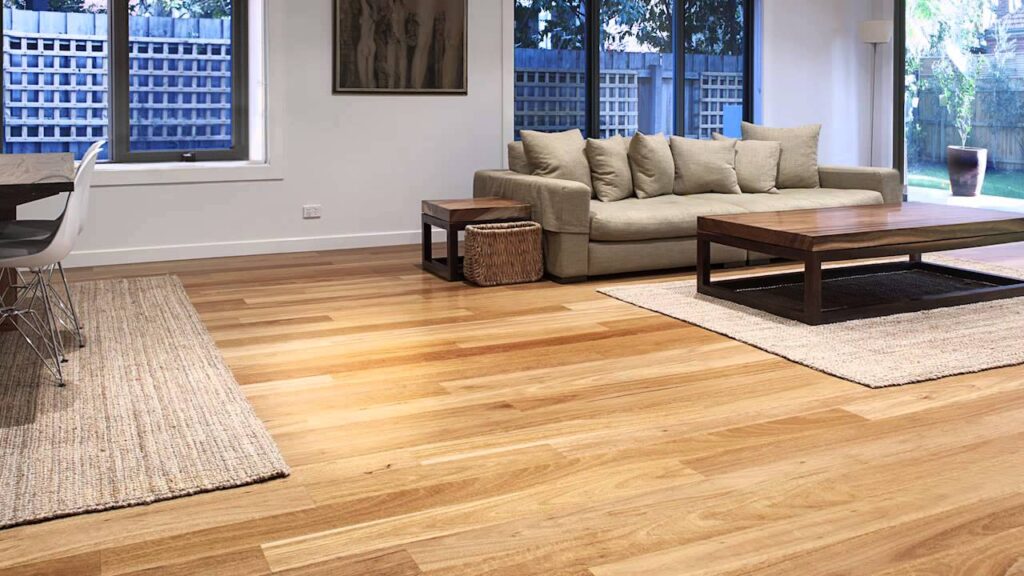
Two WPC products can look nearly identical while offering very different performance. The visible design represents only one layer. Beneath it are the core, edge connection, attached backing, and other components that determine how the surface responds to furniture, traffic, temperature changes, and ordinary household accidents.
A useful comparison therefore goes beyond shade and price. Buyers need to understand product specifications, installation limits, room conditions, and warranty language. This approach reduces the risk of selecting a beautiful material that is poorly suited to the space where it will be used.
Begin With the Room Instead of the Product
Start by identifying how the room functions. A bedroom may receive light traffic, while an entrance or open kitchen receives constant movement, dirt, chair use, and spills. Sun exposure, pets, heavy furniture, and access to outdoor doors should be noted before comparing samples.
The floor should respond to those conditions without demanding a level of care the household cannot maintain. A practical room profile creates clear priorities and keeps the buying decision from being controlled by appearance alone.
Read the Product Construction Details
The core provides the main body of a WPC plank, but total construction includes several layers. Buyers should check overall thickness, wear protection, surface coating, backing, bevel design, and the connection system. Each element contributes to feel, stability, appearance, or maintenance.
A broad selection of waterproof WPC floor designs may include different specifications even when products share a similar visual style. Product data and installation documents should therefore be reviewed side by side rather than treated as minor technical paperwork.
Understand What Thickness Can and Cannot Do
A thicker product may feel more substantial and may include a stronger core or backing. However, thickness alone does not guarantee a tougher surface or stronger joints. Wear-layer quality and manufacturing accuracy remain important.
Thickness also affects transitions to neighboring rooms, door clearance, appliances, and trim. The best dimension is the one that works with the installation while meeting the room’s performance needs. Buyers should avoid selecting the largest number without considering the rest of the assembly.
Give the Wear Layer Proper Attention
The clear protective layer sits above the printed design and receives daily contact. Homes with large pets, active children, or frequent visitors generally need more protection than low-use rooms. Yet a thickness measurement tells only part of the story because the quality of the coating also matters.
Warranty language may explain what the manufacturer considers normal wear and what it treats as damage or misuse. Buyers should review exclusions related to rolling loads, pets, direct sunlight, cleaners, and commercial activity.
Inspect the Locking System
Click-connected boards depend on precisely formed edges. Weak or damaged joints may separate, chip, or produce noise after repeated movement. Sample pieces can be connected to see how firmly they fit and whether the edges appear clean and consistent.
Installation technique matters as much as design. Forcing boards together, using the wrong tapping method, or working over an uneven base can damage otherwise sound joints. The installation guide should remain available throughout the project.
Evaluate Attached Padding
Many WPC products include a pad that can improve comfort and reduce some impact noise. Buyers should check the pad material, thickness, and any listed sound ratings. In multi-level homes, local building or association requirements may set minimum standards.
Adding another soft layer is not always helpful. Excess movement may stress the locking system and could affect warranty coverage. Only an underlayment approved for the exact product should be considered.
Choose Color With Maintenance in Mind
Very dark surfaces often show light dust and pet hair. Highly uniform light colors may reveal mud or dark debris. Medium shades with moderate variation can provide a more forgiving everyday appearance.
Buyers interested in warm natural tones can review brown WPC options while considering the room’s cabinets, paint, and light. Samples should remain in the room for several days so the color can be judged under changing conditions.
Check the Subfloor Before Ordering
Measuring and inspection should happen early. Concrete may need moisture testing and leveling, while plywood can require fastening, patching, or replacement. Existing surfaces must be stable and approved for covering.
If preparation is discovered after materials arrive, the schedule and budget may change. An early assessment allows the buyer to compare the true installed cost and prevents pressure to skip necessary repairs.
Review Expansion and Fixed Features
Floating surfaces need space to respond to environmental changes. Perimeter gaps, maximum run lengths, transitions, and fixed cabinets must be planned before installation. Heavy built-ins should not trap the surface unless the manufacturer specifically permits that arrangement.
Room shape matters as well. Narrow hallways connected to wide open areas may create different movement patterns. A qualified installer can identify where breaks or special details are needed.
Calculate More Than Square Footage
Accurate measurements include closets, alcoves, and connected passages. A waste allowance is added for cuts, pattern selection, and future repairs. Diagonal layouts or complex rooms commonly require more material than simple rectangular installations.
The budget should include removal, disposal, preparation, trims, transitions, delivery, and labor. Comparing only the advertised material price can make one product appear cheaper even when its total installed cost is higher.
Use a Written Comparison
A simple worksheet can record each product’s thickness, wear protection, backing, warranty, price, and installation requirements. It should also note how well the color works in the room and whether the seller can supply matching trim.
Written comparison prevents important details from being forgotten after several showroom visits. It also makes it easier for household members to discuss tradeoffs and choose a product that meets shared priorities.
Decide With Long-Term Use in Mind
The best option is not necessarily the lowest-priced or thickest board. It is the product whose construction, care requirements, and installation limits fit the room. Buyers should consider how the household may change, including new pets, children, remote work, or heavier furniture.
A thoughtful decision may take longer than choosing from a photograph, but it reduces avoidable problems. When specifications and room conditions align, the surface has a much better chance of remaining comfortable and visually consistent.
Confirm Availability Before Committing
Buyers should confirm that enough material from a consistent production batch is available for the full room, expected waste, and several future repairs. Matching stair pieces, reducers, and doorway transitions should also be checked before the main order is placed. A product may be attractive on its own but difficult to complete when compatible accessories are unavailable.
Delivery timing and storage requirements should be discussed as well. Cartons need a dry, protected area and should be handled according to supplier guidance. Confirming these details early keeps the project from being delayed after demolition has already started.
Final Thoughts
Selecting WPC becomes easier when buyers compare the room, product, installation, and maintenance as one complete system. Core design, surface protection, locking strength, padding, color, and warranty conditions all deserve attention. Samples confirm appearance, while technical documents confirm suitability. Together, those steps support a choice that can handle active home life without creating unnecessary maintenance or early repair concerns.
