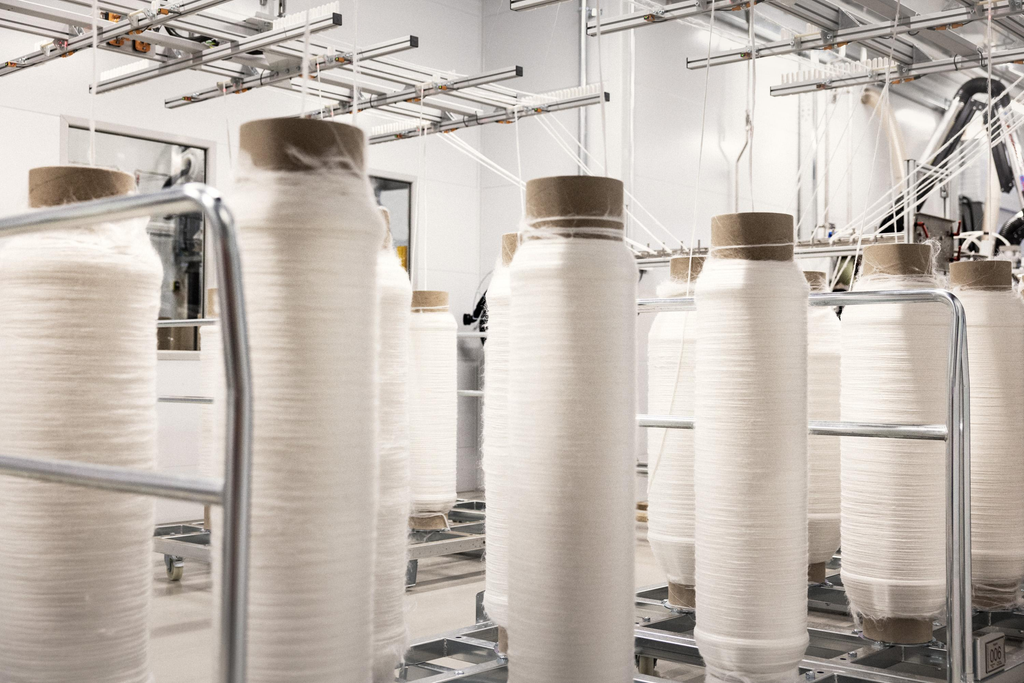
Finland has long been associated with forests, renewable materials, and strong manufacturing expertise. Today, Finnish manufacturers are taking the next step by looking at how fibers can support a more circular economy.
The challenge is not simply choosing a renewable material. Manufacturers need to understand how fibers are sourced, processed, used, recovered, and potentially returned to production. This is where specialist expertise can make a practical difference.
Why Fibers Matter in the Circular Economy
From textiles and nonwovens to packaging, filtration, and forest-based products, fibers are used across many Finnish industries.
A circular approach looks beyond the initial production stage. It considers:
- Where the raw material comes from
- How efficiently it can be processed
- How long the finished product lasts
- Whether materials can be reused or recycled
- What happens at the end of the product’s life
- How much energy and processing input is required
Making these decisions requires a combination of material knowledge and practical manufacturing experience.
Where a Fiber Consultant Can Add Value
A fiber consultant can help manufacturers evaluate materials and processes from a technical perspective.
For example, a company developing a new cellulose-based textile may need to compare different fiber types, understand processing requirements, and assess how the material behaves during dyeing, finishing, and use.
Instead of relying solely on trial and error, manufacturers can use fiber consultation to identify suitable materials and technical considerations earlier in the development process.
Supporting Better Material Selection
Circularity starts with material selection.
A renewable fiber does not automatically make a product circular. Its environmental and technical performance depends on factors such as sourcing, processing, durability, recyclability, and the infrastructure available for recovery.
Fiber consulting services can help manufacturers assess these factors before committing to a particular material or production route.
This can be particularly useful when comparing conventional fibers with recycled, regenerated, or bio-based alternatives.
The Growing Role of Cellulose
Cellulose is especially relevant to Finland because of the country’s established forest-based industries and expertise in bio-based materials.
However, converting cellulose into useful fiber products involves significant technical considerations.
Cellulose fiber consulting can support manufacturers exploring regenerated cellulose, cellulose-based textiles, nonwovens, packaging applications, and other emerging materials.
Consultants can help examine properties such as fiber structure, chemistry, solubility, processing behavior, and performance requirements.
Moving From Laboratory Ideas to Manufacturing
A material may perform well in a laboratory but behave differently at industrial scale.
Changes in processing conditions, equipment, fiber blends, moisture, temperature, and finishing can all influence the final product.
This is where fiber science consulting can complement an internal R&D team. Technical specialists can help connect material science with practical manufacturing requirements, making it easier to investigate performance issues and evaluate potential process improvements.
Supporting Circularity Without Disrupting Production
Manufacturers cannot pursue circularity at the expense of product quality or commercial viability.
A new fiber solution still needs to meet requirements for strength, durability, processing efficiency, appearance, cost, and customer expectations.
External expertise can therefore be useful when a manufacturer wants to explore more circular materials while continuing to meet existing production requirements.
A consultant can work alongside internal teams to identify opportunities rather than treating sustainability and manufacturing performance as separate objectives.
A Practical Approach for Finnish Manufacturers
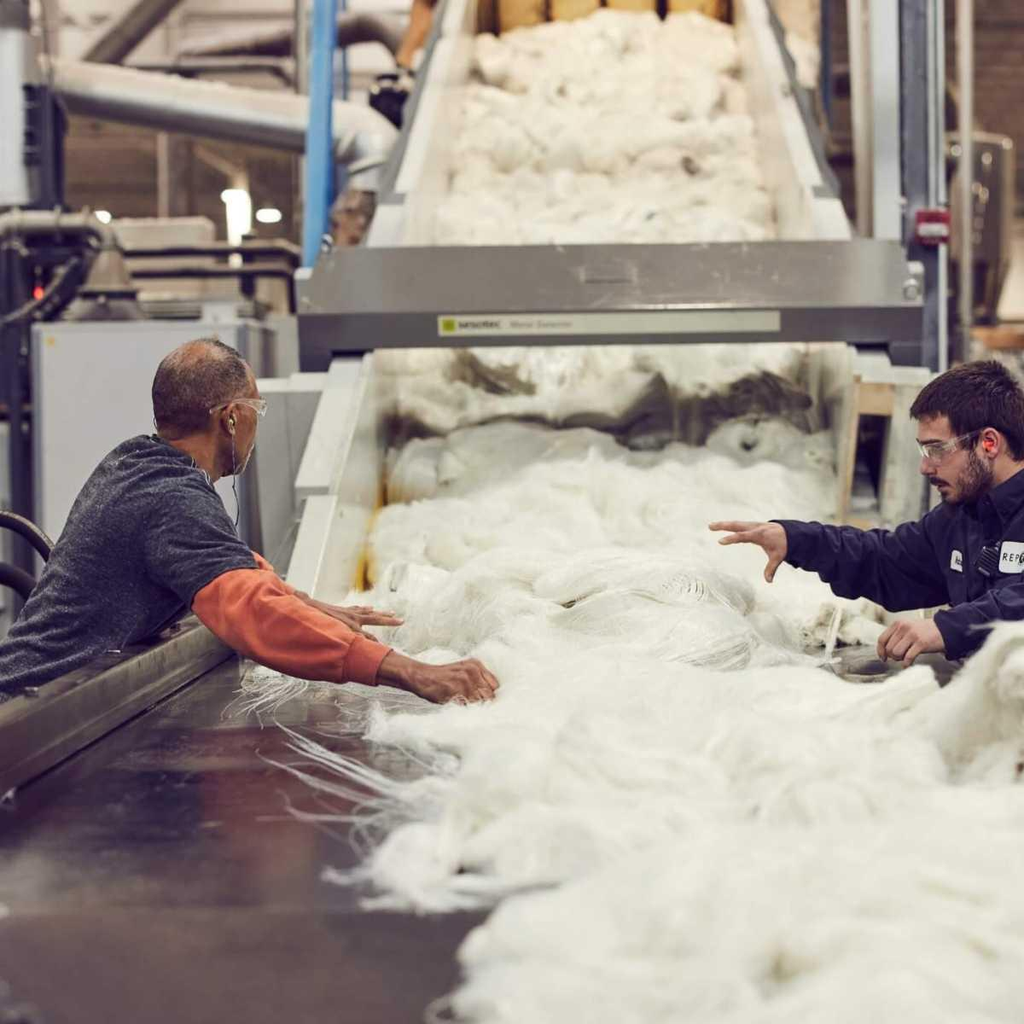
There is no single route to a circular fiber economy. Companies may start by reviewing their existing materials, identifying waste streams, evaluating recycled or bio-based alternatives, or investigating whether product design can support easier recovery.
Working with a specialist can provide an independent perspective during this process.
The goal is not simply to use more sustainable fibers. It is to understand the entire material lifecycle and identify where technical changes can create meaningful improvements.
Building a More Circular Fiber Industry
For Finnish manufacturers, circularity is becoming an important part of material and product development. Fiber expertise can help turn broad sustainability ambitions into practical technical decisions.
Whether the requirement involves material selection, cellulose development, process troubleshooting, or evaluating new fiber technologies, fiber consulting services can complement existing manufacturing and R&D capabilities.
With the right combination of internal knowledge and specialist fiber consultation, Finnish manufacturers can explore circular material solutions while keeping performance, scalability, and real-world manufacturing requirements in focus.
