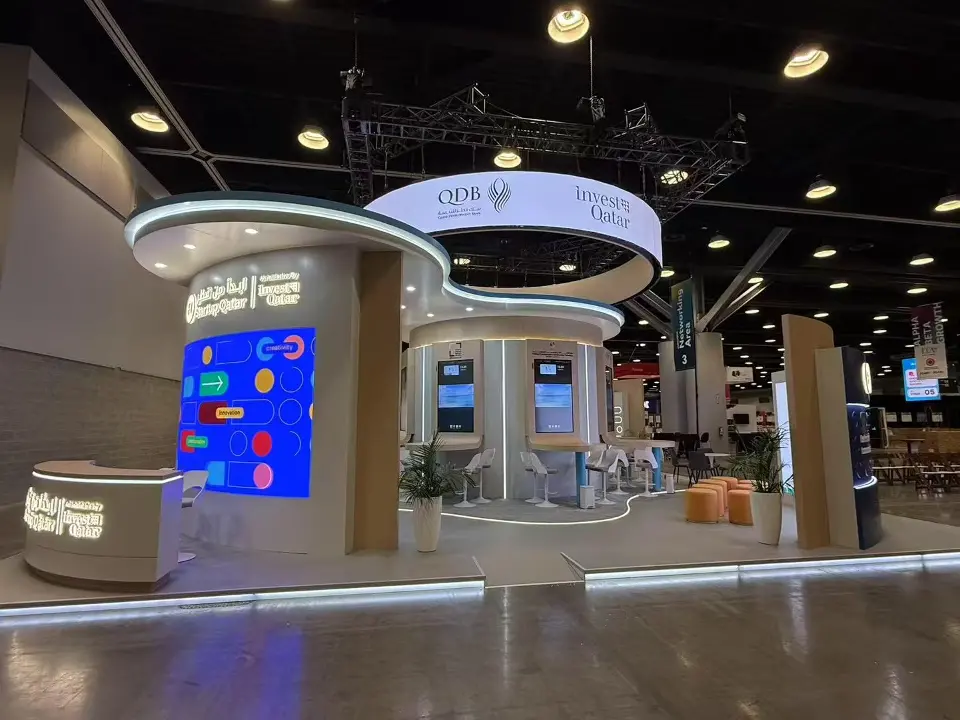
Your first trade show is usually the one with the least budget certainty attached to it. You don’t yet know if the show will deliver real leads, you’re justifying the spend internally without a track record to point to, and the instinct to keep costs low is completely reasonable. The good news: a cheap trade show booth and an ineffective one are not the same thing. Plenty of first-time exhibitors make a real impression without spending anywhere near what the biggest booths on the floor cost. Here’s how to do it deliberately.
Start by Separating “Cheap” From “Cheap-Looking”
The fear behind a tight budget usually isn’t the number itself, it’s the worry that a smaller spend will visibly read as a smaller company. That’s a fair concern, but it’s solvable. The booths that look cheap aren’t the ones with modest budgets; they’re the ones with no clear design decisions at all. A few genuinely well-chosen elements will always outperform a booth crowded with mismatched, budget-driven compromises.
Where to Actually Spend Your Limited Budget
With a small budget, every dollar needs to do real work. A few areas consistently deliver the most visible return:
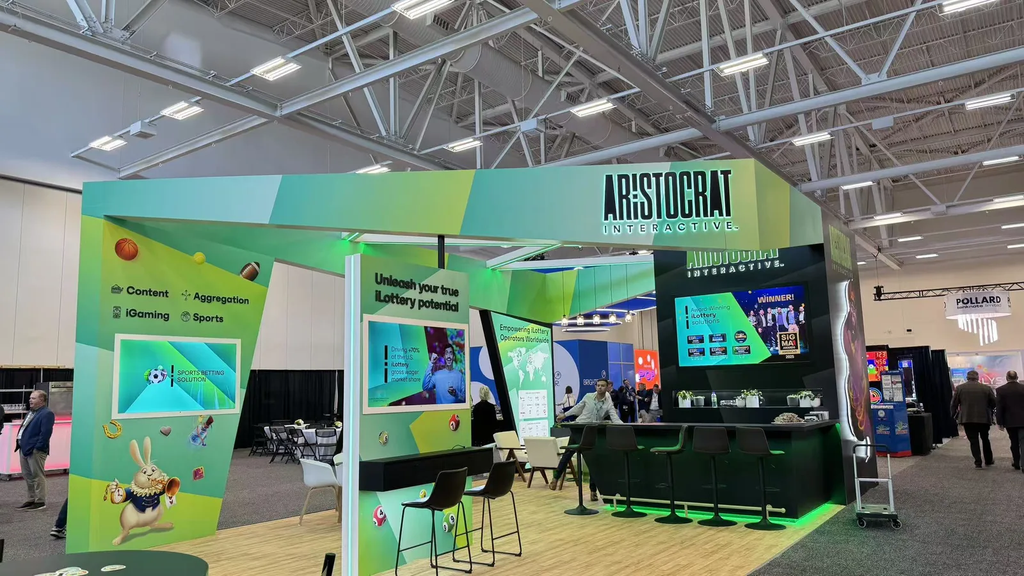
One strong visual anchor. Rather than spreading money across several small design touches, put it into a single element that reads clearly from a distance, a clean backlit sign, a bold color block, or one well-designed graphic panel. Attendees decide whether to approach a booth in seconds; one confident visual choice beats five timid ones.
Clear, benefit-driven messaging. This costs nothing beyond thoughtful copywriting, and it’s one of the highest-leverage things a first-time exhibitor can get right. A single sentence that tells a passing attendee exactly what you do and why it matters will outperform expensive design with vague branding every time.
Good lighting. Proper lighting is one of the most cost-effective upgrades available, and it makes even simple structures look considered and professional rather than thrown together.
Where to Cut Without Anyone Noticing
Just as important as knowing where to spend is knowing where cutting genuinely doesn’t hurt:
- Skip elaborate structural elements. A modest, well-finished modular setup reads as intentional; an ambitious structure built on too small a budget often reads as unfinished.
- Limit furniture to what you’ll actually use. A single small table and a couple of stools is plenty for most first shows, extra furniture just adds cost and visual clutter.
- Avoid excessive printed collateral. Large print runs of brochures often go straight in the trash. A simple QR code linking to a digital resource does the same job for a fraction of the cost.
Trade Show Booth Ideas for Small Budgets That Actually Work
A few specific approaches consistently perform well for first-time exhibitors working with limited funds:
Check the below points for trade show booth ideas for small budgets:
Rent instead of build. For a first show, renting a modular display is almost always the smarter financial decision. It avoids the upfront cost of a custom structure you don’t yet know you’ll reuse, and modern rental inventory looks far more polished than the word “rental” might suggest.
Choose a smaller footprint deliberately. A well-designed 10×10 space consistently outperforms a poorly planned larger one. Don’t stretch your budget thin trying to fill more square footage than you can furnish and staff well.
Invest in one interactive moment. It doesn’t need to be elaborate, a simple live demo, a hands-on sample, or a short, repeatable product walkthrough gives attendees a reason to stop that a static display alone can’t provide.
Use digital displays over printed graphics where possible. A single screen looping a short video or rotating key messages can replace multiple expensive printed panels, and it’s more flexible if your messaging needs to change.
Prioritize staff training over structure. A knowledgeable, engaging team member standing in front of a modest booth will out-convert an elaborate structure staffed by someone unprepared to have a real conversation. This costs nothing beyond preparation time, and it’s often the single most underrated lever for a first-time exhibitor.
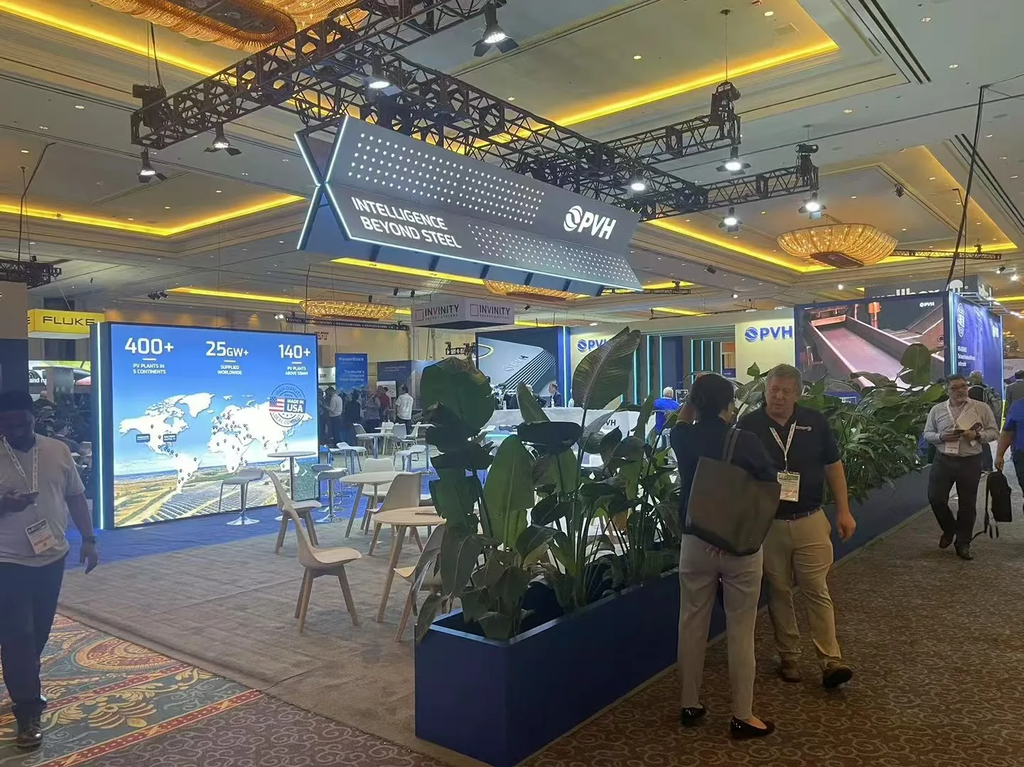
A Simple Budget Framework for Your First Show
If you’re building your first budget from scratch, a reasonable way to think about allocation:
- Booth structure (rental), the largest single line item, but still far less than custom construction
- Graphics and signage, one strong anchor piece plus clear messaging, not a dozen small elements
- Lighting, a modest but meaningful upgrade over standard venue lighting
- A small interactive element, whatever fits your product and budget
- Staff prep, not printed collateral, spend time here instead of money
The Bottom Line
A tight budget on your first show isn’t a disadvantage to apologize for, it’s a constraint that, handled well, actually forces sharper decisions than an unlimited one would. The exhibitors who leave a strong first impression on a small budget aren’t the ones who spent the most; they’re the ones who spent deliberately, on the few things that genuinely move the needle, and skipped everything else without hesitation. Get those choices right, and a modest first booth can still make a real impact on the floor.
