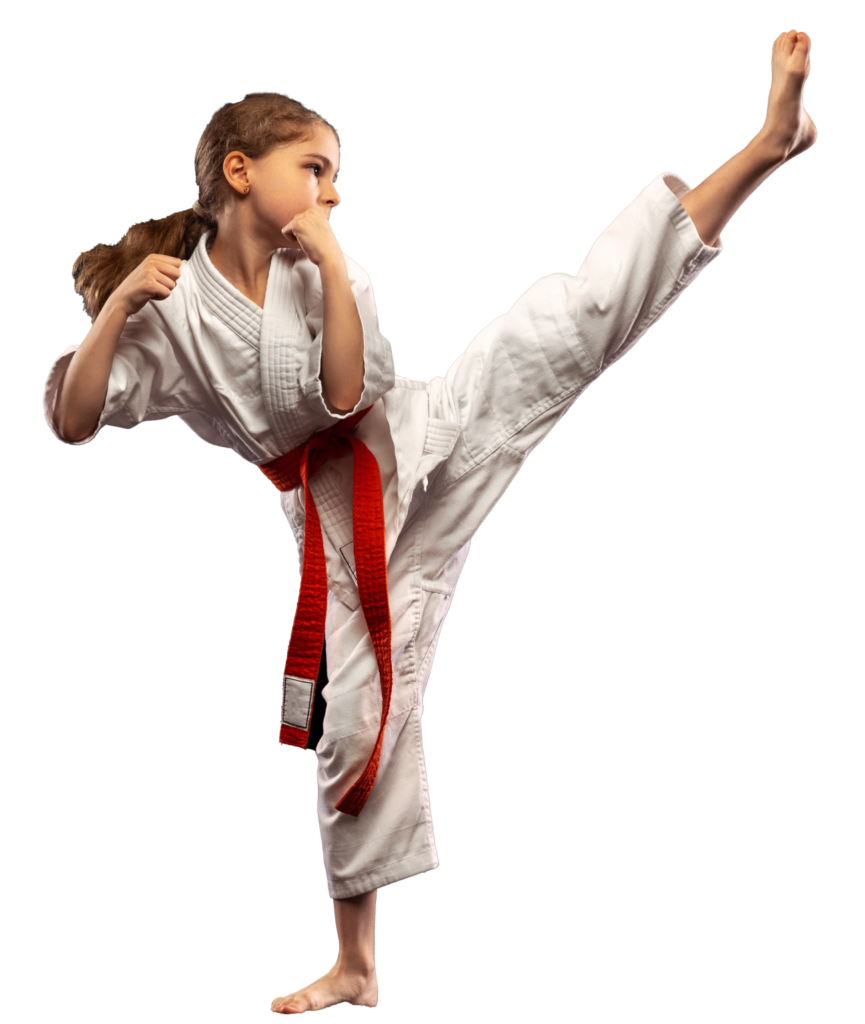
Stepping into a martial arts club for the first time can feel daunting. Walking past rows of students in crisp white uniforms, hearing sharp shouts, and seeing fast kicks might leave you wondering if you or your child truly belong there. The benefits of training are undeniable. It builds quiet confidence, teaches practical self-defence, improves balance, and instils life-long discipline. Choosing the right training space makes all the difference between a rewarding journey and an early dropout.
Before you buy your first uniform or sign up for a term, it pays to know what separates a good club from an average one. This practical checklist walks you through the essential factors to consider so you can make an informed choice with total confidence.
1. Clarify Your Training Goals
Different martial arts disciplines emphasise distinct skill sets. Before committing to a club, determine what you want out of the experience.
Some people want Olympic-style combat sport, which focuses heavily on competitive sparring, agility, and quick footwork. Others seek traditional self-defence, poomsae (forms), and character development. If you are enrolling a young child, your primary goal might simply be improving attention span, coordination, and physical fitness in an encouraging setting.
For striking and kicking, Korean martial arts such as Taekwondo offer an exceptional foundation. The training blends fast, dynamic kicking techniques with structured forms and core fitness. Knowing your goals early will help you choose a club whose teaching philosophy aligns with what you want to achieve.
2. Check Coach Credentials and Safety Accreditations
The quality of any martial arts program comes down to the person leading the class. A passionate, qualified coach can inspire a student for years, while poor instruction can lead to preventable injuries or burnout.
When researching clubs, look closely at coaching credentials:
- Official Affiliations: In Australia, look for clubs aligned with recognised governing bodies such as Australian Taekwondo or World Taekwondo. Legitimate affiliations mean the instructors follow standardised syllabus requirements, regulated belt grading systems, and national safety protocols.
- Child Safety Clearance: In Queensland, every instructor and assistant working with minors must hold a valid Blue Card. Never hesitate to ask about working with children checks.
- First Aid Qualifications: Instructors must hold current senior first aid and CPR certifications. Martial arts involves close contact and vigorous movement, making immediate medical readiness essential.
- Teaching Experience: Being an accomplished competitor does not automatically make someone a great teacher. Ask how long the head instructor has been teaching children and beginners.
3. Prioritise Location, Commute, and Schedule
Consistency is the single most important factor in martial arts progression. A world-class training centre is useless if getting there after school or work becomes an exhausting chore.
Think about your daily routine. Is the dojang (training hall) close to your home, workplace, or your child’s school? Will peak hour traffic turn a twenty-minute drive into an hour-long headache twice a week?
For families living in South East Queensland, regional accessibility is key. Parents frequently evaluate local timetables and dojang environments across different neighbourhoods by checking Taekwondo Classes by Brisbane Suburb to find reliable programs within easy reach of their regular commute. Choosing a club close to home ensures training remains sustainable across busy school terms and working weeks.
Take a good look at the weekly timetable as well. Quality clubs separate their classes by age and skill level rather than tossing five-year-olds and teenagers into the same crowded session. Look for clubs that offer dedicated beginner classes so new students can learn basic stances and punches without feeling overwhelmed.
4. Inspect the Dojang Environment and Equipment
You can learn a great deal about a club simply by walking through the door and taking in the surroundings. You do not need a luxury gym, but you should expect clean, well-maintained facilities.
- Flooring: Safe dojangs feature shock-absorbing tatami jigsaw mats or permanent sub-flooring designed to protect joints during jumps and landings. Bare concrete or thin carpet is unacceptable for high-impact kicking.
- Gear Condition: Check whether kicking shields, focus pads, and protective chest guards are clean, functional, and in good repair.
- Hygiene Standards: High-traffic workout areas require thorough cleaning. The mats should be disinfected regularly, and changing rooms or restrooms should be spotless.
- Class Atmosphere: Watch how the instructors interact with students. Is the room calm, orderly, and respectful? Do the coaches offer constructive feedback with patience, or do they rely on harsh criticism? A positive training culture is visible the moment you step through the door.
5. Review Costs and Membership Terms Upfront
Reputable clubs operate with clear, transparent pricing. Avoid programs that pressure you into long lock-in contracts on your very first visit.
Ask the club administrator for a clear breakdown of the following expenses:
- Tuition Fees: Find out if fees are paid per term, monthly, or on a direct debit basis, and clarify the policy for missed classes or school holidays.
- Uniforms and Protective Equipment: Ask whether the initial registration includes a uniform (dobok) and belt, and find out when you will need to purchase personal sparring gear like shin guards and headgear.
- Grading Fees: Moving up to the next belt rank usually involves an assessment fee to cover the examiner, venue, new belt, and certificate. Legitimate clubs outline these costs well in advance.
6. Book a Trial Class Before Deciding
Never enrol based on an online profile alone. Almost all respectable martial arts centres offer a free or low-cost trial session so you can experience the class firsthand.
During the trial, pay attention to the little things:
- Did the instructor welcome you or your child warmly before the class began?
- Were safety rules and proper warm-up routines followed before kicking drills started?
- Did the instructors correct basic techniques patiently, or were beginners left to figure things out on their own?
- Did the other students show courtesy, good sportsmanship, and support toward one another?
A great trial class should leave a beginner feeling challenged, safe, and excited to return for the next lesson.
Frequently Asked Questions
Children can begin introductory martial arts programs around four or five years of age. At this stage, classes focus on balance, motor skills, basic listening habits, and fun movement games. Structured technical training generally begins around six or seven years old.
Two sessions per week is ideal for beginners. This frequency allows the body to build muscle memory and retain technical instruction without causing physical fatigue or interfering with school and family life.
No. Martial arts training is designed to build fitness and flexibility gradually. Instructors adapt movements to your current physical capabilities, allowing your stamina, joint mobility, and core strength to develop naturally over time.
For a trial class, wear comfortable athletic clothing such as a t-shirt and track pants or training shorts. Avoid clothing with loose zips, buttons, or metal studs. Training takes place barefoot on the mats, and you should bring a water bottle.
Under accredited training programs, earning a black belt typically takes between three to five years of consistent training and regular attendance. Belt progression should reflect genuine technical competence and personal discipline rather than rushed attendance marks.
Finding the right martial arts club is an investment in your fitness, safety, and personal confidence. By confirming coach credentials, visiting the facility in person, and choosing a convenient location that fits your everyday routine, you set the foundation for a rewarding journey on the mats.
