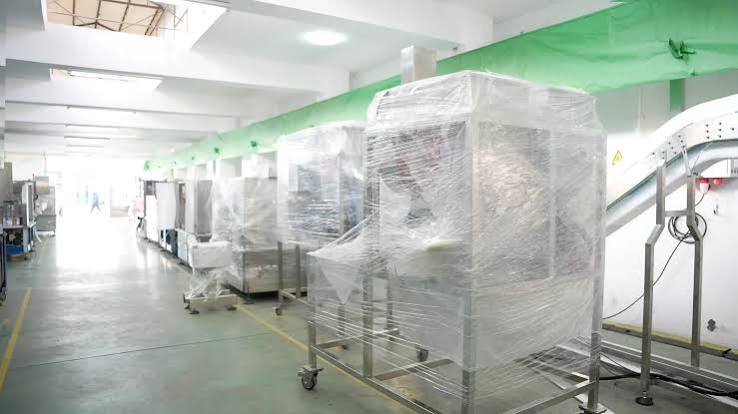
Industrial packaging operations rely on equipment that performs consistently through repetitive cycles, heavy pallet movement, and demanding production schedules. Even a minor component failure can interrupt shipping workflows and create expensive downtime across an entire facility. Maintenance teams often focus on identifying compatible replacement components before problems become larger mechanical issues. Understanding how Highlight Industries equipment is designed and maintained helps technicians plan inspections more effectively, reduce unexpected stoppages, and support smoother packaging operations in warehouses, manufacturing plants, and distribution centers where reliable performance is essential every day.
The Role of Stretch Wrapping Equipment in Modern Facilities
Stretch wrapping equipment plays a critical role in protecting products during storage and transportation. By securing palletized loads with consistent film tension, these machines help reduce shifting, damage, and handling risks throughout the shipping process. Most systems combine rotating turntables, film carriages, drive assemblies, and electronic controls that regulate wrapping speed and tension. Because these machines often operate continuously across multiple shifts, their components experience repeated mechanical stress that gradually contributes to wear. Understanding how these systems function allows maintenance personnel to recognize performance changes early and schedule servicing before production efficiency is affected.
Common Wear Points in Packaging Machinery
Every industrial machine contains components that naturally wear faster than others due to constant motion and friction. Rollers, bearings, belts, and film delivery mechanisms frequently require closer inspection because they experience continuous contact during operation. Drive motors, chains, and rotating assemblies can also develop alignment or lubrication issues over time, while electrical components such as sensors, switches, and control boards may become less reliable in dusty or humid environments. Identifying these high-wear areas during routine inspections allows technicians to replace individual components before they cause larger failures that could stop an entire packaging line unexpectedly.
Sourcing the Right Components for Your Equipment
Finding the correct replacement component requires more than matching a part’s appearance. Equipment configurations often differ between model generations, production years, and optional machine features, making accurate identification essential before ordering replacements. Verifying serial numbers, reviewing technical documentation, and comparing specifications can prevent costly compatibility mistakes that delay repairs. For facilities maintaining Highlight Industries equipment, organized parts documentation and technical support resources can simplify the replacement process by helping technicians locate components that match the exact machine configuration rather than relying on visual similarities alone.
Building a Practical Maintenance Routine
A structured preventive maintenance program helps facilities avoid emergency repairs while extending equipment lifespan. Regular inspections should include checking belt tension, examining rollers for smooth rotation, monitoring bearings for excessive play, and confirming that electrical connections remain secure. Cleaning debris from moving assemblies also reduces unnecessary strain on mechanical components during daily operation. Recording replacement dates and service observations creates valuable maintenance histories that help identify recurring wear patterns. When maintenance teams understand which components typically require attention first, they can stock essential replacement parts and complete repairs more efficiently before small issues become significant operational disruptions.
Why Component Knowledge Matters Long-Term
Understanding parts of a machine gives technicians a practical advantage when diagnosing packaging equipment problems. Instead of replacing complete assemblies unnecessarily, experienced maintenance teams can isolate individual components responsible for performance issues, reducing repair costs and shortening downtime. This level of familiarity becomes especially valuable in facilities operating multiple equipment models, where seemingly similar components may have important functional differences. Developing technical knowledge about individual machine systems also supports better troubleshooting decisions, improves maintenance accuracy, and helps prevent ordering errors that can delay critical repairs when production schedules are already under pressure. Familiarity with Highlight Industries’ equipment contributes to more confident maintenance planning and better long-term equipment reliability.
Conclusion
Reliable packaging operations depend on equipment and parts of a machine that receive consistent maintenance and accurate replacement components throughout its service life. Stretch wrapping systems perform demanding work every day, making preventive inspections, careful part identification, and organized maintenance records essential for avoiding unnecessary production interruptions. Facilities that prioritize routine servicing can reduce unexpected failures, extend equipment lifespan, and maintain smoother packaging workflows even in high-volume environments. Developing strong maintenance practices ultimately supports safer operations, improved productivity, and more dependable equipment performance across industrial packaging facilities.
