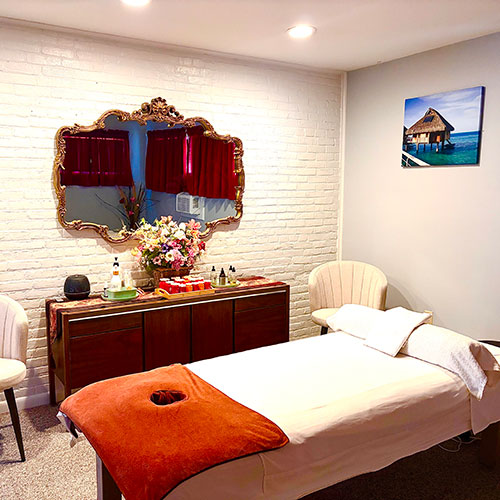
Modern lifestyles can make it difficult to find enough time for relaxation and personal care. Acupressure massage therapy offers a pressure-based approach that can be incorporated into a regular wellness routine. By applying controlled pressure to selected areas of the body, acupressure massages can provide a calming and relaxing experience while encouraging greater awareness of muscle tension and overall body comfort.
What Are Acupressure Massages?
Acupressure massages combine massage techniques with pressure applied to specific points on the body. The practitioner may use their fingers, thumbs, palms, or other appropriate techniques to apply controlled pressure according to the treatment approach.
Traditional acupressure is associated with Asian wellness practices and focuses on specific pressure points. Massage, meanwhile, commonly uses broader movements such as kneading, gliding, and gentle pressure across muscles and soft tissues.
When these approaches are combined, the session can provide both targeted and general relaxation. The pressure can also be adjusted according to an individual’s comfort level, making communication with the practitioner an important part of the experience.
Acupressure should be considered a complementary wellness practice and not a replacement for medical diagnosis or treatment.
Potential Benefits of Acupressure Massage
People choose acupressure massages for different wellness reasons. Some may simply want time to relax, while others prefer targeted pressure techniques as part of their regular self-care routine.
Potential benefits may include:
- Encouraging relaxation
- Supporting a calm state of mind
- Promoting body awareness
- Helping relieve everyday muscle tension temporarily
- Complementing other massage techniques
- Providing dedicated time for personal wellness
- Supporting a relaxing bedtime or self-care routine
Individual experiences vary. The results of a massage can depend on the techniques used, pressure level, treatment duration, and personal preferences.
Massage Acupressure: How the Techniques Work Together
Massage acupressure brings together broader massage movements and more focused pressure-point techniques. Instead of using only one approach, a practitioner may incorporate different methods during a session depending on the client’s preferences.
For example, a session may begin with gentle massage movements to encourage relaxation before moving toward more focused pressure work. The practitioner can then return to broader massage techniques to create a balanced experience.
This approach may be particularly appealing to people who enjoy both general body massage and targeted pressure techniques.
The pressure should remain within a comfortable range. If a particular point feels too sensitive or painful, clients should tell the practitioner so the technique can be adjusted.
Professional Massage Therapy for Personalized Wellness
Professional massage therapy can provide a more personalized experience because a trained practitioner can discuss your preferences before beginning the session. This conversation may cover the areas you want addressed, preferred pressure level, treatment duration, and any areas that should be avoided.
Depending on the provider, professional massage therapy may include relaxation massage, therapeutic massage, pressure-point techniques, full-body massage, or a combination of methods.
A professional session should prioritize:
- Client comfort and communication
- Appropriate pressure
- Proper hygiene
- Respect for personal boundaries
- A suitable treatment environment
- Clear information about the techniques being used
If you are new to acupressure or massage, asking questions before the session can help you understand what to expect.
Acupressure Full Body Massage for Complete Relaxation
An acupressure full body massage applies pressure-based techniques across multiple areas of the body rather than concentrating exclusively on one location. Depending on the practitioner’s approach, areas such as the back, shoulders, arms, hands, legs, feet, and neck may receive attention.
A full-body session can be useful for people who want to incorporate relaxation into their overall wellness routine. Instead of focusing only on a specific area after a busy day, the session provides an opportunity to slow down and give attention to the body as a whole.
Before beginning, discuss the areas you would like the practitioner to focus on. You can also communicate whether you prefer light, medium, or firmer pressure.
Acupressure and Traditional Pressure Points
Acupressure traditionally involves applying pressure to particular points that are believed within traditional practices to influence the body’s flow of energy. Modern wellness settings may incorporate these techniques alongside massage for relaxation and body awareness.
Pressure points may be addressed using the fingers or thumbs with controlled, steady pressure. The practitioner may also use circular movements or short periods of sustained pressure.
The exact techniques used can vary between practitioners. Therefore, it is useful to ask what type of acupressure approach they provide before booking an appointment.
What to Expect During an Acupressure Session
A typical session may begin with a short consultation. The practitioner can ask about your preferred pressure, areas of focus, and general wellness goals.
During the treatment, you may experience a combination of:
- Gentle massage strokes
- Kneading movements
- Sustained pressure
- Targeted pressure-point work
- Relaxation techniques
- Broad massage movements
Your comfort should remain a priority throughout the session. Pressure does not need to be painful to be effective as a relaxation technique.
If you feel uncomfortable, experience excessive pressure, or want the practitioner to avoid a specific area, communicate this immediately.
How to Prepare for Acupressure Massage
A few simple steps can make your appointment more comfortable.
Before your session:
- Avoid having a very heavy meal immediately beforehand.
- Drink an appropriate amount of water.
- Wear comfortable clothing when appropriate for the treatment.
- Arrive with enough time to settle in.
- Discuss your pressure preference.
- Tell the practitioner about sensitive areas.
- Ask questions if you are unfamiliar with the technique.
It can also be helpful to avoid scheduling a demanding activity immediately after a relaxing session if you prefer to maintain a calm transition afterward.
How Often Should You Have Acupressure Massages?
There is no single schedule that is appropriate for everyone. Some people may choose occasional sessions when they need time to relax, while others may include massage more regularly as part of their wellness routine.
Your preferred frequency may depend on your lifestyle, physical activity, personal comfort, and the type of massage you receive.
Rather than assuming that more frequent treatments are always better, pay attention to how your body responds and discuss an appropriate schedule with your practitioner.
Choosing a Suitable Acupressure Practitioner
Choosing the right practitioner can make a significant difference to your overall experience. Look for someone who clearly explains their services and uses appropriate hygiene and professional practices.
Before booking, consider asking about:
- Training and experience
- Types of acupressure offered
- Massage techniques used
- Session length
- Pressure options
- Areas covered during full-body treatments
- Any situations where treatment may not be recommended
A trustworthy practitioner should also be comfortable discussing your preferences and adjusting the session when necessary.
Make Acupressure Part of Your Wellness Routine
Acupressure massages can provide a relaxing way to incorporate pressure-based bodywork into a broader self-care routine. Whether you prefer massage acupressure, professional massage therapy, or an acupressure full body massage, choosing a qualified practitioner and communicating your comfort level can help create a positive experience.
Acupressure is best viewed as a complementary wellness practice rather than a substitute for professional medical care. If you have a medical condition, are pregnant, have recently had surgery, or have another health concern, consider speaking with an appropriate healthcare professional before receiving massage or acupressure.
With the right technique, comfortable pressure, and a personalized approach, acupressure massage can become a valuable part of a balanced relaxation and wellness routine.
