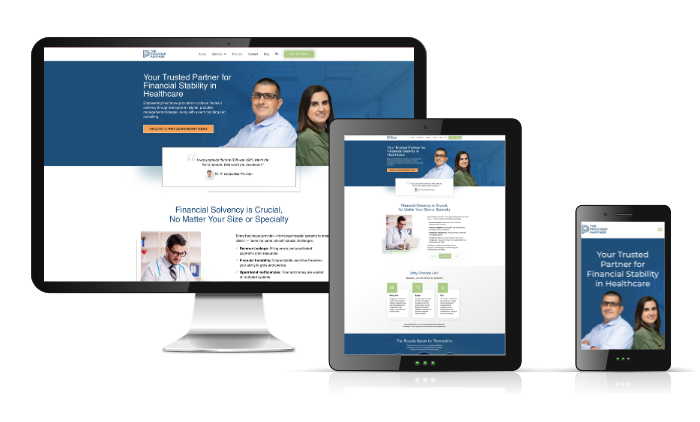
Patients increasingly use digital channels to research healthcare providers, understand medical services, compare practices, and find answers to health-related questions. This makes a strong online presence an important part of how modern medical practices communicate with prospective and existing patients.
Digital marketing for medical practices involves more than advertising a clinic online. It can include website optimization, search visibility, educational content, reputation management, email communication, paid advertising, and social platforms. A successful strategy should prioritize accurate information, patient needs, privacy, accessibility, and measurable outcomes rather than focusing exclusively on traffic or promotional messages.
Why Is Digital Marketing Important for Medical Practices?
The way patients discover healthcare providers has changed significantly. Before contacting a practice, people may search for physicians by specialty, location, treatment, or specific health concerns. They may also review a practice website, examine online reviews, and look for information about services and appointment procedures.
A well-structured digital presence makes this information easier to find and understand.
The goal of digital marketing for medical practices should therefore be to create a reliable digital pathway between patients and useful healthcare information. A practice website can serve as the central resource, while search engines, social platforms, online directories, and email can help people discover and engage with that information.
What Should a Medical Practice Website Include?
A practice website is often the foundation of a digital marketing strategy. Visitors should be able to find essential information without navigating through complicated menus.
Important website sections can include:
- Medical services
- Physician biographies
- Practice location
- Office hours
- Contact information
- Appointment procedures
- information
- Patient resources
- Frequently asked questions
- Accessibility information
Pages should also work effectively on mobile devices because many patients access healthcare information through smartphones.
Website content should be written in clear language and organized according to the questions patients are most likely to ask. Technical optimization also matters because search engines need to crawl and understand website content effectively.
How Does Search Optimization Support Healthcare Marketing?
Search engine optimization helps healthcare websites become easier for search engines to discover, understand, and index.
Medical practices can optimize pages around relevant services, specialties, locations, and educational topics. Instead of repeatedly inserting keywords, practices should create comprehensive pages that genuinely answer common patient questions.
For example, a practice specializing in orthopedic care could develop educational resources explaining common injuries, treatment approaches, preparation for appointments, and general recovery considerations.
Search optimization should complement the quality of the information rather than replace it. Healthcare content should be accurate, current, and appropriately reviewed.
What Role Does Educational Content Play?
Educational content can help practices answer questions before a patient schedules an appointment.
Useful content may include:
- Frequently asked healthcare questions
- Condition overviews
- Treatment explanations
- Procedure preparation guides
- Post-treatment information
- Preventive health resources
- Specialty-specific articles
Educational content should not imply that general information is a substitute for personalized medical advice.
The purpose is to help readers understand healthcare topics and determine when professional evaluation may be appropriate.
This approach can also establish a clearer relationship between the practice’s expertise and the services people are researching.
How Can Social Platforms Support Patient Communication?
Social platforms can help medical practices distribute educational information and communicate general updates. Posts might cover preventive health topics, seasonal reminders, general wellness information, office announcements, or explanations of commonly misunderstood healthcare concepts.
The content should remain informative and responsible.
Practices should avoid discussing identifiable patient situations publicly unless they have obtained appropriate authorization and have followed applicable privacy requirements. Even seemingly harmless details can reveal information about an individual when combined with other publicly available information.
Healthcare organizations should establish internal policies defining who can publish content, how comments are handled, and what information employees may share.
What Is Social Media Marketing for Medical Practices?
social media marketing for medical practices involves using social platforms to distribute relevant content, communicate with audiences, build awareness, and provide general educational resources.
A practical social strategy can include several content categories:
- Educational posts
- General health awareness information
- Practice announcements
- Staff and facility introductions
- Frequently asked questions
- Preventive-care reminders
- Links to longer educational resources
Consistency is generally more useful than publishing large quantities of content for short periods.
The tone should also remain professional and understandable. Healthcare communication requires particular care because readers may interpret general statements as personalized medical advice.
How Important Is Patient Privacy?
Privacy is one of the most important considerations in healthcare marketing.
Federal privacy rules place restrictions on how protected health information can be used and disclosed for marketing. In many circumstances, authorization is required before protected health information can be used or disclosed for marketing communications. There are specific exceptions, including certain communications about a covered entity’s own health-related services.
Practices should therefore avoid using patient information casually in advertisements, testimonials, social posts, email campaigns, or other public-facing materials.
Reasonable safeguards should also be applied to digital systems that collect or process sensitive information. Privacy policies, employee training, access controls, and appropriate vendor agreements can all form part of a broader compliance program.
How Can Online Reviews Affect a Practice?
Reviews can influence how prospective patients evaluate a healthcare provider. People may examine ratings and written feedback before deciding whether to contact a practice.
Practices can monitor reviews and respond professionally, but responses should never reveal confidential patient information.
A response can acknowledge feedback in general terms without confirming that the reviewer is or was a patient. Internal policies can help staff understand when and how public responses should be handled.
Reputation management should also involve improving the underlying patient experience rather than simply attempting to increase the number of positive reviews.
Should Medical Practices Use Paid Advertising?
Paid search and social advertising can supplement organic visibility. They may be useful when a practice launches a new service, enters a new market, or wants to increase awareness of a specific area of care.
Advertising should use accurate claims and avoid guaranteeing medical outcomes.
Campaigns should also be measured carefully. Useful metrics may include website visits, qualified inquiries, appointment requests, phone calls, and conversions rather than impressions alone.
A campaign that generates thousands of clicks but few relevant inquiries may be less effective than a smaller campaign attracting people who genuinely need the practice’s services.
How Should Marketing Performance Be Measured?
Effective digital marketing for medical practices should have clearly defined objectives.
Depending on the practice, useful performance indicators can include:
- Organic search visibility
- Website engagement
- Appointment inquiries
- Phone calls
- Form submissions
- Content engagement
- Review trends
- Conversion rates
- Cost per qualified lead
Measurement should be connected to business and patient-access goals. Tracking large amounts of data without identifying what the numbers mean can make marketing decisions more difficult.
Conclusion
A strong digital marketing for medical practices strategy should combine useful content, search visibility, an accessible website, reputation management, appropriate social communication, and measurable campaigns. The objective should be to make reliable information easier for patients to discover while maintaining professional and ethical standards. Practices should also treat privacy as a fundamental part of their digital strategy. Social media marketing for medical practices can support education and communication when content is carefully planned, patient information is protected, and public interactions are handled responsibly. Ultimately, effective healthcare marketing is not simply about attracting more online attention. It is about creating a trustworthy digital experience that helps people find relevant information, understand available services, and take appropriate next steps.
