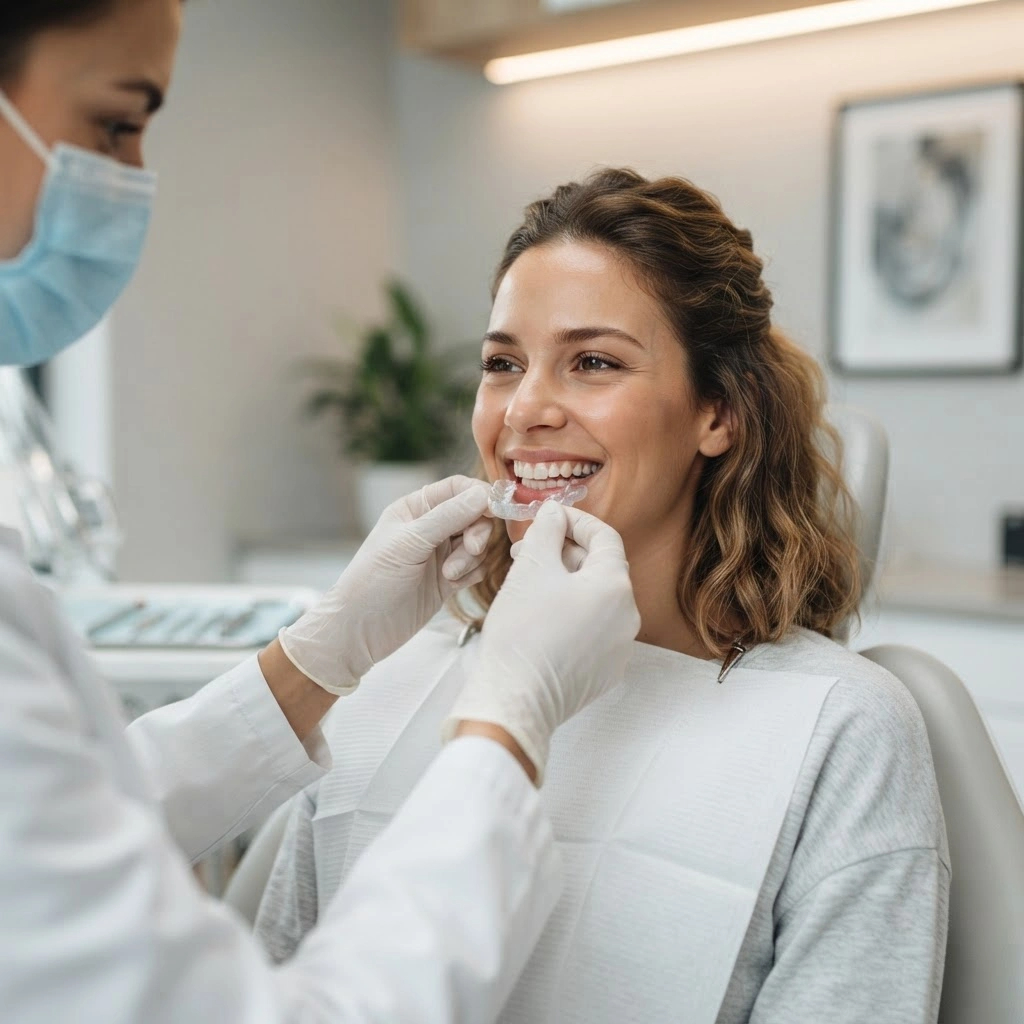
A bright smile can make you feel more confident and comfortable when you meet people, attend events, or take photos. Over time, however, teeth can lose their natural brightness because of foods, drinks, ageing, smoking, and everyday habits. This is why many people consider Cosmetic Teeth Whitening when they want to improve the appearance of stained or discoloured teeth.
One common question is how long the results will last. The answer can vary from person to person. Your diet, oral hygiene routine, type of whitening treatment, and lifestyle habits can all affect how long your smile stays bright.
Understanding what influences whitening results can help you make better choices and maintain your smile for longer.
What Is Cosmetic Teeth Whitening?
Cosmetic Teeth Whitening is a treatment designed to improve the colour and appearance of natural teeth. It works by helping reduce certain types of stains and discolouration on the teeth.
Professional whitening treatments may use whitening products containing peroxide-based ingredients. These products can break down some of the compounds responsible for tooth stains, helping teeth appear lighter.
The results can differ depending on the original shade of the teeth, the type of stains present, and the whitening method used. It is important to have realistic expectations because whitening does not necessarily make every tooth the same shade or remove every type of discolouration.
How Long Do Whitening Results Usually Last?
The length of time that whitening results remain noticeable varies between individuals. Many people can enjoy a brighter smile for several months, while others may maintain their results for longer with good habits and appropriate maintenance.
Whitening is not a permanent treatment because teeth naturally come into contact with foods, drinks, and other substances that can cause new stains. As time passes, the teeth may gradually return towards their previous shade.
This does not mean that the whitening treatment has failed. It simply means that maintaining a bright smile requires regular oral care and sensible lifestyle choices.
What Can Affect Whitening Results?
Several everyday factors can influence how quickly teeth become stained again. Understanding these factors can help you protect your results.
Food and drinks are among the most common causes of new stains. Coffee, tea, red wine, cola, and strongly coloured foods may contribute to surface staining over time.
Smoking and tobacco use can also cause noticeable staining. Reducing or avoiding these habits can help protect the appearance of your teeth.
Age is another factor. Teeth naturally change as people get older, and the inner structure of a tooth can become more visible. This can make teeth appear less bright even when you maintain good oral hygiene.
Your normal oral care routine also matters. Regular brushing, flossing, and professional dental care can help reduce the build-up of plaque and surface stains.
Does Diet Affect How Long Whitening Lasts?
Yes, your diet can have an effect on how long your teeth remain bright. Foods and drinks with strong colours can leave pigments on the tooth surface.
Coffee and tea are common examples. If you regularly consume these drinks, you may notice staining sooner than someone who rarely drinks them.
You do not necessarily need to remove these foods and drinks completely from your diet. Instead, moderation and good oral care can help. Drinking water after strongly coloured drinks can help rinse away some residue.
Maintaining a balanced diet and following your dental professional’s advice can also support overall oral health.
How Can You Maintain a Whiter Smile?
Maintaining your results does not have to be complicated. Simple daily habits can make a difference.
Brush your teeth regularly using a fluoride toothpaste and clean between your teeth as recommended by your dental professional. This helps remove plaque and food particles that can contribute to a less clean-looking smile.
Drinking water throughout the day can also help wash away food and drink residue. If you consume staining drinks, rinsing your mouth with water afterwards can be a useful habit.
Regular dental check-ups and professional cleaning can also help manage plaque and surface stains. Your dentist can advise you on the most suitable maintenance approach based on your teeth and oral health.
Should You Have Whitening Touch-Ups?
Some people may choose a whitening touch-up when their teeth begin to look darker again. However, touch-ups should not be performed too frequently or without appropriate guidance.
The right maintenance schedule depends on the whitening treatment, your oral health, and how quickly your teeth become stained again. A dental professional can help determine whether another treatment is suitable.
Using whitening products more often than recommended does not necessarily produce better results. Excessive or inappropriate use may increase the chance of tooth sensitivity or gum irritation.
It is therefore better to focus on safe and controlled maintenance rather than trying to keep teeth extremely white at all times.
Professional Whitening vs At-Home Whitening
There are different ways to whiten teeth. Professional treatments are carried out or recommended by dental professionals, while some at-home options are designed for personal use.
Professional whitening can provide a more controlled approach because a dental professional can assess your teeth before treatment. They can also discuss factors such as existing dental work, sensitivity, and the type of staining you have.
At-home products can vary considerably in their ingredients, strength, instructions, and expected results. If you are considering an at-home product, it is sensible to follow the instructions carefully and seek professional advice when you are unsure.
For people researching Teeth Whitening Sydney, comparing available treatment options and asking a qualified dental professional about suitability can help you make an informed decision.
Can Whitening Remove Every Type of Stain?
No. Whitening treatments are generally more effective on some types of natural tooth discolouration than others.
Surface stains caused by foods and drinks may respond well to appropriate whitening treatment. However, some deeper or internal forms of discolouration may be more difficult to change.
Dental restorations such as crowns, veneers, fillings, and some other materials also do not whiten in the same way as natural tooth enamel. This is important to consider if you have visible dental work.
A dental professional can assess the cause of your tooth discolouration and explain what type of improvement may be realistic.
Why Dental Assessment Matters Before Whitening
Before undergoing whitening, it is important to consider the condition of your teeth and gums. Existing dental problems may need attention before cosmetic treatment.
A dental assessment can help identify issues such as tooth decay, gum problems, damaged teeth, or significant sensitivity. Treating these concerns first can make the whitening process more appropriate and comfortable.
A professional can also explain what results you can reasonably expect based on your current tooth colour and dental history.
What About Tooth Sensitivity?
Some people experience temporary tooth sensitivity after whitening. The level of sensitivity can vary depending on the person and the whitening method.
Sensitivity may be more noticeable when consuming very hot or cold foods and drinks. If you already have sensitive teeth, it is particularly important to discuss this with a dental professional before whitening.
Following the recommended treatment instructions and avoiding unnecessary or excessive whitening can help reduce potential problems.
If sensitivity is severe, persistent, or concerning, seek advice from a dental professional rather than continuing whitening on your own.
How Lifestyle Habits Influence Your Smile
Your everyday habits can have a major influence on how your smile looks after whitening.
Regular smoking or tobacco use can contribute to staining. Frequent consumption of highly coloured drinks can also make stains more noticeable.
On the other hand, good oral hygiene, regular dental visits, drinking water, and sensible food and drink choices can help maintain a cleaner-looking smile.
The goal is not to avoid every food or drink that could cause staining. Instead, small and consistent habits can help you maintain your results naturally.
How to Get the Most From Your Whitening Treatment
The best approach is to follow the instructions provided by your dental professional. Avoid experimenting with multiple whitening products at the same time or using products more frequently than recommended.
Keep up with your normal brushing and flossing routine. Pay attention to foods and drinks that commonly cause staining, and consider rinsing with water after consuming them.
If your teeth begin to look darker after some time, speak with your dental professional before deciding on another whitening treatment. They can determine whether a touch-up is appropriate and recommend a safe approach.
Final Thoughts
A whiter smile after Cosmetic Teeth Whitening can last for months, but the exact duration differs from one person to another. Diet, oral hygiene, lifestyle habits, age, and the type of whitening treatment can all influence how long the results remain noticeable.
Maintaining good oral hygiene, limiting habits that contribute to staining, drinking water regularly, and following professional advice can help you enjoy your brighter smile for longer. Whitening should also be approached as a cosmetic treatment rather than a replacement for regular dental care.
If you are considering whitening, a professional dental assessment can help you understand which option may be suitable for your teeth and what type of result you can realistically expect.
Frequently Asked Questions
1. How long does Cosmetic Teeth Whitening usually last?
The duration varies from person to person. Many people notice their brighter smile for several months, but diet, oral hygiene, lifestyle habits, and the whitening method can affect how long the results remain visible.
2. Can coffee and tea make teeth become stained again?
Yes. Coffee and tea contain pigments that can contribute to surface staining over time. Drinking water after these beverages and maintaining good oral hygiene may help reduce the build-up of stains.
3. Can I whiten my teeth again when the results fade?
A touch-up may be suitable for some people, but it is best to speak with a dental professional first. They can advise whether additional whitening is appropriate and how frequently it should be performed.
4. Does Cosmetic Teeth Whitening work on crowns and veneers?
Whitening treatments work differently on natural teeth and dental restorations. Crowns, veneers, and similar materials generally do not change colour in the same way as natural tooth enamel. A dental professional can explain your options if you have visible restorations.
5. How can I keep my smile brighter for longer?
Brush and floss regularly, attend recommended dental appointments, drink water, and limit habits that contribute to staining. Following the aftercare instructions provided by your dental professional can also help maintain your whitening results.
