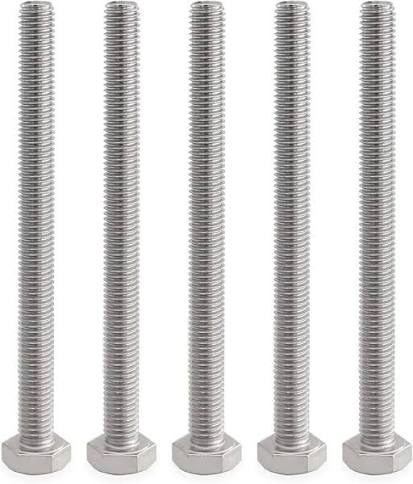
Small fasteners often decide whether industrial equipment runs smoothly or stops unexpectedly. A single loose or mismatched screw can cause misalignment, vibration, and costly downtime, which is why maintenance teams pay close attention to thread size, length, and head style. Understanding what a 3m screw specification means helps technicians order the right replacement and install it correctly the first time. This guide explains how a hex head metric screw is measured, where such fasteners are commonly used, and which installation habits protect equipment over the long term. It also covers inspection and interchangeability so readers can approach fastener selection confidently.
What the Specification Tells You
A fastener description packs a great deal of information into a few characters. In a listing such as a hex head M10 x 35mm item, the head style describes how the screw is driven, M10 gives the nominal thread diameter in millimeters, and 35mm gives the length. Every 3m screw of this type is intended for a specific application, so these details must match the original design. Using a near match may seem harmless, but small differences can affect clamping force and alignment.
Reading Thread Size and Length
The M in M10 stands for metric, and the number is the nominal outer diameter of the thread: 10 millimeters. Standard coarse threads for this size have a pitch of 1.5 millimeters, meaning the thread advances that distance with each full turn. For a hex head screw, length is measured from the underside of the head to the tip, so a 35-millimeter screw must fit the combined thickness of the clamped parts and thread depth. Measuring accurately prevents bottoming out or insufficient engagement.
Why Hex Heads Suit Industrial Equipment
The six-sided head provides flats for a wrench or socket, which allows high torque to be applied without damaging the fastener. This matters in industrial settings, where joints must hold components steady under repeated motion. Hex heads are also familiar to every technician, require common tools, and are easy to inspect visually for wear or rounding. Because the head sits above the surface, it also provides a clear point for applying a torque wrench. In packaging and dispensing machinery, such reliable tightening supports consistent alignment.
Matching OEM Standards and Materials
Equipment makers specify fasteners to suit loads, vibration, and operating conditions, so substitutions deserve care. Metric screws follow standardized dimensions, which means a 3m screw and another ISO-compliant fastener of the same size can often be interchanged, provided material strength and thread specifications also match. Checking the property class, material, and any coating protects against premature failure, especially where moisture, cleaning chemicals, or heavy loads are present. Always consult the equipment manual or manufacturer when in doubt.
Installation Best Practices
Start by cleaning the threaded hole and the screw to remove dirt, chips, or old residue. Thread the screw in by hand first, since resistance early on often signals cross-threading. Use a properly sized wrench or socket to avoid rounding the head, and tighten to the torque value given in the equipment documentation rather than guessing. Where specified, add a washer or thread-locking compound, and never reuse damaged fasteners.
Inspection, Vibration and Maintenance
Vibration is a leading cause of loosening in moving equipment, so regular inspection matters. Technicians often include fasteners in routine checks, looking for gaps, rust, worn heads, or witness marks that suggest movement. Retightening to specification and replacing worn items early prevents small issues from becoming breakdowns. Keeping a record of replaced parts, sizes, and torque values also speeds up future repairs and helps new staff understand how each assembly was built.
Final Thoughts
Choosing the right fastener is a small decision with a large effect on equipment reliability. Buyers who compare dimensions and standards carefully tend to avoid delays. Suppliers of machine parts typically list thread size, length, and head style, which makes verifying a match straightforward before installation. Careful selection and correct installation keep equipment running smoothly.