Introduction
A tattoo can be much more than a decorative image on the skin. It can represent a cherished memory, an important relationship, a personal achievement, or a powerful connection to something meaningful. Among the many tattoo styles available today, realism stands out for its ability to transform photographs, memories, and creative ideas into detailed works of art.
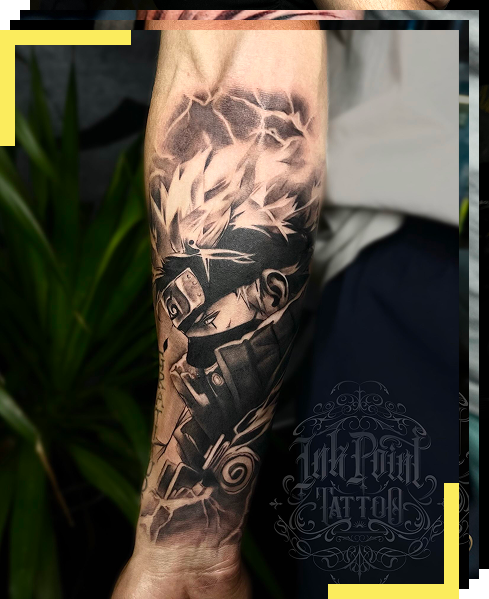
A realistic tattoo design combines artistic vision, technical precision, and a deep understanding of light, shadow, texture, and proportion. From lifelike portraits and wildlife illustrations to spiritual imagery and cinematic compositions, this style allows people to carry meaningful artwork with remarkable visual depth.
However, achieving a successful realism tattoo requires more than simply copying an image. The artist must understand how details translate onto skin, how different shades interact, and how the finished tattoo will look after healing. Understanding these elements can help you make informed decisions before beginning your tattoo journey.
Understanding the Art of Realism Tattoos
Realism is a tattoo style that aims to reproduce the appearance of real objects, people, animals, and scenes as accurately as possible. Unlike traditional tattoo styles that often use bold outlines and simplified shapes, realism focuses on subtle transitions, accurate proportions, and carefully controlled shading.
The goal is to create an image that appears three-dimensional rather than flat. Artists achieve this effect by studying reference photographs, identifying light sources, understanding anatomical structures, and building layers of contrast.
What Makes Realism Different?
Several artistic elements distinguish realism from other tattoo styles:
- Detailed textures: Skin, hair, feathers, fur, and other surfaces are recreated through precise shading.
- Light and shadow: Highlights and darker areas create depth and dimension.
- Accurate proportions: Facial features, body structures, and objects must maintain realistic relationships.
- Smooth transitions: Gradual shading helps images appear natural rather than heavily outlined.
- Fine details: Small elements contribute to the overall expression and lifelike appearance.
These techniques require patience, experience, and a strong understanding of visual art.
Popular Types of Realistic Tattoo Designs
Realism offers considerable creative freedom. The subject can be deeply personal or inspired by nature, photography, history, or imagination.
1. Portrait Tattoos
Portrait tattoos are among the most recognizable forms of realism. They commonly feature family members, loved ones, historical personalities, or other meaningful individuals.
Creating a convincing portrait requires careful attention to facial proportions, expressions, eyes, and subtle differences in skin tone. Even minor inaccuracies can affect the overall resemblance.
Choosing a high-quality reference photograph is particularly important. Clear lighting and visible facial features help the artist reproduce the subject accurately.
2. Animal and Wildlife Tattoos
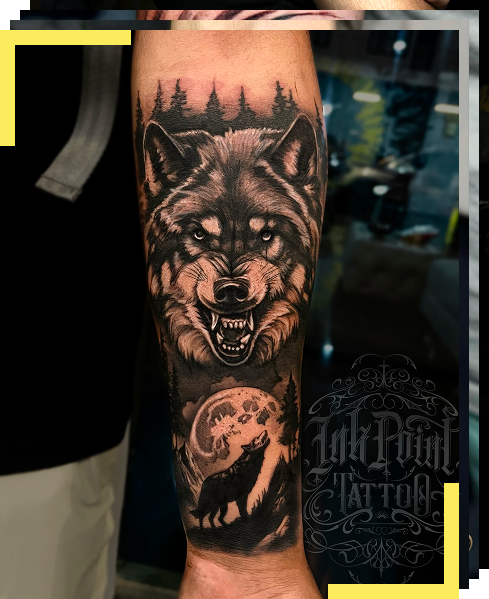
Animal realism captures the natural beauty and character of wildlife. Popular subjects include lions, tigers, wolves, eagles, elephants, and other animals.
These tattoos often emphasize distinctive features such as fur patterns, feathers, eyes, and muscle structure. The right combination of contrast and texture can make an animal appear remarkably lifelike.
Wildlife tattoos can also carry symbolic meanings, representing qualities such as courage, freedom, loyalty, strength, or independence.
3. Black and Grey Realism
Black and grey realism uses different shades of black ink, diluted grey tones, and carefully planned highlights to create depth.
This approach is particularly effective for portraits, religious imagery, dramatic compositions, and detailed nature scenes.
Because the style relies heavily on contrast, the artist must balance dark areas with lighter spaces. This helps maintain clarity and prevents the design from appearing visually crowded.
4. Colour Realism
Colour realism uses multiple ink tones to recreate the natural appearance of objects and scenes.
Artists carefully combine colours to reproduce skin tones, flowers, landscapes, animals, and other subjects. Understanding colour relationships is essential because the finished result must look balanced on the client’s natural skin tone.
Colour realism can produce vibrant artwork, but appropriate placement, contrast, and aftercare are important for maintaining its appearance.
5. Spiritual and Cinematic Imagery
Some people prefer tattoos inspired by spiritual beliefs, mythology, or memorable scenes from films and literature.
These compositions may combine several elements, such as faces, symbols, backgrounds, and environmental details. Successful execution depends on arranging the elements so they form one coherent image.
How to Choose the Right Design for Your Personality
Selecting a tattoo should involve more than choosing an attractive photograph. It is worth considering what the artwork represents and whether you will continue to appreciate it in the years ahead.
Start with a Meaningful Concept
Think about the story behind your tattoo. It could represent a family connection, a personal milestone, a favourite animal, or an experience that changed your perspective.
A meaningful concept often provides a stronger foundation for custom artwork than selecting an image simply because it is currently popular.
Select Suitable Reference Images
Reference images help artists understand your expectations. Choose photographs with clear details, good lighting, and visible features.
If you are combining multiple references, explain which elements you want to include. Your artist can help determine whether they will work together visually.
Consider Size and Placement
Realistic artwork usually benefits from sufficient space because fine details need room to remain distinguishable.
Common placement options include:
- Forearm: Suitable for medium-sized portraits and detailed compositions.
- Upper arm: Offers flexibility for larger designs.
- Full sleeve: Allows several related elements to form one continuous artwork.
- Chest: Provides space for larger and more dramatic compositions.
- Back: Ideal for extensive scenes and detailed imagery.
- Thigh: Offers a broad surface for portraits and wildlife designs.
Your artist should consider the body’s natural contours when planning the final composition.
The Creative Process Behind a Realism Tattoo
A successful tattoo involves several stages, from the first discussion to the final healing process.
1. Personal Consultation
The process begins with discussing your idea, preferred subject, reference images, placement, and expectations. This allows the artist to understand the purpose of the tattoo.
2. Image Analysis and Composition Planning
The artist evaluates the reference material, lighting, proportions, and contrast. If necessary, different images can be combined or adjusted to create a balanced composition.
3. Custom Artwork Development
The artwork is developed according to the chosen placement and body structure. A custom approach helps ensure that the design complements the individual rather than looking like a generic template.
4. Detail Refinement
Before the tattoo session, the artist reviews important elements such as facial expressions, texture, shadows, and highlights.
5. Tattoo Execution
The artist gradually builds the image using controlled shading, layering, and appropriate needle techniques. Depending on the size and complexity, the work may require multiple sessions.
6. Aftercare Guidance
Once the session is complete, following proper aftercare instructions is essential. Keeping the tattoo clean, avoiding unnecessary friction, and protecting healing skin can support better results.
How to Make Your Realism Tattoo Age Well
Tattoo appearance changes naturally over time. Sun exposure, skin ageing, and the body’s healing process can influence how clearly details remain visible.
To support long-term quality, consider these recommendations:
- Choose an experienced artist with a strong realism portfolio.
- Avoid making an extremely detailed image too small.
- Allow sufficient spacing between important elements.
- Follow the recommended aftercare routine.
- Avoid picking or scratching healing skin.
- Protect healed tattoos from excessive sun exposure.
- Use suitable sunscreen once the tattoo has fully healed.
It is also important to maintain realistic expectations. Extremely fine details may soften over time, so thoughtful composition is essential from the beginning.
Choosing a Tattoo Artist in Koh Phangan and Koh Samui
When planning a tattoo in Koh Phangan or Koh Samui, selecting the right artist is one of the most important decisions.
Do not base your choice only on attractive social media photographs. Look for healed tattoo examples, consistent portfolio quality, and evidence of experience with the specific style you want.
What Should You Look For?
Portfolio quality: Review completed portraits, animal designs, and other realism projects to understand the artist’s capabilities.
Hygiene standards: Check that the studio follows proper sterilization procedures, uses sterile needles, and maintains a clean working environment.
Communication: Your artist should listen carefully, explain the design process, and discuss realistic expectations.
Equipment and materials: Professional equipment and quality inks contribute to a controlled tattooing process.
Aftercare support: Clear guidance after your session helps you understand how to care for your new tattoo.
If you are visiting the islands for a holiday, discuss your travel dates and available appointment times in advance. Remember that a fresh tattoo needs appropriate care, and swimming or exposing healing skin to seawater and pools should be avoided.
Preparing for Your Tattoo Appointment
Preparation can make a long tattoo session more comfortable and productive. Realism projects may involve extended periods of sitting, so taking care of yourself beforehand is important.
Consider the following steps:
- Get enough sleep the night before your appointment.
- Eat a balanced meal before your session.
- Stay hydrated throughout the day.
- Wear comfortable clothing that provides easy access to the tattoo area.
- Bring your reference photographs and discuss any final changes.
- Avoid arriving with sunburned or irritated skin.
- Follow your artist’s instructions regarding preparation and aftercare.
For larger projects, discuss the possibility of dividing the work into multiple appointments. This allows sufficient time for the skin to recover between sessions.
Why Personal Consultation Matters
Every person has different expectations, skin characteristics, and artistic preferences. A consultation helps establish whether a particular image is suitable for tattooing and what adjustments might improve the final result.
During the discussion, ask your artist about the recommended size, placement, estimated session duration, and shading approach. You should also discuss whether the reference image needs simplification or additional contrast.
A professional artist will explain what is achievable rather than promising that every photographic detail can be reproduced perfectly. This honest communication helps establish realistic expectations and creates a better foundation for the finished artwork.
Whether you are considering a small portrait or a large composition, thoughtful planning makes a significant difference to the overall experience.
Conclusion
Choosing a tattoo is a personal decision that deserves careful consideration. From selecting meaningful reference photographs to finding the right placement and understanding different shading techniques, every stage contributes to the final result. A realistic tattoo design can capture memories, emotions, and personal stories through detailed artwork that becomes part of your identity.
For anyone exploring realism tattoo options in Koh Phangan or Koh Samui, working with experienced artists and prioritizing hygiene, communication, and custom artwork are important steps. Inkpoint Tattoo Studio focuses on understanding each client’s vision, refining individual concepts, and creating personalized tattoos through precision and artistic attention.
Take the time to explore different styles, prepare your ideas, and discuss your expectations before booking an appointment. The best tattoo is one that reflects your story and remains meaningful long after the session is complete.