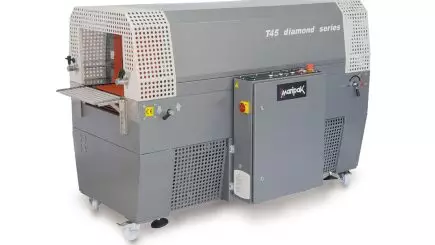
Maintaining speed and protective integrity on the packaging floor remains a top operational priority for warehouses, distribution hubs, and manufacturing facilities across the nation. Modern production lines rely heavily on automated and semi-automated machinery to wrap products securely, shielding them from environmental moisture, dust accumulation, and transit hazards. Integrating high-performance shrink wrap equipment allows commercial operations to meet rigorous daily fulfillment targets while significantly lowering physical labor costs and material waste. By modernizing your end-of-line packaging infrastructure, your organization can ensure consistent product protection, elevate shelf presentation quality, streamline operator workflows, and scale to meet expanding order volumes efficiently.
Types of Machinery Used in Industrial Packaging
Selecting the right packaging layout depends on your specific product dimensions, throughput speed requirements, and film material choices. Facilities typically choose between L-sealers, continuous side sealers, and heavy-duty sleeve wrappers to manage diverse inventory profiles effectively across their supply chain operations.
L-sealers cut and seal protective film around products in a single swift motion, making them a popular choice for low-to-medium volume items like boxed goods, games, or consumer electronics. For high-speed lines requiring continuous movement without product spacing delays, automatic side sealers handle unlimited package lengths with ease. Meanwhile, robust sleeve wrappers focus on bundle packaging for heavy industrial products, beverage trays, or multi-packs using heavy-gauge polyethylene films. Each machinery type plays a distinct role in keeping goods fully intact throughout fulfillment and shipping networks.
Key Advantages of High-Speed Packaging Automation
Integrating advanced shrink wrap equipment directly into an existing production line creates immediate operational efficiency improvements. Modern machinery comes standard with programmable logic controllers (PLCs) and user-friendly touchscreen interfaces, allowing machine operators to switch between different product sizes with minimal downtime during shift changes.
Consistent heating elements and precise digital temperature regulators eliminate common packaging flaws such as dog-ears, film burn-through, or structurally weak seals. Furthermore, automated photo-eye sensors closely monitor package flow through the line to prevent unexpected jams and minimize film usage through micro-precise trimming. This high level of process control guarantees that every unit leaving your loading dock maintains a professional appearance while keeping overall operational expenses well under control.
Selecting the Right Setup for Your Operations
When evaluating machinery upgrades, operations managers must carefully analyze several core variables. Output volume expectations dictate whether a manual, semi-automatic, or fully integrated automatic configuration best serves the facility’s long-term targets. Smaller fulfillment operations handling short-run or custom orders often find semi-automatic sealers fully sufficient, whereas large distribution warehouses depend on continuous-motion systems capable of processing thousands of packages per hour.
Film selection represents another vital factor in system setup. Polyolefin films offer superior visual clarity and puncture resistance for consumer retail displays, whereas thicker polyethylene films deliver maximum hold strength for bulk bundling applications. Heat tunnel dimensions must also be correctly sized to guarantee complete, uniform shrink wrapping without exposing sensitive product contents to excess thermal stress. Implementing versatile shrink wrap equipment equips your facility with the flexibility needed to handle dynamic market demands.
Maintenance Best Practices for Long-Term Efficiency
Even the most dependable automated machinery requires systematic maintenance to perform reliably at peak speeds. Establishing structured daily, weekly, and monthly preventive routines helps prevent unexpected machine downtime and extends the working lifespan of critical components. Sealing wires, cut-off blades, and heat-resistant Teflon tapes should be cleaned regularly to eliminate burnt film residue that compromises seal integrity.
Conveyor belts, drive chains, and heat tunnel recirculation blowers also require routine mechanical checks to ensure smooth package transit and even temperature distribution. Inspecting electrical connections, checking pneumatic air pressures, and replacing worn components before failure guarantees consistent line speed and protects your long-term capital investment.
Conclusion
Optimizing your end-of-line packaging workflow is crucial for companies aiming to maximize output throughput, protect valuable inventory, and maintain high visual presentation standards for customers. Upgrading facility hardware with a high-capacity shrink machine delivers reliable seal consistency, cuts unnecessary material waste, and ensures your shipping pipeline stays fast, predictable, and profitable over time.