A freshly plastered wall may look ready for painting, but its final appearance depends heavily on the material applied before the paintbrush touches the surface. Small pores, uneven patches, and differences in plaster texture can affect the result if they are not addressed properly. This makes the selection of a wall putty manufacturer an important consideration for homeowners, contractors, dealers, and construction professionals. Beyond attractive packaging or promotional claims, buyers need to examine manufacturing consistency, product development, technical support, and the ability to meet different construction requirements.
Raw Material Selection Sets The Baseline
The manufacturing process begins long before a finished bag reaches a dealer. Raw materials must be selected according to the properties required in the final formulation. White cement, polymers, mineral fillers, and performance-enhancing additives can each contribute to the behaviour of wall putty.
The quality of these ingredients influences factors such as whiteness, consistency, adhesion, workability, and water resistance. Manufacturers need to maintain suitable material proportions so that the finished product performs consistently.
Raw material inspection is therefore an important part of production. Variations in incoming materials can affect the final formulation, making careful sourcing and quality checks necessary.
Production Technology Influences Consistency
Manufacturing wall putty involves more than combining ingredients in a mixing unit. Different materials must be processed and blended under controlled conditions to achieve a uniform powder.
Industrial mixing equipment helps distribute ingredients evenly throughout a batch. Consistent particle distribution and accurate proportioning are important because uneven mixtures may produce differences in workability and surface results.
Modern production facilities also help manufacturers manage larger orders without losing control over product specifications. For distributors and contractors, this consistency matters because materials purchased at different times should deliver comparable application results, an important consideration when evaluating the no 1 putty company in India.
Laboratory Testing Supports Product Development
A manufacturer needs more than production capacity to establish product reliability. Testing facilities help assess whether a formulation meets its intended performance requirements.
Wall putty may be evaluated for tensile adhesion, compressive strength, water absorption, whiteness, coating thickness, and coverage. These measurements provide useful information about how a product behaves under specified testing conditions.
Laboratory testing also supports product improvement. If a formulation needs better workability or stronger bonding characteristics, technical teams can study the results and make adjustments before wider production.
Packaging Protects The Finished Material
Once manufacturing and testing are complete, packaging becomes another important stage. Wall putty is generally supplied as a dry powder, which means exposure to moisture during storage and transportation can affect its condition.
Suitable packaging helps protect the material from external exposure and makes handling easier for dealers and construction teams. Clear labelling should communicate the product name, net weight, manufacturing details, shelf life, and application instructions.
Manufacturers also need to offer practical pack sizes. Smaller quantities may suit household repairs, whereas larger bags are useful for contractors and projects involving extensive wall areas.
Different Formulations Serve Different Projects
Construction requirements are rarely identical. A residential bedroom, a commercial office, and an exposed exterior wall may require different finishing considerations.
This is why manufacturers develop multiple product grades rather than relying on a single formulation. Some products prioritise smoothness and paint readiness, while others focus on adhesion, moisture resistance, or durability.
Buyers researching the no 1 putty company in India should therefore look beyond brand popularity. A manufacturer’s ability to offer suitable options for different applications provides a more useful indication of how well its product range addresses construction needs.
Distribution Determines Market Accessibility
Even a well-developed product has limited value if customers cannot obtain it when required. Distribution plays a major role in connecting manufacturers with dealers, retailers, contractors, and individual buyers.
A dependable distribution network helps maintain product availability across different markets. It also makes bulk purchasing and repeat orders easier for construction businesses managing several projects simultaneously.
Manufacturers should pay attention to stock planning, transportation arrangements, dealer relationships, and regional demand. These activities help reduce supply interruptions and allow customers to plan their purchases with greater confidence.
Technical Guidance Adds Practical Value
Product quality and application knowledge need to work together. Even a properly manufactured putty may produce disappointing results if workers ignore surface preparation or recommended mixing instructions.
Manufacturers can support customers by providing clear technical information about water requirements, application thickness, drying periods, coverage, and storage conditions. Such guidance is particularly useful for contractors handling projects with different surface conditions and evaluating products from a wall putty manufacturer.
Accessible product information also helps dealers explain differences between grades and recommend suitable materials without relying entirely on promotional descriptions.
Customer Feedback Helps Refine Formulations
Construction professionals work with materials under different site conditions. Their observations can reveal practical issues that laboratory assessments alone may not fully capture.
For example, contractors may report difficulties with mixing, spreading, drying behaviour, or achieving a consistent finish. Dealers may identify changing customer preferences or demand for particular pack sizes.
Manufacturers that examine this feedback can identify opportunities to improve formulations, packaging, and technical support. This creates a useful connection between product development and actual construction requirements.
Certifications Strengthen Quality Accountability
Certifications and recognised quality standards provide another reference point for evaluating a manufacturer. They indicate that particular management systems or products have been assessed against defined requirements.
Buyers should check the validity and scope of relevant certifications rather than assuming that every product automatically carries the same approval. Manufacturing practices, quality management, and product-specific compliance are separate considerations.
A manufacturer that maintains documented quality procedures and regular testing gives dealers and construction professionals more information to assess before establishing a purchasing relationship.
Conclusion
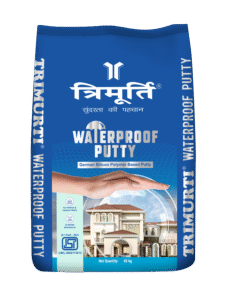
A capable manufacturer brings together material knowledge, controlled production, laboratory testing, suitable packaging, and dependable distribution. These elements determine how consistently a product meets the expectations of homeowners, contractors, and dealers. Buyers who examine these factors can make more informed purchasing decisions instead of relying entirely on brand claims. With its experience in wall care and construction materials, Trimurti offers a range of finishing solutions, including Trimurti expert wall putty, designed to address different project requirements.