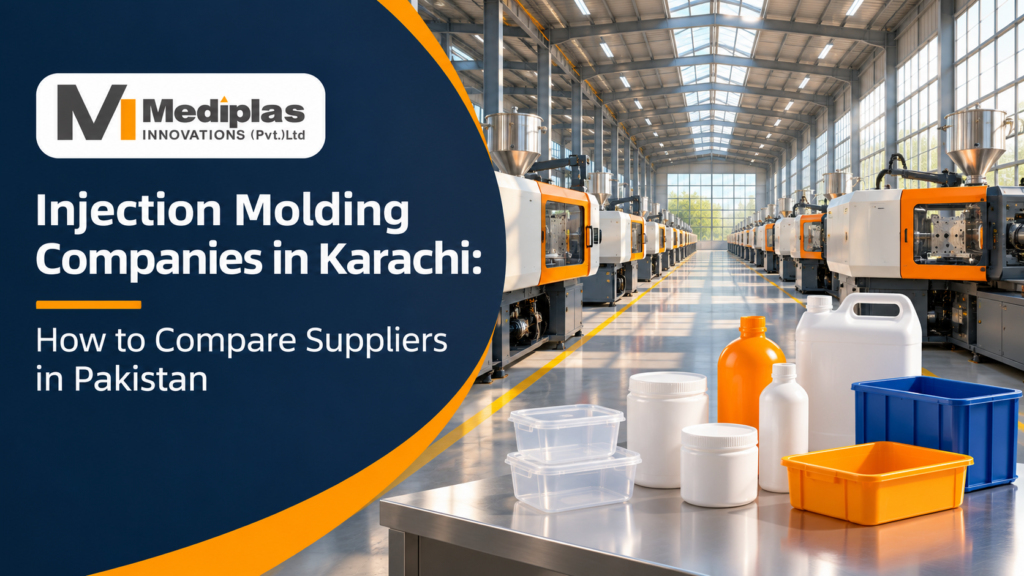
Businesses looking for plastic components often compare several manufacturers before making a decision. Price matters, but it does not show whether a supplier can meet the product’s technical requirements. The right partner should understand the part, material, tooling, production volume, and quality expectations. Businesses across pharmaceuticals, FMCG, healthcare, and industry may have different sourcing needs. A structured comparison helps buyers assess suppliers fairly.
Define Your Manufacturing Requirements Before Comparing Injection Molding Companies
Before contacting suppliers, prepare a clear description of the component. This gives each manufacturer the same information and makes quotations easier to compare.
Part Drawings, Materials and Annual Volume
Share current drawings or CAD files where available. Include dimensions, material preferences, estimated quantities, and expected repeat orders. If the material is not confirmed, explain the component’s intended use. A manufacturer may then discuss suitable resin options. Mention whether the part is new or already in production.
Tolerances, Finish and End-Use Requirements
Identify dimensions that affect fit, sealing, movement, or assembly. Explain the required surface finish, colour, and appearance. Describe any exposure to heat, moisture, chemicals, or impact. These details help suppliers assess material and process suitability. They also reduce the risk of different assumptions during quotation.
What to Compare When Evaluating Injection Molding Companies
Injection Molding Companies can differ in engineering support, tooling arrangements, machinery, and production planning. Buyers should compare capabilities against the actual project rather than relying on broad claims. Ask for clear explanations of how each supplier would approach the component.
Technical Capabilities and Process Suitability
Discuss the part’s size, geometry, material, and expected volume. Ask which moulding process and machine range suit the project. Confirm experience with similar components. Assess machine specifications against the mould and part requirements.
Tooling, Mould Maintenance and Ownership
Clarify who designs, fabricates, and maintains the mould. Ask whether tooling is made in-house or managed through another provider. Discuss mould trials, repair responsibilities, storage, and ownership terms. These details matter because tooling can be a significant project investment. Written terms help prevent misunderstandings later.
Production Planning and Scalability
Ask how the supplier plans quantities, scheduling, and material availability. Discuss whether expected volumes can be handled within the required timeframe. If demand may increase, ask how additional production would be assessed.
For a closer look at a local manufacturing option, buyers can review Mediplas’s Injection Molding Companies service information.
How to Assess Quality, Documentation and Communication
A suitable supplier should understand the product’s acceptance criteria before production begins. Discuss measurable requirements, inspection methods, and change control. Do not rely only on general quality promises.
Inspection Methods and Acceptance Criteria
Agree which dimensions and features are critical. Ask how samples and production parts will be checked. Depending on the component, inspection may include measurements, visual review, fit checks, or functional testing. Define acceptable limits before approving production. This gives both parties a clear reference.
Traceability, Change Control and Technical Response
Ask how the supplier records material details, sample approvals, and specification changes. Confirm who approves changes to resin, tooling, or design. Buyers should know who investigates production issues and explains corrective actions.
Compare Manufacturing Quotations by Scope, Not Only Unit Price
A low unit price may not represent the full project cost. Quotations may include different tooling, sampling, finishing, and packaging arrangements. Ask suppliers to state what is included and compare similar assumptions.
Separate Tooling and Recurring Production Costs
Request separate details for mould development and part production. Tooling costs may depend on geometry, cavity count, machining, and mould complexity. Recurring costs may depend on material, cycle time, production quantity, and finishing. Separate figures make it easier to understand the initial investment and ongoing requirements.
Clarify Assumptions, Exclusions and Production Quantities
Check the material grade, colour, quantity, and finishing scope in each quotation. Confirm whether sampling, packaging, transport, and taxes are included. Ask about minimum order quantities where relevant. If a quotation assumes a particular annual volume, make sure it matches your expected demand. Clarify any exclusions before comparing prices.
Local Supplier Due Diligence in Karachi
Local access can make factory discussions, sample reviews, and technical coordination easier. However, location alone should not decide supplier suitability. Buyers should still assess equipment, engineering support, quality practices, and project communication.
Factory Capabilities and Technical Discussions
Where practical, arrange a visit or technical meeting. Discuss moulding, tooling, and inspection. Ask how the supplier would handle your part. Focus on actual requirements rather than promotional statements.
Samples, References and Site Reviews
Review samples against your drawings and intended application. Ask whether relevant project references can be shared. During a factory visit, focus on processes related to your order. A displayed machine or sample does not prove suitability for every component.
Prepare an RFQ That Gets Useful Manufacturing Responses
A clear request for quotation helps suppliers assess design, tooling, materials, and production. Label details still under review as provisional.
Information to Include in an RFQ
Provide the following information:
- Product drawings or CAD files.
- Component dimensions and critical tolerances.
- Preferred material or intended application.
- Estimated production quantities.
- Required colour and surface finish.
- Assembly and packaging requirements.
- Whether mould development is also required.
Questions to Ask During Supplier Follow-Up
Clarify tooling scope, sample approval, production planning, and quality checks. Confirm mould ownership, maintenance responsibilities, and change approval procedures.
Frequently Asked Questions
What should a buyer compare between injection moulding suppliers?
Compare process suitability, tooling capability, material knowledge, inspection methods, production planning, communication, and quotation scope. Assess each against your component requirements.
Should mould tooling and part production be quoted separately?
Separate pricing helps distinguish the initial tooling investment from recurring manufacturing costs. It also makes supplier quotations easier to compare.
What information should an injection moulding RFQ include?
Include drawings, dimensions, material preferences, quantities, tolerances, finish requirements, and intended application. Mention tooling needs and expected repeat orders.
How can buyers assess supplier quality before placing an order?
Review samples, inspection methods, acceptance criteria, and available documentation. Discuss how the supplier handles defects and production changes.
Is choosing the nearest manufacturing supplier always the best option?
No. Location may support communication and visits, but technical suitability, quality processes, tooling, and production planning remain important.
Choosing a Manufacturing Partner That Meets Your Requirements
A sound supplier decision starts with clear specifications and a fair comparison. Assess technical capability, tooling, quality, communication, and total project scope. Mediplas Innovations (Pvt.) Ltd. supports product development, mould fabrication, injection moulding, and post-processing. Contact the team to discuss your component requirements and request a suitable manufacturing assessment.