Introduction
Trade shows provide businesses with an important opportunity to introduce their products, connect with potential customers, strengthen industry relationships, and increase brand awareness. These events bring together companies, professionals, buyers, and industry experts under one roof, creating valuable opportunities for networking and business development. However, the experience does not end when the exhibition closes. The photographs captured throughout the event can continue to deliver marketing value long after the show has finished.
Professional photography plays an important role in preserving these moments. From attractive booth displays and product demonstrations to meaningful conversations and audience interactions, high-quality images help businesses communicate their participation and achievements. A well-planned photography approach ensures that important details are documented while presenting the company in a professional and engaging manner.
For businesses looking to maximize their exhibition investment, trade show booth photography offers an effective way to capture the atmosphere, visual identity, and customer engagement surrounding their presence at an event. These photographs can become valuable assets for websites, social media campaigns, promotional materials, press releases, and future marketing strategies.
Why Photography Matters at Trade Shows
Participating in a trade show requires considerable preparation, investment, and coordination. Companies spend time designing booths, preparing products, training representatives, and planning presentations to attract visitors. Without professional photographs, many of these efforts may go undocumented.
Photography allows businesses to preserve the most important moments and communicate their event experience to people who could not attend. It also provides visual proof of participation, helping companies demonstrate their industry involvement and professional presence.
Some of the major benefits include:
- Brand visibility: Professional photographs showcase company branding, booth designs, products, and promotional displays.
- Marketing opportunities: Images can be reused across websites, email campaigns, brochures, and social media platforms.
- Audience engagement: Candid photographs capture authentic interactions between company representatives and visitors.
- Professional credibility: High-quality visuals help businesses present themselves as established and trustworthy industry participants.
- Event documentation: Photographs create a visual record of important presentations, demonstrations, and networking activities.
These benefits make professional event photography an important consideration for businesses attending exhibitions and industry gatherings.
Capturing the Complete Booth Experience
A company booth represents its identity during an exhibition. It is often the first physical interaction visitors have with a brand, making its appearance and presentation particularly important. A professional photographer understands how to capture the booth in a way that highlights its design, layout, branding, and overall atmosphere.
Wide-angle photographs can showcase the complete exhibition space, including banners, lighting, product displays, promotional materials, and interactive areas. Closer shots can focus on individual elements that deserve additional attention.
For example, a company introducing a new product may want detailed photographs of its display area, product features, and demonstration activities. Similarly, a business investing in a custom-designed booth may want images that highlight its architecture, visual branding, and visitor-friendly layout.
Professional composition and appropriate lighting help ensure that these details are clearly visible. The resulting images provide businesses with useful content for future promotional activities.
The Importance of Candid Event Photography
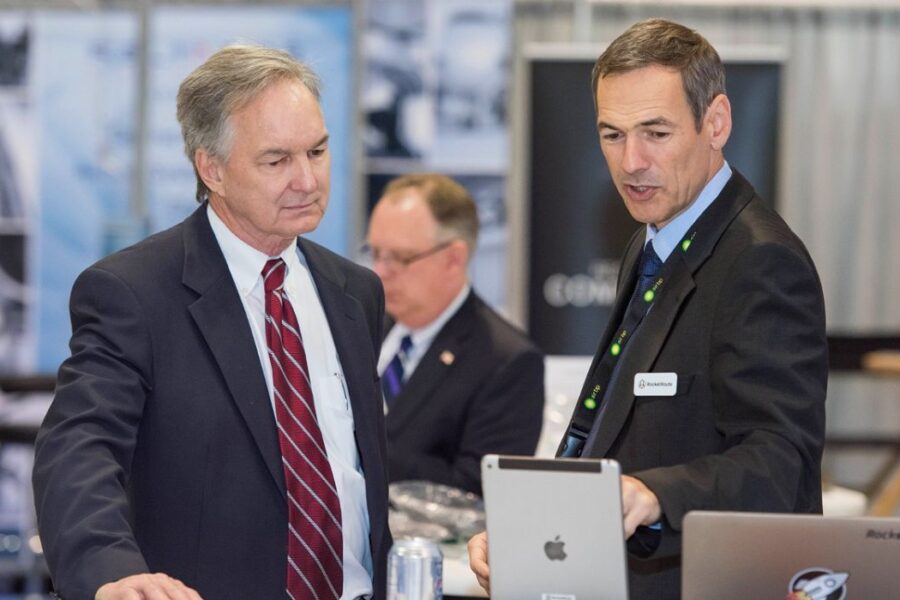
Some of the most valuable moments at an exhibition happen naturally. Visitors asking questions, representatives explaining products, business owners exchanging ideas, and professionals connecting with potential partners all contribute to the event experience.
Candid photography captures these genuine interactions without making every moment feel staged. These images help communicate the energy and authenticity of the exhibition.
Natural photographs can also make marketing content more relatable. Rather than showing only empty booths and promotional displays, businesses can present real people interacting with their products and services.
Professional photographers observe the environment carefully to identify meaningful opportunities. They capture conversations, demonstrations, reactions, and networking moments while remaining mindful of the event schedule and visitor experience.
This approach creates a balanced collection of images that reflects both the visual presentation and human side of the event.
Showcasing Products and Live Demonstrations
Product demonstrations are often among the most important activities at trade shows. They allow businesses to explain product features, demonstrate practical applications, and answer questions from interested visitors.
Photography helps preserve these activities in a visually engaging format. A skilled photographer can capture product details, demonstration techniques, audience reactions, and interactions between presenters and attendees.
These photographs can support several marketing objectives. Sales teams may use them in presentations, marketing departments can include them in promotional campaigns, and website managers can incorporate them into product-related content.
For businesses launching new products, professional images are particularly useful because they provide an opportunity to introduce the product to a wider audience after the exhibition.
Rather than relying entirely on written descriptions, companies can use authentic event photographs to show how products were presented and received by visitors.
Creating Valuable Marketing Content
One of the biggest advantages of professional event photography is the opportunity to reuse images across different marketing channels. A single exhibition can generate visual content that supports several weeks or even months of promotional activity.
Businesses can use event photographs in the following ways:
Website Content
Companies can add event photographs to their websites to demonstrate industry participation, showcase product launches, and communicate their professional experience. An event gallery can also provide visitors with a better understanding of the company’s activities.
Social Media Marketing
Platforms such as LinkedIn, Facebook, and Instagram provide opportunities to share exhibition highlights. Businesses can publish photographs of booth displays, networking sessions, team activities, and product demonstrations.
These posts help maintain audience interest and allow companies to reach people beyond the physical exhibition.
Email Marketing
Event photographs can make email newsletters more engaging. Businesses can share exhibition highlights with existing customers, potential clients, and industry contacts.
A collection of professional images can also accompany thank-you messages sent to visitors who stopped by the booth.
Brochures and Presentations
High-quality event images can be included in company profiles, digital presentations, sales materials, and corporate brochures. They provide visual evidence of industry involvement and help make promotional documents more appealing.
Press Releases and Company Updates
Businesses can use event photographs when announcing product launches, industry partnerships, exhibition participation, and other important developments.
Using authentic photographs makes these announcements more informative and visually interesting.
Building a Consistent Brand Image
Brand consistency is essential for businesses that want to establish a recognizable identity. Every marketing material, from website graphics to exhibition displays, contributes to how customers perceive a company.
Professional photography helps maintain this consistency by presenting products, people, and company activities in a polished manner.
For example, a business with a modern and innovative identity may want photographs that emphasize contemporary booth designs, advanced products, and interactive demonstrations. A company focused on professional services may prefer images that highlight meaningful conversations, business meetings, and industry networking.
The photographer’s approach should reflect the company’s communication goals. Attention to composition, lighting, background details, and visual presentation helps create photographs that complement the overall brand identity.
Consistency across event galleries and promotional materials also helps businesses create a more recognizable presence in their industry.
Why Professional Photography Requires Proper Planning
Successful event photography involves more than simply arriving at an exhibition with a camera. It requires preparation, coordination, and an understanding of the client’s objectives.
Before the event begins, businesses should identify the photographs they need. This makes it easier for photographers to organize their work and ensure that important activities receive attention.
A practical photography plan may include:
- Full views of the exhibition booth.
- Close-up photographs of company logos and branding.
- Product displays and demonstrations.
- Representatives interacting with visitors.
- Candid audience engagement.
- Team photographs and networking sessions.
- Presentations, speeches, and special announcements.
- Important exhibition highlights and memorable moments.
Sharing this information in advance helps photographers understand the company’s priorities.
It is also useful to discuss the event schedule, venue restrictions, lighting conditions, and any special photography requirements. Proper preparation reduces the possibility of missing important moments.
The Role of Lighting and Composition
Lighting and composition have a significant influence on the quality of event photographs. Exhibition halls can present challenging conditions because they often contain mixed lighting, illuminated displays, reflective surfaces, and crowded backgrounds.
Professional photographers understand how to work in these environments while maintaining image clarity and visual balance.
Proper exposure helps ensure that booth displays and people are visible without losing important details. Composition guides the viewer’s attention toward the subject, whether it is a product, company representative, or exhibition display.
Different photographic techniques can be used depending on the situation. Wide shots help establish the atmosphere, medium shots capture interactions, and close-ups highlight specific details.
Photographers may also adjust their positions to avoid distracting backgrounds and capture more appealing perspectives.
These technical decisions help transform ordinary event documentation into useful marketing imagery.
Capturing Audience Engagement and Networking Opportunities
Trade shows are not only about displaying products. They also provide opportunities to build relationships, understand customer needs, and connect with professionals from across the industry.
Photographs of audience engagement can communicate the level of interest surrounding a company’s booth. Visitors examining products, attending demonstrations, and speaking with representatives all provide meaningful visual content.
Networking photographs can also demonstrate the company’s involvement in its professional community. They may show meetings with business partners, conversations with industry experts, and interactions with prospective customers.
Such photographs are particularly useful for businesses that want to strengthen their reputation and communicate their industry presence.
However, photographers should remain respectful of visitors and follow venue photography policies. When identifiable individuals are photographed for promotional purposes, appropriate consent should be obtained where required.
How Event Photographs Support Future Business Growth
The value of event photography extends beyond immediate promotional activities. Businesses can use these images to support long-term marketing and sales strategies.
For example, a company preparing for another exhibition can review photographs from previous events to evaluate its booth presentation and identify opportunities for improvement.
Marketing teams can examine which displays attracted attention and which activities generated strong audience engagement. These observations may help guide future exhibition planning.
Sales teams can also use event photographs when communicating with potential customers. Images from previous exhibitions provide useful context during presentations and follow-up conversations.
Additionally, businesses can create annual event galleries that document their participation in important industry exhibitions. These collections help communicate business development, brand evolution, and continued involvement in the market.
When properly organized, event photographs become part of a company’s long-term marketing resources rather than content used only once.
Choosing the Right Trade Show Photography Service
Selecting a professional photography service is an important decision for businesses that want reliable event coverage. The right photographer should understand exhibition environments and have the technical ability to capture different types of activities.
Before making a decision, businesses should consider several factors.
Experience With Corporate Events
Trade shows have unique requirements, including busy exhibition floors, changing schedules, and limited opportunities to capture important moments. Experience with corporate events helps photographers work efficiently in these conditions.
Portfolio and Photography Style
Reviewing previous work allows businesses to understand the photographer’s style, technical quality, and ability to capture different event situations.
Equipment and Technical Skills
Professional equipment, suitable lenses, and lighting knowledge can make a significant difference in challenging exhibition environments.
Flexibility and Time Management
Exhibitions can involve unexpected schedule changes. Photographers should be able to adapt while ensuring that important activities are documented.
Image Delivery and Usage Rights
Businesses should discuss image delivery timelines, editing requirements, file formats, and commercial usage rights before the event. Clear expectations help prevent misunderstandings after the assignment.
Choosing a suitable photography partner ensures that businesses receive images that align with their marketing objectives.
Why Businesses Choose ProShots Events
Businesses participating in exhibitions need photographs that communicate the value of their event experience. ProShots Events provides expert trade show photography designed to capture the core of each event.
The service focuses on documenting different aspects of exhibitions, including dynamic booth displays, candid audience interactions, and visual elements that highlight a company’s brand.
Professional photographers work to capture meaningful moments while presenting the event in an engaging and polished manner. Whether a business wants photographs of its booth, visitors, product demonstrations, or company representatives, the objective is to create images that serve practical marketing purposes.
ProShots Events understands that event photographs are more than simple records of an exhibition. They can become valuable promotional resources that help businesses communicate their achievements, strengthen brand visibility, and connect with wider audiences.
Companies interested in professional event coverage can explore the trade show photography services offered by ProShots Events to learn more about available photography solutions.
Making the Most of Event Photographs After the Exhibition
Once the exhibition ends, businesses should have a clear plan for using the photographs. Simply storing images in a folder limits their potential value.
An organized content strategy can help companies make better use of their event photography.
The first step is to review the complete collection and select images that best represent the company’s objectives. Photographs can then be categorized according to booth displays, products, audience interactions, team activities, and networking sessions.
Marketing teams can use selected images to create social media updates, website galleries, newsletters, and promotional campaigns.
Adding relevant descriptions and captions can also help audiences understand the context behind each photograph. For example, a social media post might highlight a successful product demonstration or thank visitors who attended the company’s exhibition booth.
Businesses should also maintain an organized image library with suitable file names and categories. This makes it easier to locate photographs when preparing future campaigns, presentations, and corporate materials.
By treating event photographs as reusable marketing assets, companies can continue gaining value from their exhibition participation.
The Bottom Line
Trade shows offer businesses valuable opportunities to increase brand awareness, introduce products, connect with potential customers, and build professional relationships. However, these opportunities deserve to be documented in a way that preserves their value beyond the event itself.
Professional photography captures the details that make an exhibition meaningful, from attractive booth designs and product demonstrations to genuine conversations and audience engagement. These images can support websites, social media campaigns, sales presentations, email marketing, and future promotional activities.
Investing in trade show booth photography helps businesses turn temporary exhibition experiences into lasting visual resources. With proper planning, professional equipment, and an understanding of brand objectives, companies can create a collection of photographs that communicates their identity and strengthens their marketing efforts.
ProShots Events provides professional event photography services designed to capture the important moments and visual character of trade shows. For businesses looking to present their exhibition participation professionally, quality photography can make a meaningful difference in how their brand is remembered.