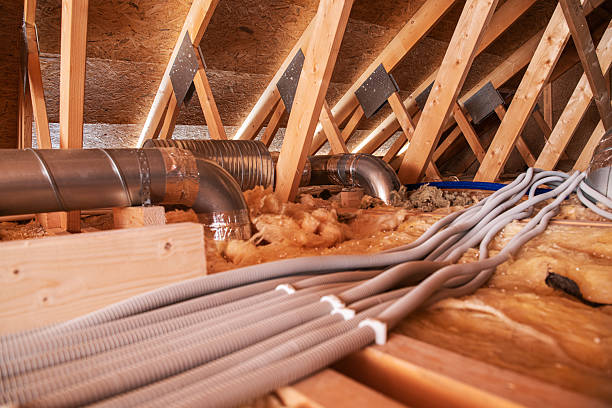
Attic insulation plays an important role in maintaining indoor comfort, controlling energy costs, and protecting a home from moisture-related problems. However, installing insulation correctly involves more than covering the attic floor. Certain areas require special attention because they can affect the performance of the entire insulation system. One of these areas is the space around bathroom exhaust vents.
Bathroom exhaust fans remove humid air, odors, and excess moisture from bathrooms. They typically discharge air through ductwork that travels through the attic and exits outside the home. If insulation is placed incorrectly around these vents, homeowners may experience heat loss, condensation, moisture accumulation, and reduced energy efficiency. Proper attic insulation placement helps maintain consistent indoor temperatures while allowing bathroom ventilation systems to operate as intended.
Understanding how insulation should be positioned around bathroom exhaust vents can help homeowners avoid common attic problems and maintain a healthier living environment.
Understanding the Purpose of Bathroom Exhaust Vents
Bathroom exhaust vents are designed to remove moisture produced by everyday activities such as showering, bathing, and washing. Without proper ventilation, humid air can remain trapped inside the bathroom and eventually spread into other parts of the home.
When a bathroom exhaust fan operates, it pulls warm, moisture-filled air through a duct and directs it outside. In many homes, this duct passes through the attic before reaching an exterior roof or wall vent.
Because attic temperatures can differ significantly from indoor temperatures, the ductwork requires proper installation and insulation. If the exhaust duct is poorly insulated, warm air moving through it can cool down before reaching the exterior. This temperature difference can contribute to condensation inside the duct.
Insulation around the surrounding attic space also matters. Poor placement can create gaps, interfere with ventilation pathways, or leave sections of the ceiling insufficiently protected.
Why Proper Insulation Placement Around Exhaust Vents Matters
Insulation helps slow heat transfer between the living space and the attic. However, bathroom exhaust vents create unique challenges because they involve both airflow and moisture management.
Several important factors explain why proper placement matters.
Preventing Heat Loss
During cooler weather, warm indoor air naturally moves toward colder spaces. If insulation is missing or poorly positioned around the bathroom exhaust vent, heat can escape through gaps in the attic floor.
These openings may allow conditioned air to move into the attic, forcing the heating system to work harder to maintain comfortable indoor temperatures.
Properly fitted insulation helps reduce unwanted heat transfer and supports consistent temperatures throughout the home.
Reducing Condensation Risks
Bathroom exhaust ducts often carry warm, humid air. When this air comes into contact with cold duct surfaces, moisture may condense.
This problem becomes more likely when ductwork is uninsulated, damaged, or improperly installed. Water accumulation can eventually cause staining, insulation deterioration, and other moisture-related concerns.
Insulating the exhaust duct with an appropriate material helps maintain a more consistent temperature and reduces the potential for condensation.
However, insulation alone cannot correct an improperly terminated exhaust duct. The duct must discharge outdoors rather than into the attic.
Protecting Attic Insulation Performance
Gaps around bathroom exhaust vents can reduce the effectiveness of the surrounding insulation. Even when the rest of the attic has sufficient insulation, poorly protected areas can become weak points in the thermal barrier.
These gaps may contribute to uneven room temperatures and unnecessary energy consumption.
Proper placement ensures that insulation covers the intended ceiling areas without blocking the exhaust duct or interfering with required ventilation clearances.
Common Insulation Mistakes Around Bathroom Exhaust Vents
Several installation mistakes can affect attic performance and create avoidable maintenance problems.
Blocking the Exhaust Vent
One common mistake is allowing loose-fill or batt insulation to cover the exhaust termination or interfere with the ventilation system.
Insulation should never block the exhaust outlet or restrict airflow through the duct. The system needs a clear pathway to discharge humid air outdoors.
Leaving Gaps Around the Ductwork
Another issue occurs when insulation is installed too far away from the surrounding duct penetration. These gaps can allow conditioned air to escape into the attic.
Professional installation focuses on maintaining continuous insulation coverage while keeping the ventilation system unobstructed.
Failing to Insulate Exhaust Ducts
Bathroom exhaust ducts running through unconditioned attic spaces should generally be insulated appropriately for the local climate and applicable building requirements.
Without adequate duct insulation, temperature differences can encourage condensation inside the ductwork.
Using Insulation Without Considering Clearances
Different exhaust fan assemblies, duct materials, and building configurations may have specific clearance requirements.
Placing insulation directly against components that require clearance can create safety and performance concerns. Homeowners should follow manufacturer instructions and applicable building codes rather than assuming every exhaust system can be covered in the same way.
How Air Sealing Improves Insulation Around Bathroom Exhaust Vents
Insulation and air sealing work together to create an effective building envelope. While insulation slows heat transfer, air sealing limits uncontrolled air movement through openings and gaps.
Bathroom exhaust duct penetrations can leave small openings around the ceiling plane. If these openings are not properly sealed, warm indoor air may escape into the attic.
Professional air sealing addresses these gaps using appropriate materials and installation methods.
For example, technicians may inspect the area around the exhaust fan housing, duct penetration, and surrounding ceiling openings. Suitable sealing materials are selected according to the location, material compatibility, and fire-safety requirements.
Homeowners interested in improving attic efficiency can learn more about Professional Air Sealing Services and how sealing unwanted openings supports insulation performance.
Proper air sealing can help reduce drafts, minimize unwanted heat transfer, and improve overall indoor comfort.
The Connection Between Attic Ventilation and Insulation
Attic ventilation and insulation serve different purposes, but they must work together.
Insulation helps prevent heat from moving between the attic and the conditioned living space. Ventilation helps manage heat and moisture within the attic through properly designed airflow pathways.
When bathroom exhaust systems are involved, this distinction becomes especially important.
Bathroom exhaust air should be directed outside through an approved termination point. It should never be released into the attic or into soffit areas where moisture could enter the attic space.
Discharging humid bathroom air into the attic can increase moisture levels and contribute to mold growth, wood deterioration, and insulation damage.
At the same time, attic ventilation openings must remain unobstructed. For example, insulation installed near soffit vents should not block the airflow needed for proper attic ventilation.
Understanding Attic Ventilation and Insulation can help homeowners recognize why insulation placement, ventilation pathways, and moisture control need to be considered together.
Signs That Your Attic May Have Insulation Problems Around Bathroom Vents
Homeowners may not immediately notice problems in the attic because bathroom exhaust ducts and insulation are often hidden from everyday view.
However, certain warning signs may indicate that an inspection is necessary.
Persistent bathroom humidity: If mirrors remain foggy long after showering or moisture lingers in the bathroom, the exhaust fan or ductwork may not be functioning properly.
Water stains near the bathroom ceiling: Discoloration around the exhaust fan could indicate condensation, roof leakage, or another moisture-related issue.
Unusual attic odors: Musty smells may suggest excessive moisture or mold growth in the attic.
Uneven indoor temperatures: If a bathroom or nearby room feels noticeably colder or warmer than other areas, insulation gaps or air leakage may be contributing factors.
Visible insulation damage: Wet, compressed, displaced, or deteriorating insulation around ductwork should be evaluated to determine the underlying cause.
These symptoms do not always indicate an insulation problem. A professional inspection can help identify whether the issue involves ductwork, ventilation, air leakage, roofing, or insulation placement.
Choosing the Right Insulation Approach
The appropriate insulation method depends on the attic’s existing condition, available space, duct configuration, and the home’s overall insulation requirements.
Fiberglass batt insulation can be useful in accessible areas where materials can be fitted carefully around framing and other obstacles. Blown-in insulation can help cover irregular attic floor areas and fill suitable spaces around structural components.
Regardless of the insulation type, the installation must maintain proper coverage without blocking bathroom exhaust equipment, attic ventilation openings, or required clearances.
Before adding new insulation, contractors should inspect existing materials for moisture damage, contamination, and other issues. Any underlying ventilation or ductwork problems should be corrected before covering the area.
A complete approach helps ensure that the insulation system performs effectively over time.
Why Professional Attic Insulation Services Matter in Hialeah
Homes in Hialeah experience warm temperatures and humid conditions for much of the year. These environmental factors make moisture management, attic ventilation, and proper insulation placement particularly important.
Bathroom exhaust systems need to remove humid indoor air effectively, while attic insulation helps reduce unwanted heat transfer between the roof space and living areas.
Poorly positioned insulation, unsealed openings, and improperly installed exhaust ducts can contribute to moisture problems and inconsistent indoor comfort.
Attic Insulation Plus provides insulation-related services to help homeowners address these concerns. A professional evaluation can identify insulation gaps, ductwork problems, ventilation restrictions, and air leakage that may affect attic performance.
Homeowners looking for local solutions can explore Attic Insulation Hialeah to learn more about available attic insulation services.
A properly planned installation considers the entire attic system rather than focusing only on adding more insulation. This helps homeowners address the underlying causes of energy loss and moisture concerns.
Maintaining Bathroom Exhaust Vents and Surrounding Insulation
Regular inspections can help homeowners identify developing problems before they lead to expensive repairs.
Bathroom exhaust fans should be checked periodically to confirm that they operate properly and move air effectively. Ductwork should be inspected for loose connections, damage, sagging sections, and inadequate insulation.
Homeowners should also look for signs of moisture around the exhaust fan and within accessible attic areas. If insulation becomes wet, the source of moisture should be identified and corrected before replacement materials are installed.
Keeping attic ventilation pathways clear is equally important. Insulation should remain properly positioned without covering soffit vents or interfering with other ventilation components.
Professional inspections are especially helpful when attic spaces are difficult to access or when the exhaust duct installation is unclear.
Conclusion
Proper attic insulation placement around bathroom exhaust vents is an important part of maintaining an energy-efficient and moisture-controlled home. Incorrect installation can contribute to heat loss, condensation, insulation damage, and ventilation problems.
By maintaining continuous insulation coverage, insulating suitable exhaust ductwork, sealing unwanted air gaps, and keeping ventilation pathways unobstructed, homeowners can improve overall attic performance.
For homeowners in Hialeah, addressing these details is particularly valuable because warm, humid conditions make proper moisture management essential. Working with experienced insulation professionals can help identify potential problems and ensure that insulation and ventilation systems function together effectively.
A well-maintained attic supports indoor comfort, protects building materials, and helps homeowners manage energy use throughout the year.
