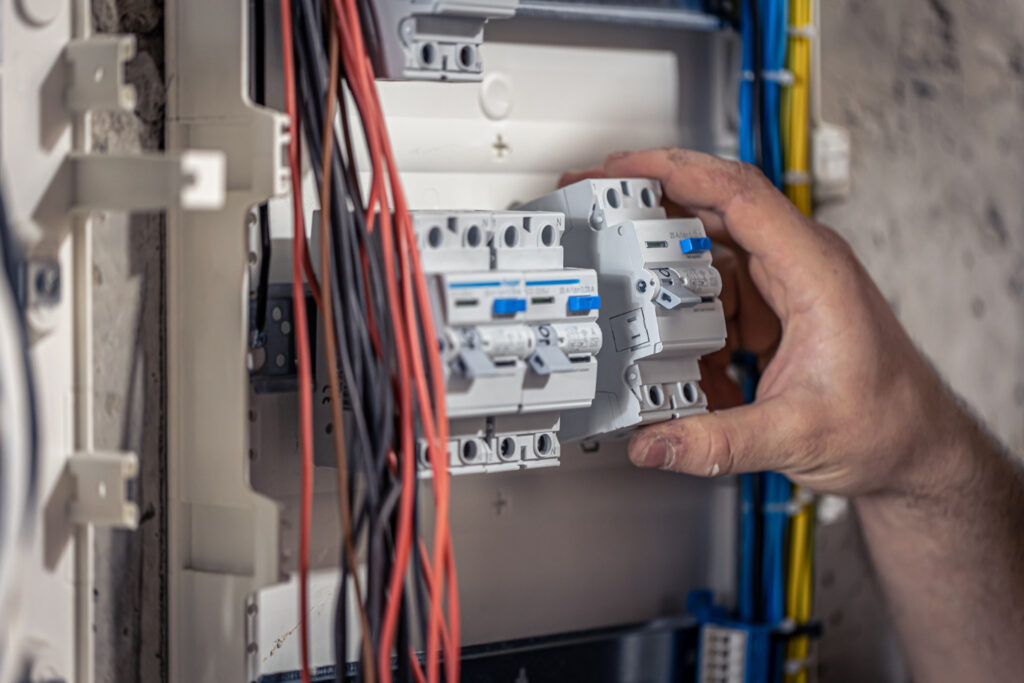
Selecting the right components for your wiring system is a critical decision that impacts long-term safety and operational efficiency. Homeowners and facility managers often search for the best brand of electrical products philippines to ensure their installations meet rigorous quality standards.
Reliable materials prevent hazardous faults, reduce maintenance costs, and ensure compliance with national electrical codes. This guide outlines the essential factors to consider when evaluating suppliers and products for your next construction or renovation project.
Evaluating Quality and Safety Standards
Safety is the primary concern when selecting electrical components for any building type. Substandard materials can lead to short circuits, fire hazards, and frequent system failures that endanger occupants. Understanding the certification requirements and manufacturing standards helps you make informed purchasing decisions.
Understanding Philippine Electrical Code Compliance
The Philippine Electrical Code (PEC) sets the minimum requirements for safe electrical installations. Any product used in residential or commercial buildings must adhere to these regulations to ensure legal compliance and user safety. Look for items that carry the Bureau of Philippine Standards (BPS) certification mark.
This label indicates that the product has undergone testing and meets the national safety specifications. Ignoring these standards can result in failed inspections and potential liability issues for property owners. Always verify that your supplier provides documentation proving compliance with current PEC guidelines.
Relevant Accreditation Documentation and Quality Marks
In addition to local standards, many reputable manufacturers hold international certifications such as ISO 9001 for quality management. These certifications demonstrate a commitment to consistent production processes and rigorous quality control. Products with UL (Underwriters Laboratories) or CE (Conformité Européenne) marks often indicate higher reliability and global acceptance.
While local compliance is mandatory, international certifications provide an extra layer of assurance regarding durability and performance. Buyers should prioritize brands that transparently display these credentials on their packaging and official websites. This transparency helps distinguish genuine high-quality products from counterfeit alternatives in the market.
Key Considerations for Residential Projects
Homeowners face unique challenges when upgrading or installing electrical systems. The focus is often on aesthetics, ease of use, and long-term durability within a domestic environment. Choosing the right products ensures comfort and safety for family members.
Durability and Longevity of Materials
Residential electrical components endure daily wear and tear from frequent switching and environmental changes. High-quality switches, outlets, and circuit breakers should withstand thousands of cycles without losing functionality. Materials such as polycarbonate for switch plates offer better resistance to heat and impact compared to cheaper plastics.
Copper wiring with proper insulation thickness prevents overheating and ensures efficient power transmission. Investing in durable materials reduces the need for frequent replacements and repairs. This approach saves money over the lifespan of the home and minimizes disruption to household activities.
Aesthetic Integration and Design Options
Modern homes require electrical fixtures that complement interior design themes. Manufacturers now offer a wide range of colors, finishes, and styles for switches and outlet covers. Homeowners can choose sleek, minimalist designs for contemporary spaces or classic styles for traditional interiors.
Consistency in design across different rooms creates a cohesive look throughout the property. It is important to balance aesthetic appeal with functional reliability. Do not sacrifice safety features for visual preferences. Ensure that any decorative element does not compromise the mechanical integrity of the device. Consult with interior designers and electricians to find options that meet both style and safety needs.
Requirements for Commercial and Industrial Use
Commercial buildings have higher power demands and stricter operational requirements than residential properties. Systems must handle heavy loads, continuous operation, and complex distribution networks. Reliability is crucial to prevent business interruptions and financial losses.
Load Capacity and Performance Metrics
Industrial-grade components must manage higher amperage and voltage levels without overheating. Circuit breakers and distribution boards should be rated for the specific load requirements of the facility. Undersized equipment can trip frequently, causing downtime and damaging sensitive machinery. Perform a detailed load calculation before purchasing any major electrical infrastructure.
Choose products with proven performance metrics under heavy stress conditions. Manufacturers often provide technical data sheets detailing temperature ratings and breaking capacities. Review these documents carefully to ensure the selected products match your operational needs. Proper sizing extends equipment life and enhances overall system stability.
Maintenance Ease and Accessibility
Commercial electrical systems require regular inspection and maintenance to ensure continuous operation. Components should be designed for easy access and quick replacement when necessary. Modular designs allow technicians to replace individual parts without dismantling entire panels.
Clear labeling and organized wiring layouts simplify troubleshooting processes. Select brands that offer comprehensive technical support and spare part availability. Downtime in a commercial setting can be costly, so rapid repair capabilities are essential. Train your maintenance staff on the specific features of the installed equipment. Proper training ensures that routine checks are performed correctly and efficiently.
Identifying the Best Brand of Electrical Products Philippines
Finding the most suitable supplier requires careful research and verification of claims. Many companies advertise high quality, but only a few consistently deliver on their promises. You must look beyond marketing slogans to examine actual product performance and customer feedback.
Comparing Market Leaders and User Reviews
Start by comparing the top-rated manufacturers in the local market. Look for consistent positive feedback regarding product longevity and customer service responsiveness. Online forums and professional electrician communities often provide honest insights into real-world performance. Pay attention to recurring complaints about specific product lines or warranty issues. A brand with a strong reputation for resolving problems quickly is often a safer choice. Compile a shortlist of candidates based on these qualitative assessments before making a final decision.
Verifying Supply Chain and Warranty Support
Ensure that the chosen brand has a robust distribution network in your area. Easy access to replacement parts is vital for long-term maintenance and emergency repairs. Check the terms of the warranty provided by the manufacturer and the distributor. Comprehensive warranty coverage indicates confidence in the product’s durability and reliability. Contact local suppliers to confirm stock availability and delivery timelines. A reliable supply chain prevents project delays and ensures you can maintain your systems effectively over time.
Frequently Asked Questions
What certifications should I look for in electrical products?
Always check for the Bureau of Philippine Standards (BPS) mark as a minimum requirement. Additional international certifications like ISO 9001, UL, or CE indicate higher quality standards. These marks ensure the product has passed rigorous safety and performance tests.
How do I verify if a product is genuine?
Purchase from authorized distributors and reputable retailers to avoid counterfeit items. Check for holographic stickers, serial numbers, and proper packaging quality. You can also verify serial numbers on the manufacturer’s official website if such a service is available.
Is it worth paying more for premium brands?
Premium brands often offer better durability, safety features, and warranty support. While the initial cost is higher, the long-term savings from reduced maintenance and fewer replacements justify the investment. Safety risks associated with cheap products can lead to significant financial and physical harm.
How often should electrical components be replaced?
Switches and outlets typically last 10 to 15 years with normal use. Circuit breakers may last longer but should be tested annually. Replace any component that shows signs of wear, discoloration, or inconsistent performance immediately to prevent hazards.
Key Takeaway
Choosing the right electrical supplies requires careful evaluation of safety standards, durability, and specific project needs. Whether for a home or a commercial facility, prioritizing certified and reliable components ensures long-term performance. Identifying the best brand of electrical products in the Philippines involves checking for BPS compliance, international quality marks, and verified supplier credentials.
Avoid compromising on safety for cost savings, as poor quality leads to higher risks and expenses. Make informed decisions by consulting professionals and verifying product authenticity through authorized channels.