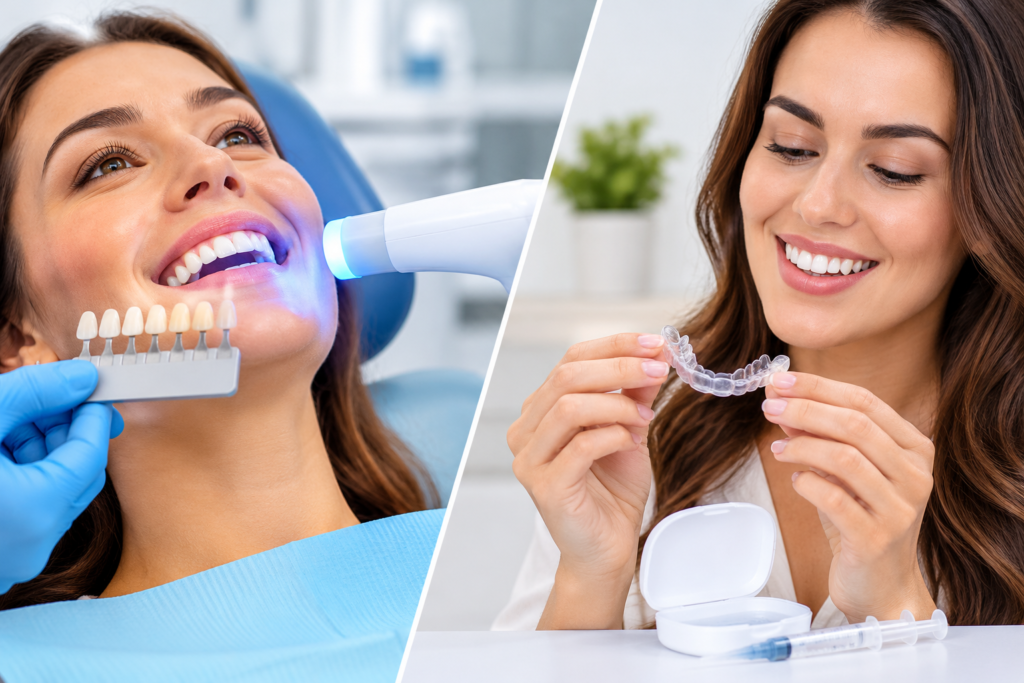
A bright smile can make you feel more confident and comfortable when meeting people. However, teeth can lose their natural colour over time due to coffee, tea, red wine, smoking, ageing, and certain foods. Dental teeth whitening is a popular cosmetic treatment that helps remove stains and make teeth look brighter.
Although many people are interested in this treatment, they often have questions about its safety. They may worry about tooth sensitivity, gum irritation, enamel damage, and other possible side effects. Understanding how whitening works and what precautions are needed can help you make the right decision.
The good news is that professional teeth whitening is generally safe when performed correctly and recommended by a dental professional. However, the treatment may not be suitable for everyone. If you are considering Dental teeth whitening Brisbane, knowing about the procedure, benefits, and possible risks can help you prepare for your appointment.
What Is Dental Teeth Whitening?
Dental teeth whitening is a cosmetic dental procedure that helps improve the colour of natural teeth by reducing stains and discolouration. It uses special whitening products that contain ingredients such as hydrogen peroxide or carbamide peroxide.
These ingredients work by breaking down the coloured particles responsible for stains. This helps make teeth appear lighter and cleaner.
Unlike regular brushing, which mainly removes surface dirt and plaque, whitening treatments can also help reduce deeper stains. The treatment can be performed at a dental clinic or through dentist-approved home whitening kits.
The right option depends on your tooth condition, the type of stains, and the results you want to achieve.
Is Dental Teeth Whitening Safe for Your Teeth?
Yes, professional teeth whitening is generally safe for healthy teeth when the correct products and methods are used. The whitening ingredients are designed to reduce stains without removing the natural structure of your teeth.
However, the safety of the treatment depends on how it is performed. Using strong whitening products too often or leaving them on longer than recommended may cause sensitivity and discomfort.
A dental check-up before treatment is important because existing dental problems can affect the results and your comfort.
If you are planning Dental teeth whitening Brisbane, a dental professional can examine your teeth and suggest a suitable treatment based on your oral health.
Can Teeth Whitening Damage Tooth Enamel?
Tooth enamel is the hard outer layer that protects your teeth from daily damage. Many people worry that whitening products may weaken or remove this protective layer.
When professional whitening products are used correctly, they are not generally associated with permanent enamel damage. Their main purpose is to break down stains rather than remove the tooth’s outer layer.
However, using whitening products incorrectly or too frequently may lead to temporary sensitivity and discomfort.
People with cracked teeth, cavities, worn enamel, or exposed tooth roots should be careful. These conditions may make whitening uncomfortable. A dental examination can help identify such problems before treatment begins.
Is Teeth Whitening Safe for Your Gums?
Teeth whitening is generally safe for gums when the whitening gel is applied carefully. However, the ingredients used in whitening products may irritate the gums if they come into direct contact with soft tissues.
Some people may notice mild redness, a burning feeling, or temporary soreness after treatment. These problems usually improve once the whitening product is removed.
Professional whitening treatments often use protective materials to cover the gums and reduce direct contact with the gel.
People who have gum disease, bleeding gums, swelling, or existing gum infections should have these problems checked before starting treatment. Healthy gums are important for a comfortable whitening experience.
What Are the Common Side Effects of Teeth Whitening?
Although professional whitening is generally safe, some people may experience temporary side effects. These effects are usually mild and depend on the treatment method and individual tooth sensitivity.
1. Tooth Sensitivity
Tooth sensitivity is one of the most common side effects. You may feel discomfort when eating hot or cold foods or drinking cold water.
This usually happens because whitening ingredients can temporarily increase the sensitivity of your teeth. The discomfort normally improves within a few days.
2. Gum Irritation
Whitening gel may cause irritation if it touches the gums. You might notice redness, mild swelling, or a burning feeling.
Correct application and gum protection can help reduce this risk.
3. Uneven Whitening
Not all teeth respond to whitening in the same way. Existing fillings, crowns, and veneers do not become lighter like natural teeth.
This may create differences in colour between natural teeth and dental restorations.
4. Temporary Discomfort
Some people experience mild discomfort during or after treatment, especially if they already have sensitive teeth. Following the recommended treatment instructions can help reduce this problem.
What Factors Can Affect the Safety of Teeth Whitening?
Every person has a different dental condition, so the same whitening treatment may not work equally well for everyone. Certain problems can increase the chances of sensitivity or gum irritation.
The following factors should be considered before starting treatment:
- Existing cavities: Untreated cavities may cause discomfort when whitening products are applied.
- Gum problems: Inflamed or infected gums may become more irritated.
- Sensitive teeth: People with sensitive teeth may experience more discomfort.
- Damaged enamel: Worn or damaged enamel can increase sensitivity.
- Dental restorations: Fillings, crowns, and veneers do not respond to whitening products.
- Frequent whitening: Using whitening products too often may increase the risk of side effects.
A dental professional can check these conditions and help you choose an appropriate treatment.
Professional Teeth Whitening vs At-Home Whitening
There are different ways to whiten teeth, but each method has its own benefits and limitations.
Professional whitening is performed or supervised by a dental professional. Your teeth and gums are checked before treatment, and the whitening product is selected according to your dental condition.
At-home whitening products include strips, gels, and trays. Some dentist-approved options can provide good results when used correctly. However, using products without proper guidance may increase the risk of gum irritation and tooth sensitivity.
If you are searching for Dental teeth whitening Brisbane, it is important to understand the available options and choose a method that suits your oral health.
Who Should Avoid Teeth Whitening?
Teeth whitening is suitable for many adults, but some people may need to delay treatment or avoid it.
People with untreated cavities, active gum disease, cracked teeth, or severe sensitivity should consult a dentist before whitening. These conditions may need treatment first.
Pregnant and breastfeeding women are generally advised to postpone cosmetic whitening because there is limited safety information about bleaching treatments during these periods.
Children and teenagers should also avoid cosmetic whitening unless a dental professional specifically recommends it. Their teeth may still be developing.
People with crowns, veneers, and visible fillings should understand that these materials will not change colour during whitening. This may affect the final appearance of their smile.
How Can You Make Teeth Whitening Safer?
Taking proper care before and after whitening can help reduce discomfort and support better results.
Get a Dental Check-Up
Before starting treatment, visit a dental professional to check your teeth and gums. Any cavities, gum infections, or other dental problems should be addressed first.
Follow the Recommended Instructions
Always follow the recommended treatment time and instructions. Leaving whitening gel on your teeth for longer does not guarantee better results and may increase sensitivity.
Maintain Good Oral Hygiene
Brush twice daily using a soft-bristled toothbrush and clean between your teeth regularly. If you experience sensitivity, your dentist may suggest a suitable toothpaste for sensitive teeth.
Avoid Whitening Too Often
Repeated whitening treatments may increase sensitivity and gum irritation. Once you achieve your desired shade, follow your dentist’s advice about maintenance and future treatments.
How Long Do Teeth Whitening Results Last?
The results of teeth whitening can last for several months or longer. However, the duration depends on your eating habits, oral hygiene, and lifestyle.
Drinking coffee, tea, and red wine regularly may cause new stains to develop. Smoking can also affect the brightness of your teeth.
To maintain your results, brush regularly, attend dental check-ups, and limit foods and drinks that may stain your teeth. Your dentist can also advise whether occasional maintenance treatment is suitable.
When considering Dental teeth whitening Brisbane, ask about the expected results and how to keep your teeth looking brighter for longer.
Summary
Dental teeth whitening is a popular way to improve the appearance of your smile and reduce unwanted stains. When performed correctly and under professional guidance, it is generally safe for healthy teeth and gums. However, temporary sensitivity and gum irritation are possible, so it is important to follow the recommended instructions and take proper care of your oral health.
Before choosing a whitening treatment, have your teeth and gums checked to make sure the procedure is suitable for you. Avoid excessive whitening and always choose a method that meets your dental needs.
If you are considering Dental teeth whitening Brisbane, White and Bright can help you explore suitable whitening options for a brighter-looking smile. Taking the right steps before treatment can help you enjoy your results while keeping your teeth and gums healthy.
Frequently Asked Questions
1. Does Teeth Whitening Permanently Damage Tooth Enamel?
Professional teeth whitening does not generally cause permanent enamel damage when performed correctly. However, excessive use or unsuitable products may increase sensitivity. A dental check-up can help determine whether your teeth are suitable for treatment.
2. How Often Can I Get My Teeth Whitened?
The frequency depends on your dental health, the whitening method, and your desired results. Repeated treatments should only be considered after professional advice to avoid unnecessary sensitivity and irritation.
3. Can Teeth Whitening Cause Gum Problems?
Whitening products may cause temporary gum irritation if they come into direct contact with soft tissues. Proper application and protective measures can reduce this risk. Existing gum problems should be treated before whitening.
4. Is Professional Teeth Whitening Better Than Home Whitening Kits?
Professional whitening provides dental assessment, suitable product selection, and expert guidance. Some dentist-approved home kits can also work well. The right option depends on your dental condition, treatment needs, and comfort.
5. Can People With Sensitive Teeth Get Whitening Treatment?
People with sensitive teeth may still be suitable for whitening, but they should consult a dentist first. The dentist can identify the cause of sensitivity and recommend a suitable treatment to reduce discomfort.
