The commercial real estate is fluctuating as businesses adapt to new work patterns, digital transformation, and shifting urban structures. With time, selecting the right commercial property will require more than just evaluating price and location. Investors and occupiers must consider flexibility, infrastructure availability, and long-term market stability. Understanding these factors can help reduce risk and ensure sustainable value creation.
1. The Shift Towards Emerging Locations
Location remains essential, but in the coming years, the primary focus will be on basic road access and proximity to commercial areas. Small markets with good infrastructure growth, upcoming metro connectivity, and expanding residential areas are gaining preference. Cities such as Ghaziabad are increasingly being considered for their commercial potential, driven by planned urban development and an improved business environment.
For investors, when assessing a project, consider future infrastructure plans, ease of employee transportation, consumer accessibility, surrounding commercial activity, and potential footfall.
2. Flexibility of Space and Design
Growing businesses require adaptable spaces that can keep up with changing operational needs. When evaluating a commercial property, always consider whether the layout can adapt to changing business needs. It’s important to verify that the power system is reliable, with proper backup systems in place, and that connectivity can support other operational demands.
Additionally, the project should comply with safety regulations and incorporate basic features, as these are essential to tenant requirements and regulatory compliance.
3. Technology Integration and Smart Features
Technology is becoming an essential element for commercial real estate. Features like smart access control, energy-efficient systems, and digital facility management will be standard tenant requirements. Properties that integrate these technologies generally have higher retention rates and lower operational expenses, resulting in more stable returns.
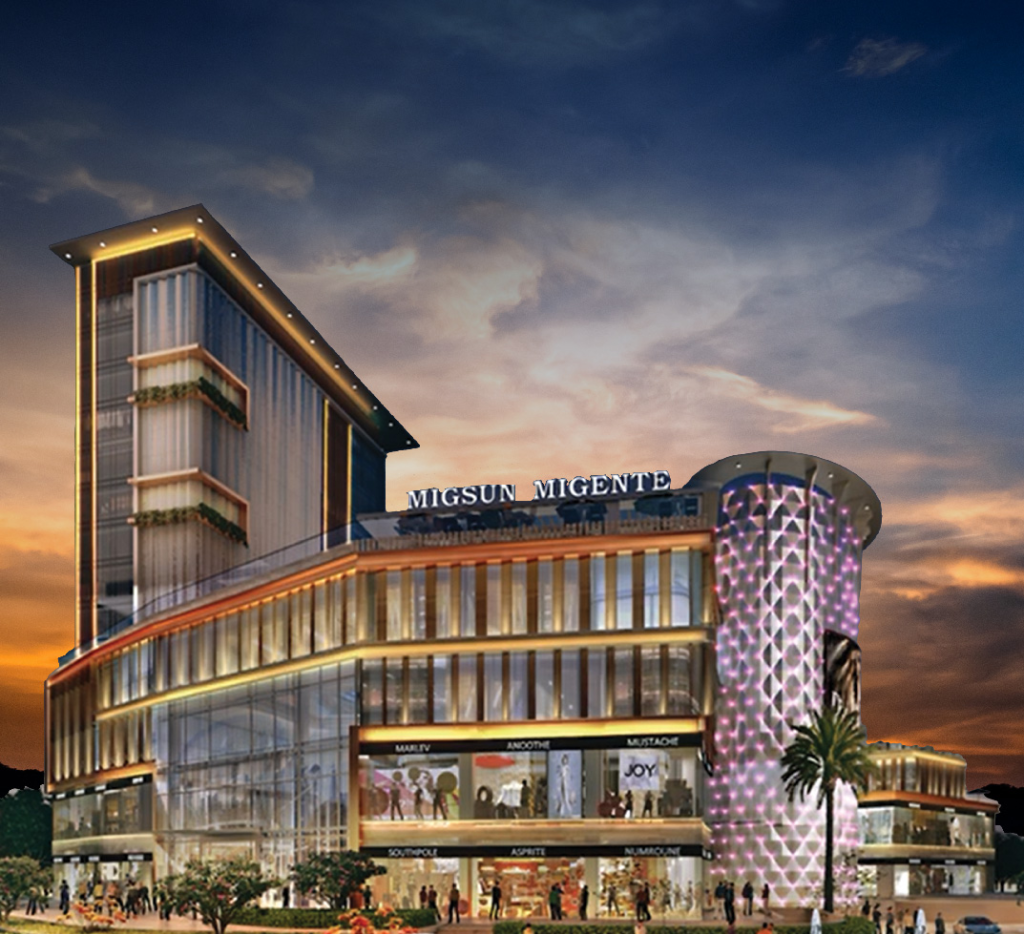
Emerging commercial developments, such as Migsun Migente by Migsun Group, align with modern business requirements and support investors’ interests.
4. Tenant Ecosystem and Demand Stability
A good commercial property should have a balanced tenant system. Mixed-use developments with offices, retail, and daily-need services generate consistent footfall and activity throughout the day. That attracts diverse occupiers tend to be more resilient during economic fluctuations.
5. Financial Transparency and Cost Structure
Rent is just one part of the financial picture. Investors and occupiers need to understand the full financial commitment. Which includes:
- Maintenance and common area charges
- Lease escalation terms
- Renovation responsibilities
- Exit and contract renewal clauses
Clear cost structures enable accurate return-on-investment calculations and long-term financial planning.
6. Regulatory Compliance and Risk Mitigation
Regulatory compliance will remain a critical consideration. Commercial properties must have clear approvals, defined use permissions, and compliance with local development regulations. Properties that are ready to occupy or nearing completion help reduce uncertainty around timelines and approvals.
7. Long-Term Growth and Exit Potential
Commercial property selection should align with long-term growth objectives. Evaluating surrounding infrastructure projects, future commercial supply, and the area’s economic factors can help assess an investment’s appreciation potential and exit liquidity.
Developments in emerging business zones benefit from long-term urban growth trends rather than short-term demand fluctuations.
Conclusion
Selecting a commercial property in the coming years requires a comprehensive evaluation of location dynamics, infrastructure adaptability, technology integration, tenant systems, and financial clarity.
In markets such as Ghaziabad, where commercial real estate is growing alongside infrastructure development, due diligence on the quality of commercial projects is essential. Reviews and assessments, including credible ones, emphasise the importance of strong fundamentals and reliable execution.
Emerging developments, which align with modern business needs and commercial trends, such as of Migsun Ghaziabad’s genuine review, can support sustainable commercial success for potential investors and occupiers through their projects.
