High-call environments have a way of exposing weaknesses very quickly. When call volume is low, almost any setup feels manageable. Agents answer calls, customers wait a little, and things move on. But once traffic spikes—during campaigns, seasonal demand, outages, or rapid business growth—everything that looked “fine” starts breaking down.
This is usually when businesses begin questioning their IVR system. Not whether they have one, but whether it’s actually helping or just adding another layer of frustration.
An effective IVR System doesn’t announce itself. When it works well, callers barely notice it. When it doesn’t, customers complain within seconds.
High Call Volume Changes the Role of IVR Completely
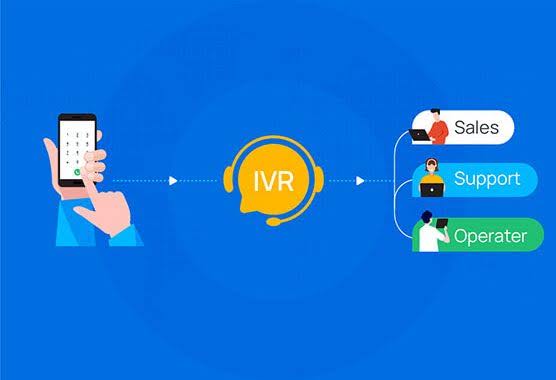
In low-volume situations, IVR is often treated as a simple menu. “Press 1 for sales, press 2 for support.” It’s functional, but not critical.
In high-call environments, that approach stops working.
Here, IVR becomes the first real decision point in the customer journey. It decides who waits, who gets through, who gets delayed, and who gives up. A poorly designed IVR doesn’t just slow things down—it amplifies chaos.
The difference between an effective and ineffective IVR isn’t the number of options. It’s whether the system reduces pressure or adds to it.
Speed Matters More Than Structure
One of the biggest mistakes businesses make is overloading IVR menus. The thinking is logical: more options mean better routing. In reality, long menus frustrate callers, especially when lines are busy.
In high-call environments, an effective IVR System prioritizes speed over completeness. It gets callers where they need to go with minimal input. Fewer choices, clearer language, and faster routing matter far more than offering every possible option upfront.
When call volume is high, every extra second in the IVR multiplies across hundreds or thousands of calls.
Callers Don’t Want Menus — They Want Resolution
Another overlooked point is intent. Callers don’t think in departments. They think about problems.
A strong IVR design reflects that. Instead of routing based purely on internal teams, it aligns options with what callers are actually trying to do. This reduces misrouting and repeat transfers, which become major bottlenecks when call traffic is heavy.
In high-call environments, even small routing errors create queues that are hard to recover from.
Flexibility Becomes Non-Negotiable
Call patterns are rarely stable. A campaign goes live. A system update triggers support calls. A service disruption floods lines unexpectedly.
An effective IVR System can adapt quickly. Menus can be changed, messages updated, and routing adjusted without long delays or technical hurdles. Static IVR setups that require constant backend intervention simply can’t keep up when call volume fluctuates.
Flexibility isn’t a “nice to have” at scale—it’s survival.
Smart Call Distribution Reduces Pressure Everywhere
IVR doesn’t work in isolation. Its real value shows when it connects intelligently with call routing logic.
In high-call environments, effective IVR systems work alongside distribution rules that consider agent availability, skills, and current load. This prevents situations where one team is overwhelmed while another sits idle.
The goal isn’t perfect balance—it’s avoiding extremes that lead to missed calls and abandoned queues.
Handling Surges Without Breaking the Experience
High call volume often comes in waves. Outbound campaigns, notifications, or alerts can cause sudden spikes.
This is where tools like a call blaster are sometimes used to push messages at scale. While these tools are effective for outbound communication, they can unintentionally trigger inbound call floods when customers respond all at once.
An effective IVR System anticipates this. It provides clear messaging, sets expectations, and routes calls intelligently so surges don’t overwhelm agents. Without this coordination, even well-planned campaigns can backfire.
Clear Messaging Reduces Repeat Calls
When call volume is high, clarity saves time.
Effective IVR messaging answers common questions before callers reach an agent. Status updates, timelines, or self-service options reduce unnecessary transfers. This doesn’t eliminate calls, but it filters them so agents focus on conversations that actually need human input.
Poorly written IVR messages, on the other hand, create confusion. Confused callers press random options, increasing misroutes and queue times.
Data Is What Separates Guesswork From Improvement
One of the biggest advantages of a modern IVR System is visibility. In high-call environments, decisions can’t be based on assumptions.
Effective systems provide insight into:
- Where callers drop off
- Which options are overused or ignored
- How call paths change during peak times
This data helps businesses refine their IVR over time. Not through massive redesigns, but through small adjustments that reduce friction.
A Good IVR Doesn’t Replace Humans — It Protects Them
There’s a misconception that IVR exists to keep callers away from agents. In reality, its role in high-call environments is to protect agents from overload.
When IVR filters, routes, and prioritizes calls properly, agents spend more time solving problems and less time apologizing for delays. That reduces burnout, errors, and turnover—issues that often worsen during periods of high call volume.
Why Effectiveness Is About Design, Not Features
Many IVR failures aren’t technical. They’re design failures.
An effective IVR System isn’t defined by how advanced it sounds, but by how little effort it demands from callers. It respects time, reduces confusion, and adapts to pressure instead of collapsing under it.
In high-call environments, that difference is obvious within minutes.
Final Thought
High call volume doesn’t create problems—it reveals them.
An IVR that works well during quiet hours but fails under pressure isn’t effective. The systems that succeed are the ones designed with real-world traffic in mind, not ideal conditions.
When IVR is treated as a strategic layer rather than a checkbox feature, it becomes one of the most reliable tools for maintaining control, clarity, and customer trust—no matter how busy the lines get.
