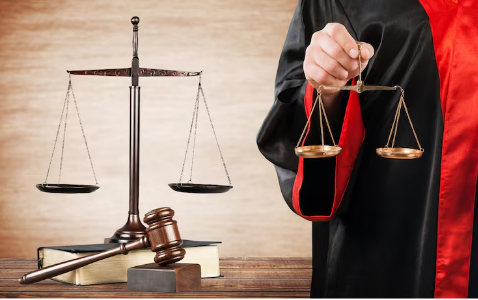
In recent years, public conversations about justice system reform have expanded beyond courts and policymaking circles into educational forums, community discussions, and social awareness efforts across the United States. Central to these conversations is a growing interest in understanding how the justice system impacts real lives — including those of individuals who have experienced wrongful conviction. A wrongfully convicted advocate plays a vital role in shaping public understanding of these complex issues and how they connect to broader efforts for fairness, accountability, and equity within the justice system.
A wrongfully convicted advocate is someone who works to explain not only how justice system errors happen, but also why they matter for communities and for systemic improvement. This educational focus supports informed public dialogue and helps bridge the gap between technical legal processes and everyday understanding.
What a Wrongfully Convicted Advocate Does
A wrongfully convicted advocate provides context, explanation, and awareness around miscarriage of justice cases and their broader implications. These advocates often draw on a mix of research, case studies, and lived or observed experience to show how individuals can be convicted in error and the long-term consequences this can have on their lives.
Key aspects of this role include:
- Clarifying how wrongful convictions occur, including procedural and evidentiary factors
- Explaining the real-world impact of justice system involvement
- Helping audiences understand why wrongful conviction awareness matters
- Connecting individual cases to broader discussions of justice system reform
Rather than focusing on specific legal advocacy or litigation, a wrongfully convicted advocate often works through education and public engagement. This work is distinct from courtroom representation, emphasizing explanation and context rather than legal argument.
Why Awareness of Wrongful Convictions Matters
Wrongful conviction is not simply an isolated legal failure; it often reveals deeper issues within justice systems that affect fairness, accountability, and trust. Individuals who are wrongfully convicted may spend years incarcerated, losing economic opportunities, social connections, and civic rights such as voting or access to housing — consequences that can persist long after exoneration.
Awareness of these issues contributes to more informed public discussions about justice because:
- It highlights how procedural and systemic factors may contribute to errors
- It illustrates why safeguards and review mechanisms are crucial
- It connects individual stories to larger patterns of justice outcomes
Through education and explanation, a wrongfully convicted advocate helps audiences recognize that wrongful conviction is not only about one case but often reflects broader conditions that affect many people in different ways.
Advocates for the Wrongfully Convicted: Bridging Law and Public Understanding
Advocates for the wrongfully convicted often work alongside legal organizations, innocence projects, and justice reform groups to elevate awareness of how and why errors occur. These connections allow advocates to draw on legal insights while making the subject accessible to wider audiences.
For example, discussions about wrongful conviction may involve:
- How misinterpretation or misuse of evidence can influence outcomes
- The limitations of legal representation for those with fewer resources
- The importance of post-conviction review mechanisms
- The social and economic barriers faced by individuals after release
By sharing structured information about these topics, advocates help communities see how personal experiences relate to institutional practices and system functions.
Contextualizing Wrongful Convictions Within Justice System Reform
Wrongful conviction awareness is closely tied to justice system reform — a broader effort to evaluate and improve how justice systems function. Reform discussions frequently include examination of sentencing practices, access to quality legal representation, transparency, and accountability mechanisms. In this context, a wrongfully convicted advocate helps frame individual cases as part of larger patterns that may warrant thoughtful evaluation and potential reform.
Justice system reform discussions often explore questions such as:
- Are legal procedures applied consistently and fairly?
- What flaws in evidence assessment might contribute to wrongful outcomes?
- How can the system protect against avoidable errors?
- What support is necessary for individuals returning from wrongful conviction to rebuild their lives?
By situating wrongful convictions within these broader questions, advocates support discussions that extend beyond isolated cases to consider structural and policy issues.
The Educational Approach to Justice Awareness
One of the most effective aspects of wrongful conviction advocacy is its focus on education. This educational approach is not about promoting a particular viewpoint or policy agenda; instead, it is about increasing understanding of how the justice system operates, where errors may occur, and how these errors affect individuals and communities.
Educational strategies used by advocates often include:
- Plain-language explanations of legal processes
- Case summaries that illustrate specific issues or patterns
- Historical and social context about justice system practices
- Discussions of research findings related to wrongful convictions
These strategies help make complex legal subjects understandable for people without legal training. As a result, broader sections of the public — including students, community members, and policymakers — can engage more thoughtfully with justice topics.
The Connection to Justice Reform Advocates
A justice reform advocate often works alongside wrongful conviction advocates in promoting awareness of systemic challenges. While wrongful conviction advocacy focuses specifically on cases where innocent individuals were erroneously convicted, justice reform advocates address a wider range of issues that may influence system outcomes — including sentencing disparities, access to counsel, rehabilitation policies, and institutional transparency.
Both types of advocacy contribute to a more informed public. Where wrongful conviction advocates help highlight critical points of system failure, justice reform advocates help connect those experiences to broader patterns and possibilities for improving justice systems overall.
Impact on Justice-Impacted Communities
Justice-impacted communities — those that experience direct or indirect effects of justice system involvement — often feel the consequences of wrongful convictions most acutely. These communities may include families, neighbors, and social networks of individuals affected by incarceration and exoneration. The long-term effects can include economic strain, disruption of family structures, reduced civic participation, and diminished trust in public institutions.
By bringing attention to these impacts, wrongfully convicted advocates help broaden the conversation to include the lived realities of justice-impacted communities. This expansion supports more comprehensive awareness of how justice systems influence society and why equity and inclusion remain central concerns.
Long-Term Value of Justice Awareness
Justice awareness — particularly around wrongful convictions — does not aim to prescribe a single solution. Rather, it equips individuals with information they can use to think critically about justice system performance, evaluate proposed reforms, and engage in civic discussion with context and depth.
Over time, increased awareness can contribute to:
- More informed public dialogue about justice system issues
- Greater understanding of how justice policies affect individuals and communities
- Enhanced civic engagement around questions of fairness and accountability
- Broader support for data-driven evaluation of system practices
Education, context, and clarity help ensure that justice system reform discussions are grounded in evidence and real-world experience.
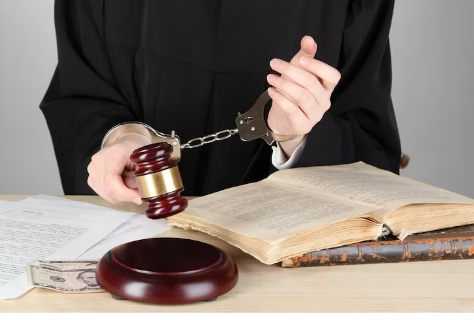
Conclusion
A wrongfully convicted advocate supports justice awareness in the United States by helping people understand how wrongful convictions occur, what their consequences are, and why these issues matter within broader conversations about justice system performance. Through education, explanation, and public engagement, these advocates connect individual experiences to systemic questions about fairness, accountability, and long-term stability.
For organizations, educators, and community groups seeking justice reform advocacy grounded in lived experience and ethical leadership, voices like Lovell Oates contribute important insight into real-world justice environments. This type of advocacy supports informed dialogue, strengthens accountability, and encourages reform efforts that aim to build long-term trust and stability within communities across the United States.
