Introduction to Dubai’s Real Estate Market
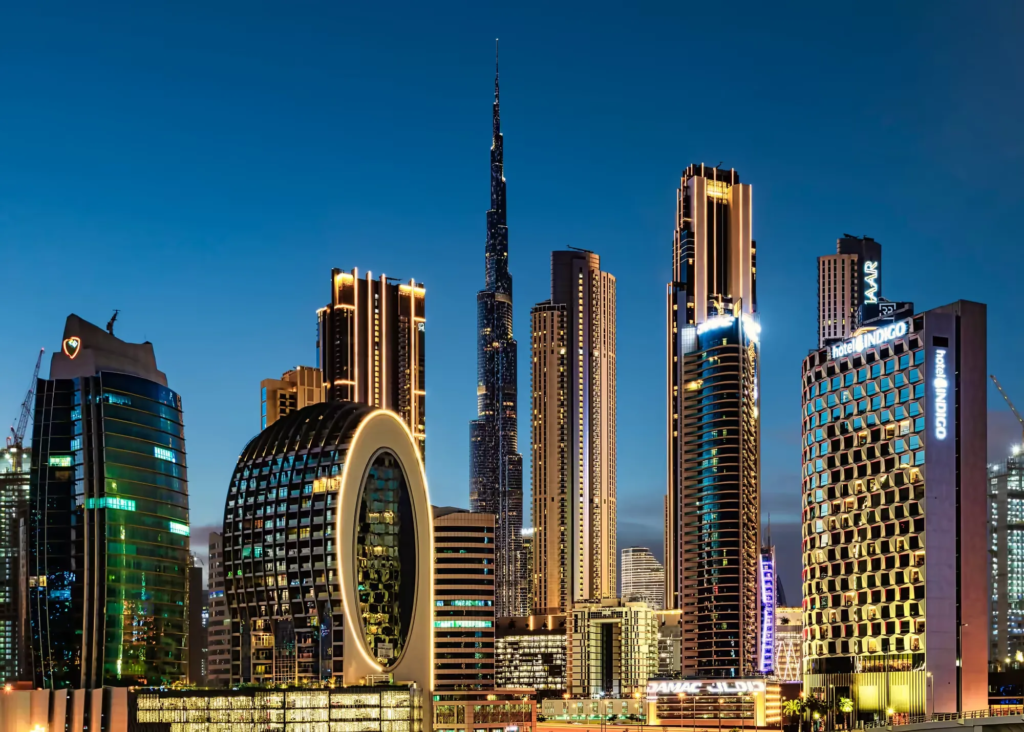
The real estate market of Dubai has become one of the most dynamic and attractive property markets in the world. Over the past two decades, Dubai has transformed from a regional trading hub into a global destination for tourism, business, and luxury living. This rapid transformation has directly influenced the growth of its property sector. Today, Dubai stands as a symbol of modern architecture, innovative urban planning, and high-return investment opportunities.
Investors from Europe, Asia, the Middle East, and North America consistently view Dubai as a secure and profitable market. Its strategic location between East and West, combined with strong infrastructure and investor-friendly policies, has created an ecosystem where real estate continues to thrive.
Iconic Landmarks Driving Property Value
Dubai’s skyline is one of the most recognizable in the world. Landmarks such as the Burj Khalifa are not only architectural achievements but also major contributors to surrounding property values. Areas near iconic attractions often command higher rental returns and resale prices due to their prestige and global recognition.
Another prime example is Palm Jumeirah, an artificial island that has become synonymous with ultra-luxury living. Waterfront villas, branded residences, and five-star resorts located there attract high-net-worth individuals seeking exclusivity and lifestyle excellence. Such developments enhance Dubai’s reputation as a city where ambition meets reality.
Tax Advantages and Investor-Friendly Policies
One of the most compelling reasons investors choose Dubai is its tax-free environment. There is no annual property tax, no capital gains tax, and no tax on rental income. This significantly increases net investment returns compared to many global cities.
Additionally, Dubai allows foreign nationals to own freehold property in designated areas. This means international buyers can have full ownership rights, which provides security and confidence in the market. Regulatory bodies ensure transparency in transactions, protecting both buyers and developers. These legal protections have strengthened Dubai’s image as a safe and well-regulated property market.
Residential Real Estate: Luxury and Affordability
Dubai offers a diverse range of residential options catering to various budgets and lifestyles. The luxury segment includes high-rise penthouses in Downtown Dubai, waterfront apartments in Dubai Marina, and exclusive villas on Palm Jumeirah. These properties often feature private pools, concierge services, smart home technology, and panoramic city or sea views.
At the same time, affordable housing communities such as Jumeirah Village Circle and Dubai South provide practical living solutions for middle-income families and professionals. These communities are designed with schools, parks, shopping centers, and healthcare facilities, making them ideal for long-term residence.
This balance between luxury and affordability ensures steady demand across multiple segments of the market.
Strong Rental Market and High Yields
Dubai’s population is largely composed of expatriates, which creates continuous demand for rental properties. Investors often purchase apartments specifically for leasing purposes. Compared to many international cities, rental yields in Dubai are considered attractive, typically ranging between 6% and 9% depending on the location and property type.
Properties near metro stations, business districts, and tourist attractions tend to generate higher occupancy rates. Short-term rentals have also grown in popularity, particularly in central locations, as Dubai remains a major tourist destination throughout the year.
Growth of Off-Plan Developments
Off-plan properties—units purchased before construction is completed—are a significant feature of Dubai’s market. Developers frequently launch new projects with flexible payment plans, making it easier for investors to enter the market with lower initial capital.
These projects often include modern designs, sustainable features, and world-class amenities. However, investors must carefully assess the developer’s reputation and project timeline to minimize risk. Established developers with strong track records typically offer greater reliability and investor confidence.
Impact of Mega Events and Global Exposure
Dubai’s international reputation has been strengthened by hosting global events such as Expo 2020 Dubai. Such events attract millions of visitors, investors, and businesses, stimulating both residential and commercial property demand.
Global exposure enhances Dubai’s brand value, making it a preferred destination for relocation and business expansion. Increased tourism and foreign investment naturally translate into higher real estate activity.
Commercial Real Estate and Business Expansion
Dubai is not only a residential hotspot but also a major commercial center. Business districts like Downtown Dubai and Business Bay host multinational corporations, startups, and regional headquarters. The government’s business-friendly environment, including free zones and simplified licensing processes, has encouraged companies to establish operations in the city.
This commercial growth fuels demand for office spaces, retail outlets, and mixed-use developments. As Dubai continues to diversify its economy beyond oil, commercial real estate remains a crucial pillar of development.
Safety, Stability, and Quality of Life
Safety and political stability are major factors influencing property investment decisions. The UAE consistently ranks among the safest countries globally, offering residents peace of mind. High-quality healthcare facilities, international schools, luxury shopping malls, and entertainment venues enhance Dubai’s appeal as a family-friendly city.
For many buyers, investing in Dubai real estate is not only about financial returns but also about enjoying a premium lifestyle in a secure environment.
Sustainability and Smart City Vision
Dubai has embraced sustainability as part of its long-term development strategy. Many new projects incorporate green building standards, energy-efficient systems, and eco-friendly materials. Smart home technology is increasingly common, allowing residents to control lighting, temperature, and security digitally.
The government’s commitment to sustainability ensures that future developments align with global environmental goals. This forward-thinking approach strengthens long-term property value and investor confidence.
Market Trends and Future Outlook
Dubai’s real estate market, like any global market, experiences cycles of growth and correction. However, improved regulations, escrow protections, and digital transaction systems have enhanced stability. Transparency in property registration and secure financial frameworks protect investors and maintain market integrity.
Looking ahead, population growth, economic diversification, and continued infrastructure expansion are expected to support sustained demand. Dubai’s ambition to become a leading global smart city further increases its attractiveness to investors worldwide.
Conclusion
Real estate in Dubai represents a unique combination of luxury, innovation, and strong investment potential. From iconic landmarks like the Burj Khalifa to exclusive communities such as Palm Jumeirah, the city offers opportunities for both high-end investors and middle-income buyers. Its tax advantages, high rental yields, global connectivity, and stable environment make it one of the most desirable property markets in the world.
As Dubai continues to expand and evolve, its real estate sector remains a cornerstone of economic growth and international recognition. Whether for personal living, rental income, or long-term capital appreciation, Dubai stands as a powerful symbol of modern property investment success.
