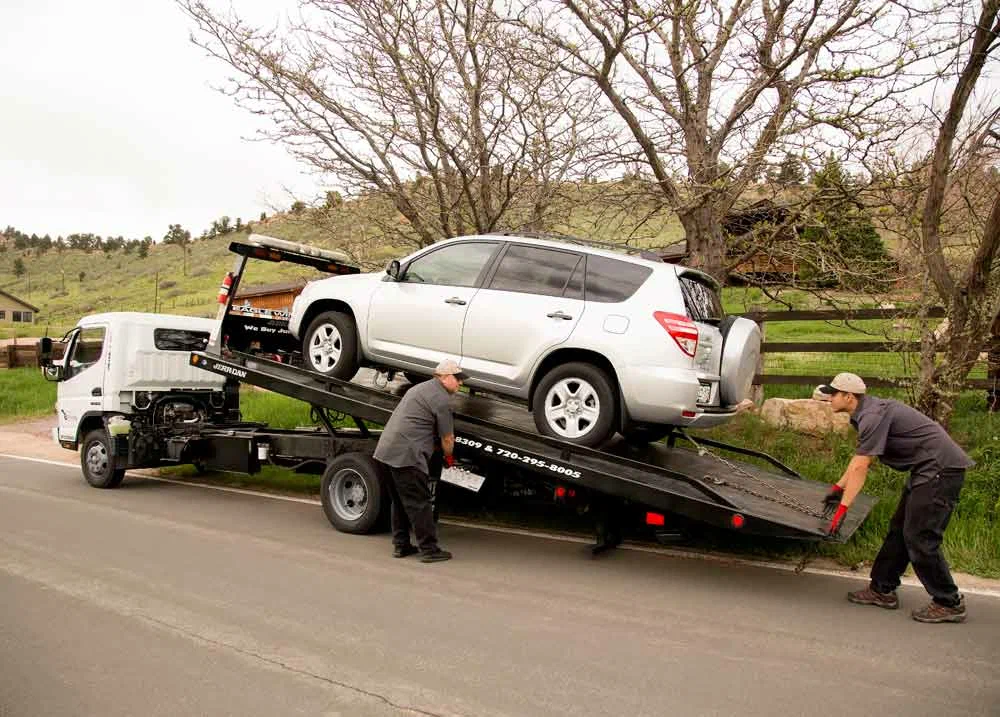
Towing a trailer or vehicle requires skill, awareness, and proper preparation. Accidents often result from simple oversights that could be avoided. Drivers must understand their vehicle’s limitations, follow recommended procedures, and maintain focus on the road. M&M Towing emphasizes the need for preparation, proper equipment, and responsible driving. Knowing frequent towing mistakes allows drivers to prevent accidents, reduce mechanical strain, and maintain safety for themselves and others. Proper planning and awareness make towing predictable and secure.
Misjudging Weight and Load Limits
One of the most common mistakes is overestimating a vehicle’s towing capacity. Exceeding weight limits can strain the engine, brakes, and suspension, increasing accident risk. Unevenly distributed loads may cause swaying or fishtailing. Drivers should consult the vehicle manual, check tire pressure, and balance cargo carefully. Using weight distribution devices can improve control. Understanding load limits and ensuring even weight allocation enhances stability, reduces mechanical stress, and prevents accidents. Regular checks before departure are essential for safe towing on highways and local roads.
Ignoring Proper Hitching Techniques
Incorrect hitching is a major cause of accidents. Many drivers fail to confirm that the hitch ball matches the trailer coupler or neglect safety chains. Locks should be secured, and equipment inspected for wear or compatibility. Small oversights can result in trailer detachment or swaying, risking both driver and public safety. Routine pre-trip checks, proper attachment, and the use of compatible equipment ensure stability and prevent dangerous situations. Correct hitching is a crucial step for every towing journey and contributes significantly to road safety.
Failing to Adjust Driving Habits for Towing
Towing alters driving dynamics and requires different habits. Drivers often overlook speed adjustments, braking distance, and turn anticipation. High speeds increase sway, while abrupt braking can cause jackknifing. Longer following distances give extra time to react safely. Smooth acceleration, gradual braking, and careful cornering are necessary to accommodate trailer weight and length. Proper adaptation ensures better control, reduces mechanical strain, and minimizes accident risk. Experienced towing drivers consistently adjust their behavior for safe handling under varying conditions.
Neglecting Trailer Maintenance
Trailer maintenance is frequently ignored, though it is essential for safe towing. Failing to inspect brakes, lights, tires, and couplings increases breakdown and accident risks. Routine checks help maintain stability and comply with road regulations. Tire tread depth, brake performance, electrical connections, and lubrication of moving parts must be verified regularly. A well-maintained trailer improves safety, prevents unexpected failures, and prolongs vehicle and trailer life. Consistent attention to trailer components ensures every journey remains predictable and reduces the likelihood of roadside emergencies.
Common Mistakes Drivers Make While Towing
Repeated errors compromise safety and confidence. Overloading the trailer, failing to secure cargo, and ignoring speed limits are major risks. Neglecting mirrors, braking abruptly, taking sharp turns, and skipping pre-trip inspections can lead to accidents. Awareness of these mistakes is critical for preventing mishaps. Adhering to basic safety rules, double-checking equipment, and practicing proper driving habits increases stability, control, and overall safety. Prevention and preparedness are key to avoiding common pitfalls that compromise towing safety.
Weather and Road Conditions: Adjusting Accordingly
Adverse weather affects towing significantly. Rain, snow, or strong winds amplify sway, skidding, and braking challenges. Drivers should reduce speed, increase following distance, and avoid sudden maneuvers. Seasonal tires and careful traction monitoring help maintain control. Understanding wind impact and planning routes around hazardous conditions improves safety. Proactively adjusting driving based on weather and road surfaces minimizes accidents and reduces stress on the towing vehicle and trailer. Anticipating environmental factors ensures every journey remains controlled, safe, and predictable.
Inadequate Use of Towing Equipment and Technology
Modern vehicles feature technologies like trailer brakes, sway control, and backup cameras. Drivers often underutilize or misconfigure these systems, compromising stability and visibility. Activating sway devices, calibrating brake controllers, and adjusting cameras enhance safety during reversing and maneuvering. Familiarity with the vehicle’s equipment builds confidence and reduces accident risk. Proper use of available towing technology ensures smoother handling, better braking response, and safer operation under complex driving conditions. Every driver benefits from understanding and utilizing these systems effectively.
Tips for Safe Towing Practices
Preparing for towing starts with checking the load, hitch, and vehicle systems. Confirm tire pressure, brake function, lights, and weight distribution. Plan routes to avoid sharp turns and steep inclines. Drive at moderate speeds, maintain extra following distance, and adjust braking gradually. Weather conditions should influence speed and maneuvering decisions. Use available towing technology to improve control. Routine inspection, responsible driving habits, and awareness of road conditions reduce risk. These practices build confidence and contribute to safe, stress-free towing experiences.
Conclusion:
Avoiding common towing mistakes requires focus, preparation, and knowledge. Inspect equipment, maintain trailers, adjust driving habits, and consider environmental conditions. Services like M&M Towing emphasize that safe towing protects vehicles, cargo, and passengers. Recognizing and correcting frequent errors prevents accidents, improves control, and extends the life of vehicles and trailers. Commitment to preparation and awareness transforms towing from a challenging task into a secure, manageable, and predictable experience. Safety is a responsibility that every towing driver must prioritize.
