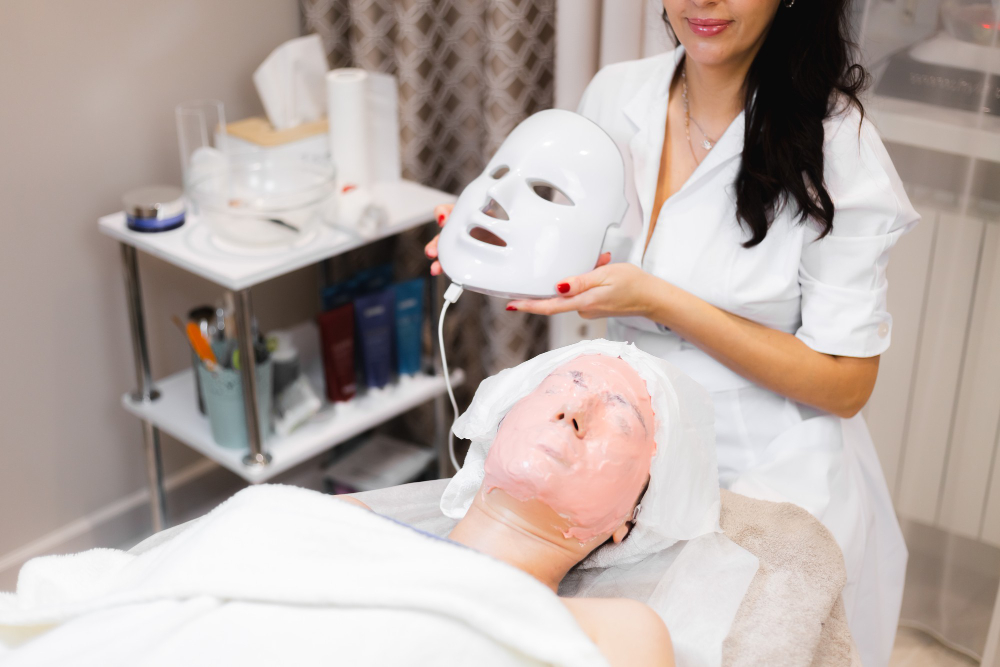
Dubai’s environment is demanding on the skin. Year-round sun exposure, high UV index, humidity that fluctuates with the seasons, constant air conditioning, and fine desert dust all contribute to dehydration, pigmentation, congestion, and premature aging. These conditions explain the rising demand for facial treatment Dubai clinics across the city. Yet from a professional standpoint, the real issue isn’t availability of treatments — it’s choosing the right one safely and realistically.
Years of hands-on observation in aesthetic and dermatology settings show a consistent pattern: many people select procedures based on popularity rather than suitability. Social media trends often overshadow medical assessment. Healthy skin, however, is rarely achieved through one viral treatment. It requires structured planning, proper evaluation, and ongoing care.
Understanding what truly works — and what doesn’t — helps patients avoid disappointment and unnecessary risk.
Why Skin Behaves Differently in Dubai
Professionals working in the UAE quickly notice recurring skin concerns:
- Persistent hyperpigmentation
- Sun-induced melasma
- Dehydration despite humid weather
- Adult acne triggered by sweat and occlusive products
- Early fine lines from UV exposure
Even individuals who follow consistent skincare routines at home often struggle because environmental stressors are intense. Topical products help, but sometimes they are not enough to reverse accumulated damage.
Clinical procedures can support skin health — but only when selected thoughtfully.
Understanding What “Facial Treatment” Really Means
The term “facial” is broad. In professional practice, it ranges from relaxing maintenance sessions to medically supervised procedures involving advanced equipment.
Generally, treatments fall into three categories:
1. Maintenance-Based Treatments
These include cleansing, exfoliation, mild extractions, hydration masks, and barrier-support therapies. They are suitable for regular upkeep and improving surface-level dullness.
2. Corrective Procedures
Chemical peels, microdermabrasion, and light-based therapies target concerns such as pigmentation, acne scarring, and uneven texture.
3. Regenerative Approaches
Microneedling and collagen-stimulating procedures aim to improve elasticity and reduce fine lines gradually.
Patients searching for the best facial treatment in dubai often expect a single superior option. In reality, the “best” choice depends entirely on skin type, medical background, and realistic goals.
The Role of Professional Assessment
Experienced practitioners begin with evaluation — not equipment.
A proper consultation considers:
- Skin type and pigmentation risk
- History of sensitivity or rosacea
- Current medications
- Hormonal influences
- Lifestyle and sun exposure habits
In Dubai, pigmentation management requires particular caution, especially for medium to darker skin tones. Overly aggressive treatments can trigger post-inflammatory hyperpigmentation.
A responsible provider explains both benefits and risks before proceeding.
Common Mistakes Seen in Practice
Following Trends Without Assessment
Carbon lasers, oxygen facials, and various resurfacing procedures may work well for some, but not for everyone. Skin biology matters more than popularity.
Over-Exfoliation
Excessive chemical peels or repeated abrasive treatments weaken the skin barrier. This can increase sensitivity and worsen pigmentation over time.
Skipping Sunscreen After Treatment
Even the most advanced facial treatment Dubai clinics cannot protect results if daily sun protection is ignored. Without SPF, pigmentation often returns quickly.
Choosing Based Only on Price
Deep discounts sometimes reflect shortened consultation time or lower-grade equipment. Experience and clinical oversight reduce risk significantly.
Pigmentation: The Most Frequent Concern
Hyperpigmentation is one of the leading reasons people seek professional skin care in Dubai. Melasma, sunspots, and post-acne marks are common.
Laser therapy and medical-grade chemical peels can improve uneven tone, but progress is gradual. Professionals often space sessions weeks apart to allow safe healing.
Patients expecting dramatic correction after one session are often disappointed. Realistic improvement typically occurs over several months with consistent care.
Acne in Adults: A Growing Issue
Heat and humidity contribute to clogged pores. Sunscreen layering, makeup, and sweat can worsen breakouts. Interestingly, many adult patients present with acne despite having clear skin during adolescence.
Targeted treatments focusing on controlled exfoliation, antibacterial support, and inflammation reduction can help. However, if hormonal imbalance is present, medical evaluation becomes necessary.
Surface treatments alone cannot address systemic triggers.
Seasonal Planning for Better Results
Seasonal timing plays an important role in skin procedures. During peak summer months, when UV exposure is intense, aggressive resurfacing treatments carry greater risk.
Winter is often a safer window for deeper corrective procedures, as patients typically experience lower sun intensity and fewer outdoor exposures.
Experienced practitioners adjust protocols accordingly rather than applying the same approach year-round.
What Actually Defines Quality Care
The phrase best facial treatment in dubai is widely used in advertising. From a clinical standpoint, quality is defined differently.
It involves:
- Thorough consultation
- Individualized treatment plans
- Evidence-based technology
- Clear aftercare instructions
- Honest discussion of limitations
No ethical provider guarantees flawless skin. Improvement is achievable; perfection is not.
The Importance of Aftercare
Post-treatment care significantly influences outcomes. Patients are usually advised to:
- Avoid direct sun exposure
- Use gentle, non-irritating skincare products
- Maintain hydration
- Apply broad-spectrum sunscreen daily
Ignoring aftercare instructions is one of the most common reasons results fall short.
Consistency matters more than intensity.
Balancing Cosmetic Goals with Skin Health
There is growing interest in aggressive anti-aging solutions. However, professionals emphasize gradual enhancement over rapid transformation.
Repeated heat-based procedures without adequate recovery can compromise skin integrity. Strengthening the barrier and preserving hydration provide longer-lasting benefits than frequent high-intensity treatments.
Healthy skin is built through steady maintenance, not shortcuts.
An Honest Perspective on Facial Treatment Dubai
The popularity of facial treatment Dubai services reflects both environmental realities and increasing awareness of skincare. When chosen responsibly, professional treatments can support hydration, reduce pigmentation, and refine texture.
However, success depends on careful assessment, realistic expectations, and ongoing maintenance. Patients seeking the best facial treatment in Dubai should prioritize expertise, transparency, and personalized planning over promotional claims.
In a city defined by strong sun and demanding climate conditions, skin health requires informed decisions rather than trend-driven choices. Sustainable results come from understanding one’s skin, respecting its limits, and working with qualified professionals who value safety as much as aesthetics.
Frequently Asked Questions (FAQs)
1. How often should someone get a facial in Dubai?
Every 4–6 weeks is common for maintenance, but corrective treatments may follow different schedules.
2. Are facial treatments safe for darker skin tones?
Yes, when performed by experienced professionals who adjust techniques to reduce pigmentation risk.
3. Is there downtime after advanced treatments?
Some procedures may involve mild redness or peeling for a few days, depending on intensity.
4. Can facials permanently remove pigmentation?
They can significantly improve it, but sun protection is essential to prevent recurrence.
5. How do I choose the right treatment for my skin?
Start with a professional consultation. Personalized assessment ensures safer and more effective outcomes.
