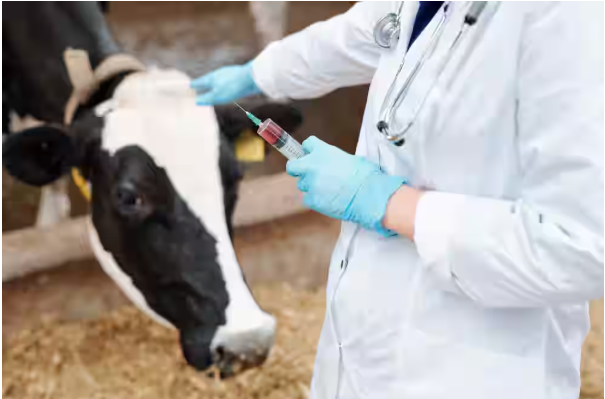
One of the most important choices a B2B business owner will ever make is selecting the best veterinary manufacturing company. Your manufacturing partner has a direct impact on the caliber of your products, the confidence your customers have in you, and the long-term viability of your company, regardless of whether you are a distributor, franchise operator, or reseller of veterinary products. With so many possibilities on the market today, it is imperative to have a methodical as well as well-defined decision process before committing to anything.
Verify Manufacturing Certifications and Compliance Standards
The identification of a veterinary manufacturing company that has all the necessary qualifications and follows the requirements of regulatory bodies completely is the initial step to choose one. Ensure government licenses, GMP certifications and clearances on the relevant veterinary drug regulatory bodies. When working in an approved facility, a manufacturer will be professional, responsible, and show honest commitment to safety. In the business-to-business (B2B) set-up, being linked to an irresponsible manufacturer may have significant legal and reputational consequences later on.
Inspect the Depth and Diversity of Their Product Line
A manufacturing company that is worth working with should have a broad along with well-developed product catalog that fits your organization’s needs. Examine whether they offer a variety of animal species, including companion animals, cattle, and poultry, along with aquaculture. A wide range of products with scientific support not only expands your company’s market reach but also eliminates the need to source from several different suppliers. Having all of your supplies in one place makes things easier and gives your customers a more consistent and dependable product experience.
Assess Their Research, Development and Innovation Capacity
Since the veterinary sector is always changing, a progressive manufacturing partner must be making significant investments in R&D. An innovative business frequently launches new product categories, enhanced formulations, and answers to new problems in animal health. In evaluating potential partners, enquire about the capabilities of their R&D, their future product pipeline and how often they upgrade their formulations. Working with a progressive manufacturer would ensure that your organization is competitive, up to date, and ready to meet the demands of the ever-changing market.
Evaluate Production Capacity and Order Fulfilment Reliability
A reliable supply is a must for any business-to-business deal. Consider the production capacity and the capability of the manufacturer of a product to meet the orders within the set timeframes and when there is a high demand before making a selection. Delays in supply will ruin the promises of your clients and will taint the relationships that you have struggled to create. An honest manufacturer maintains modern facilities of production, systems of inventory management, and free channels of communication to ensure that your orders are received, dispatched and delivered in time without unnecessary delays and excuses.
Conclusion
It takes time, research, and a firm grasp of what your organization actually needs to choose the top veterinary products manufacturers. Making this choice too quickly may result in poor product quality, interrupted supply, and strained customer relations. Spend some time assessing each possible mate in light of these helpful suggestions, and always put long-term compatibility ahead of immediate convenience. The ideal manufacturing partner will actively support your company at every level of expansion, not merely provide supplies.
FAQs
1. How do I choose the best veterinary manufacturing company?
To choose the best veterinary manufacturing company, verify certifications (GMP and government licenses), assess product range, evaluate R&D capabilities, and review production capacity and order fulfillment reliability. Companies like Petvet Healthcare focus on quality, compliance, and long-term B2B partnerships.
2. Why are GMP certifications important in veterinary manufacturing?
GMP (Good Manufacturing Practices) certifications ensure veterinary products are manufactured under strict quality control standards, guaranteeing safety, consistency, and regulatory compliance.
3. What certifications should a veterinary products manufacturer have?
A reliable veterinary manufacturer should have government drug licenses, GMP certification, and approvals from relevant veterinary regulatory authorities to ensure product safety and compliance.
4. Why is regulatory compliance critical when selecting a veterinary manufacturer?
Regulatory compliance protects your business from legal risks, product recalls, and reputational damage while ensuring the products meet national and international safety standards.
5. What product range should a veterinary manufacturing company offer?
A strong manufacturer should offer products for companion animals, livestock (cattle), poultry, and aquaculture to help distributors expand into multiple market segments efficiently.
6. How does product diversity benefit veterinary distributors and franchise owners?
Product diversity allows B2B partners to source multiple categories from one supplier, reducing procurement complexity, improving consistency, and increasing profitability.
7. Why is research and development (R&D) important in veterinary manufacturing?
Strong R&D ensures continuous product innovation, updated formulations, and solutions for emerging animal health challenges, keeping your business competitive.
8. How can I evaluate a veterinary manufacturer’s innovation capabilities?
Ask about their R&D team, product pipeline, frequency of new product launches, formulation upgrades, and investments in advanced technology.
9. How important is production capacity in a veterinary B2B partnership?
Production capacity determines whether a manufacturer can handle bulk orders and high-demand seasons without delays, ensuring uninterrupted supply for your customers.
10. What happens if a veterinary manufacturer fails to deliver orders on time?
Delayed deliveries can damage client relationships, reduce trust, and negatively impact your revenue and brand reputation.
11. How does inventory management impact order fulfillment?
Advanced inventory systems help maintain stock availability, reduce shortages, and ensure timely dispatch and delivery of veterinary products.
12. Why should B2B businesses prioritize long-term partnerships over low pricing?
Choosing a manufacturer based solely on low pricing may compromise quality and reliability. Long-term partnerships ensure stability, consistent quality, and business growth.
13. How does manufacturing quality affect my veterinary brand reputation?
High-quality products build customer trust, increase repeat purchases, and strengthen your brand’s credibility in the competitive veterinary market.
14. Is it better to work with a full-service veterinary manufacturing company?
Yes, partnering with a full-service manufacturer like Petvet Healthcare simplifies procurement, reduces operational costs, and ensures consistent product standards across categories.
15. Why is Petvet Healthcare a reliable veterinary manufacturing partner?
Petvet Healthcare focuses on certified manufacturing processes, diverse product portfolios, strong R&D investment, and dependable order fulfillment—helping B2B partners grow sustainably and confidently.
