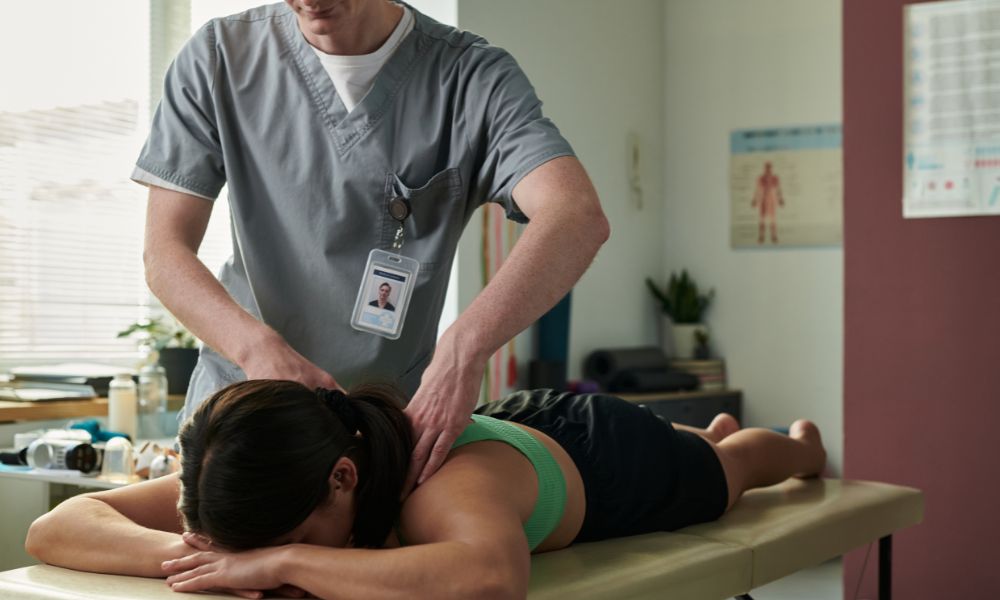
When you’re feeling pain, tight muscles, or stress, massage therapy can be a great solution. But with so many types of massage available, it can be confusing to know which one is best for your needs. Two of the most popular options are deep tissue massage and medical massage. While both aim to help with pain relief and muscle health, they are designed for different purposes and use different techniques. Understanding these differences can help you make the right choice for your health and well-being.
Deep tissue massage is often thought of as the “intense” massage that works out knots and stiff muscles. On the other hand, medical massage focuses on addressing specific health conditions, sometimes under the guidance of a healthcare professional. Deciding which massage is right for you depends on your personal goals, health status, and the type of relief you are looking for.
What is deep tissue massage?
Deep tissue massage is a type of massage that targets the deeper layers of muscles and connective tissue. Unlike a gentle or relaxing massage, deep tissue massage is stronger and often focuses on areas where you have chronic pain, tightness, or injury.
This massage uses slow, firm strokes and concentrated pressure to release tension in tight muscles and break up adhesions, which are bands of stiff tissue that can limit movement and cause discomfort. Therapists may use their hands, fingers, elbows, or forearms to reach deep layers of muscle.
Benefits of Deep Tissue Massage
Deep tissue massage is more than just a way to relax. It can provide long-term benefits for those dealing with muscle pain or stiffness, including:
- Relief from chronic pain, especially in the back, shoulders, and neck.
- Reduction of scar tissue and improved movement after injury.
- Release of tight muscles can improve posture and flexibility.
- Support for athletic performance and recovery.
- Stress relief through the release of built-up muscle tension.
Who Should Consider Deep Tissue Massage?
This type of massage is best suited for people who have chronic muscle tension, stiffness from physical activity, or stress-related tightness. Athletes, office workers, and anyone with posture-related discomfort often benefit the most. However, deep tissue massage may not be suitable for people with certain health conditions, such as blood clotting disorders, severe osteoporosis, or acute injuries.
What is Medical Massage?
Medical massage is a therapeutic approach that is tailored to treat specific medical conditions or injuries. Unlike deep tissue massage, which focuses mainly on muscle tension, medical massage is often part of a treatment plan recommended by a healthcare provider.
A medical massage therapist may use a combination of techniques depending on the patient’s condition. These techniques can include gentle strokes, deep tissue work, myofascial release, trigger point therapy, or lymphatic drainage. The main goal is to relieve symptoms, improve function, and help the body heal.
Benefits of Medical Massage
Medical massage can provide both short-term and long-term benefits for people dealing with medical issues:
- Pain relief from chronic or acute conditions.
- Improved mobility and flexibility, especially after surgery or injury.
- Reduced inflammation and swelling through techniques like lymphatic drainage.
- Enhanced blood flow to promote healing and tissue repair.
- Stress reduction, which can support overall recovery.
Who Should Consider Medical Massage?
Medical massage is ideal for people who have been diagnosed with a medical condition affecting muscles, joints, or circulation. It is also recommended for individuals recovering from surgery, injuries, or chronic illnesses. Consulting with a healthcare professional is important before starting medical massage, as sessions are tailored to specific medical needs.
How Deep Tissue and Medical Massage Differ
Although deep tissue and medical massage may sound similar, they have key differences:
- Purpose: Deep tissue massage focuses on relieving chronic muscle tension and soreness, while medical massage is intended to treat diagnosed medical conditions.
- Techniques: Deep tissue uses firm, concentrated strokes on deep muscles. Medical massage may use a variety of methods based on your condition.
- Assessment: Medical massage often involves an evaluation by a licensed therapist to create a treatment plan, while deep tissue massage is less formal in assessment.
- Focus: Deep tissue targets muscle layers and fascia. Medical massage focuses on condition-specific therapy for healing and rehabilitation.
Understanding these differences can help you choose the right type of massage and ensure that your sessions meet your health needs.
When to Choose Deep Tissue Massage
Deep tissue massage is a good choice when your main goal is to relieve muscle tension, improve flexibility, or support physical recovery. It can help with:
- Muscle stiffness and knots are caused by stress, exercise, or posture.
- Athletic recovery, such as after workouts or injuries.
- Posture-related discomfort from sitting or repetitive movements.
- Chronic pain that has not responded well to other treatments.
For example, someone who spends long hours at a desk may find relief from tight shoulders and back muscles through deep tissue massage.
When to Choose Medical Massage
Medical massage is more appropriate when you have a medical condition or are recovering from an injury or surgery. It can provide benefits such as the following:
- Supporting rehabilitation after surgery or physical therapy.
- Managing pain from chronic conditions like arthritis or fibromyalgia.
- Reducing inflammation or swelling in targeted areas.
- Improving circulation and tissue healing after injury.
A practical example is a patient recovering from knee surgery. Medical massage can help restore range of motion, reduce swelling, and support healing under professional guidance.
It’s worth noting that some practices, like SF Custom Chiropractic, integrate medical massage as part of a broader treatment plan. They provide tailored care that combines assessment and therapy to support recovery and improve overall health.
Combining Deep Tissue and Medical Massage
In some cases, deep tissue techniques can be included within medical massage treatments. This combination can provide the benefits of both approaches.
For instance, a therapist may use deep tissue work to relieve tight muscles while using medical massage techniques to address specific medical issues. This ensures that the therapy is both effective and safe. Athletes recovering from injury or people with chronic pain may find this combined approach particularly helpful.
Risks and Considerations
Both deep tissue and medical massage are generally safe when performed by trained professionals. However, there are some things to consider:
- Deep tissue massage: Can cause temporary soreness or bruising. It may not be suitable for people with certain health conditions, including acute injuries, osteoporosis, or blood disorders.
- Medical massage: Usually safer because it is tailored to your condition, but temporary fatigue or mild soreness may occur. It’s important to ensure that the therapist is trained in medical massage techniques.
Always discuss your medical history and current health concerns with your therapist before starting any massage.
How to Choose the Right Massage
Choosing the best type of massage depends on your goals and health needs. Here are some tips:
- Identify your primary goal: Do you want to relieve muscle tension, manage pain, or recover from a medical condition?
- Consult a professional: Talk to your healthcare provider or a licensed therapist, especially if you have health concerns.
- Evaluate intensity: Deep tissue massage can be intense, while medical massage is usually gentler and condition-specific.
- Monitor your response: Pay attention to how your body reacts to each session.
Conclusion
Deciding between deep tissue and medical massage depends on your individual needs.
Deep tissue massage is ideal for people who want to relieve muscle tension, improve flexibility, or support athletic recovery. Medical massage is better suited for those with medical conditions, post-surgery needs, or chronic pain that requires professional guidance.
In some cases, combining both approaches may provide the most effective results. Working with a licensed therapist ensures that your massage sessions are safe, effective, and tailored to your health goals. Understanding the differences between these massage types helps you make an informed choice for your wellness journey.
