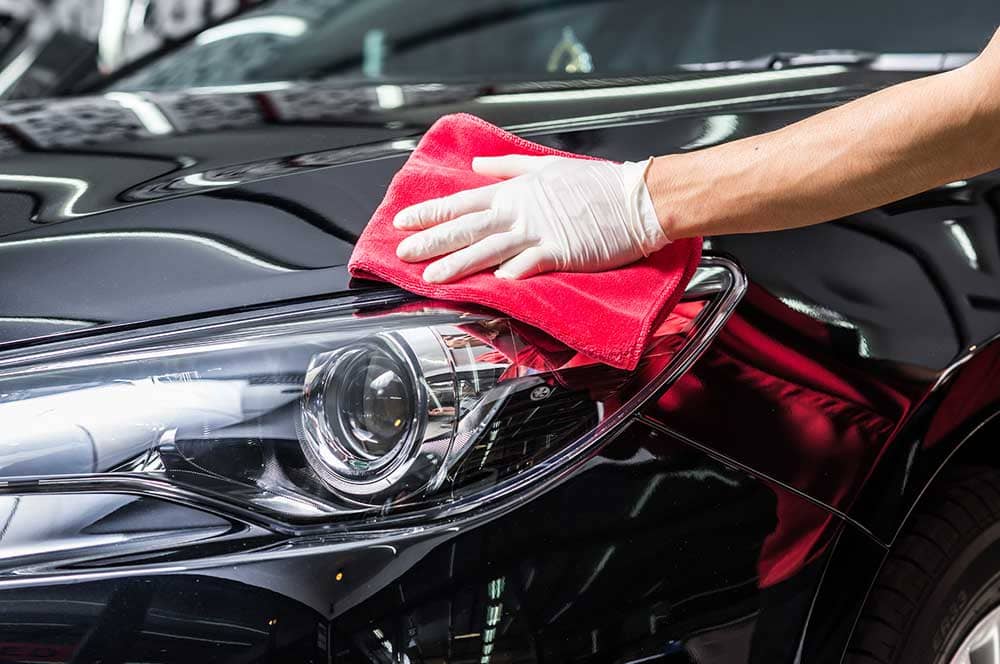
Car owners today are no longer limited to basic waxing or polishing when it comes to preserving their vehicle’s finish. Today, vehicle owners have access to coatings designed to last for years rather than weeks. Among these, graphene and ceramic technologies are often discussed together, especially in protection packages that pair graphene layers with 9H ceramic coating.
Naturally, this leads to a practical question many owners ask: which coating is best for car protection in everyday use? Looking at how ceramic and graphene work together makes it easier to understand why this combination has become increasingly common.
What 9H Ceramic Coating Really Indicates
The “9H” label refers to hardness on the pencil scale, a standard way of describing scratch resistance. When a 9h ceramic coating cures on paint, it forms a dense silica-based layer bonded to the clear coat. This layer adds resistance against light scratches, swirl marks, oxidation, and chemical staining.
Unlike wax, which sits loosely and wears away quickly, ceramic coating integrates with the surface at a microscopic level. That bond is what allows it to remain effective for years rather than months. The finish typically looks glossier as well, since the surface becomes smoother and more reflective.
At the same time, ceramic layers can be quite rigid. Under repeated heat expansion and contraction, something cars experience daily, that rigidity can slightly reduce long-term stability. This is where graphene changes the overall behaviour.
How Graphene Changes the Coating Behaviour
Graphene is a carbon-based material known for exceptional strength and heat conductivity. When used within or above ceramic coatings, it alters how the protective layer responds to temperature and environmental stress.
In simple terms, the coating becomes less prone to tiny stress fractures and maintains clarity longer under strong sunlight. The surface also tends to feel slicker, which reduces how firmly dirt or contaminants attach.
So graphene doesn’t replace ceramic protection; it complements it. The ceramic portion provides hardness and chemical resistance, while graphene improves flexibility, heat handling, and surface smoothness.
Why This Combination Suits Modern Automotive Paint
Modern vehicle paint systems are thinner than older finishes due to environmental regulations in manufacturing. They look deep and glossy but can mark more easily from improper washing, airborne dust, or environmental fallout.
Using a layered coating helps distribute protection roles. The ceramic base shields against oxidation, staining, and mild abrasion. The graphene element helps the surface cope with heat exposure and discourages contaminants from bonding tightly.
Together, they maintain gloss and clarity longer than either approach alone. Owners often notice that washing becomes easier and drying quicker because water doesn’t linger across the paint.
Durability in Real Driving Conditions
Everyday driving exposes paint to UV radiation, road residue, bird droppings, tree sap, and mineral-rich rainwater. Left unprotected, these elements slowly etch or dull the clear coat.
A properly applied graphene-reinforced 9H ceramic coating acts as a sacrificial interface. Contaminants interact with the coating layer rather than the paint beneath it. That reduces how often polishing is needed — important because polishing removes a tiny amount of clear coat each time.
For cars that spend long hours outdoors or see daily commuting, this translates into steadier gloss retention instead of gradual fading. Even after years, coated paint typically looks richer than untreated paint of similar age.
Practical Maintenance Advantages
Beyond appearance, owners notice changes in routine care. Dust releases more easily, so the car stays cleaner between washes.
Water behaviour is especially noticeable. Instead of spreading across panels, droplets tighten and roll away. This reduces spotting after rain and shortens drying time after washing.
The coating also offers some resistance to chemical staining. If contaminants like bird droppings are cleaned within a reasonable time, permanent marks are far less likely to develop. These day-to-day benefits often matter more than hardness numbers themselves.
Is It the Best Choice for Every Vehicle?
When discussing which coating is best for car protection, context matters. Ceramic-graphene systems excel at preserving gloss, clarity, and ease of maintenance.
They are not intended to absorb heavy stone impacts or deep scratches. For high-impact zones such as bumper edges or bonnet fronts, paint protection film may still be advisable. The coating then protects exposed painted areas around those zones.
For most passenger vehicles in normal city use, however, graphene-reinforced ceramic coatings provide a well-balanced combination of durability, appearance, and manageable upkeep.
Conclusion
Graphene-enhanced ceramic protection is an improvement on traditional ceramic coating, not a replacement. The 9H ceramic coating layer makes the surface hard and resistant to chemicals, while the graphene makes it flexible, smooth, and stable at high temperatures.
This combination gives owners who want to keep their paint looking good for a long time with little work reliable results in a wide range of climates and driving styles.
So, when deciding which coating is best for car care today, graphene-reinforced ceramic protection stands out as one of the more balanced choices. It helps keep the shine, protects the original finish for years instead of seasons, and reduces wear from the environment.
