
Sciatica pain can make daily life difficult, from sitting at work to walking comfortably. Many people searching for Sciatica Relief Sandy are looking for safe, long-term solutions that address the real cause of their nerve pain.
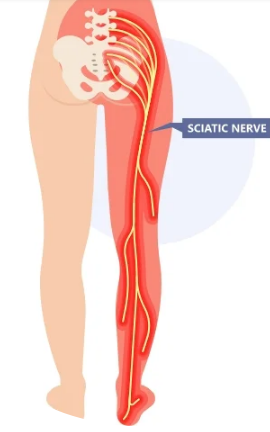
Sciatica is not just ordinary lower back pain. It happens when the sciatic nerve — the longest nerve in the body — becomes irritated, compressed, or inflamed. This nerve runs from the lower back through the hips and down each leg, which is why symptoms often travel beyond the back.
People experiencing sciatica often describe sharp pain, tingling, numbness, or burning sensations that move down the leg. For some patients, the discomfort becomes worse while sitting, bending, or standing for long periods.
Fortunately, physical therapy is one of the most effective and non-invasive ways to treat this condition. Instead of masking the pain with medication, therapy focuses on restoring proper movement, strengthening muscles, and reducing pressure on the nerve.
Sciatica Relief Sandy
Many patients dealing with sciatica wonder why the pain started in the first place. Understanding the underlying cause is the first step toward recovery.
Sciatica can develop due to several conditions affecting the spine and surrounding muscles. A herniated disc is one of the most common causes, where a spinal disc presses against the nerve. Other causes may include spinal stenosis, degenerative disc disease, muscle tightness in the hips, or poor posture during daily activities.
When the nerve becomes irritated, the body responds with pain signals that travel along the nerve pathway. That’s why sciatica symptoms often appear in the lower back, buttock, thigh, and sometimes even the foot.
Many people initially try rest or pain medication, but those solutions rarely fix the actual problem. What patients truly need is a treatment plan that improves mobility, reduces nerve pressure, and prevents future flare-ups.
Common Symptoms Patients Experience
People searching for treatment often experience a combination of symptoms that interfere with everyday life. While the intensity varies from person to person, the following signs are frequently reported.
- Pain radiating from the lower back into the buttock and leg
- Tingling or numbness in the leg or foot
- Sharp or burning pain while sitting
- Weakness in the affected leg
- Difficulty standing up after long periods of sitting
- Increased pain when bending, coughing, or twisting
If these symptoms continue for weeks, they can affect sleep, work productivity, and physical activity. Early treatment can significantly improve recovery time and prevent the condition from worsening.
Why Physical Therapy Is One of the Best Treatments for Sciatica
When patients begin searching for Sciatica Relief Sandy, many are hoping to avoid surgery or long-term medication use. Physical therapy provides a natural and effective option.
A physical therapist focuses on identifying the root cause of the nerve irritation rather than simply treating the symptoms. Every patient receives an individualized treatment plan based on posture, movement patterns, strength, and spinal mobility.
Treatment typically includes targeted exercises designed to relieve nerve compression and improve spinal alignment. Stretching tight muscles in the hips, hamstrings, and lower back often reduces tension on the sciatic nerve.
Strengthening the core muscles is another important component. When the abdominal and back muscles support the spine properly, pressure on spinal discs decreases, allowing the nerve to heal.
Manual therapy techniques may also be used to improve joint mobility and reduce muscle stiffness. In many cases, patients begin to feel noticeable relief after a few therapy sessions.
How Physical Therapy Helps Reduce Sciatica Pain
Physical therapy works because it addresses multiple factors contributing to sciatica. Instead of relying on a single treatment, therapists combine different techniques to restore healthy movement.
Here are some ways therapy can help patients recover:
- Gentle stretching exercises to reduce nerve tension
- Core strengthening to stabilize the spine
- Posture correction to prevent nerve compression
- Manual therapy to improve joint mobility
- Movement training to avoid positions that trigger pain
- Education on daily activities like lifting and sitting safely
This comprehensive approach helps reduce pain while also preventing future episodes.
Everyday Habits That Can Make Sciatica Worse
Many patients unknowingly aggravate their sciatica through everyday habits. Small changes in daily movement can significantly improve recovery.
Poor posture while sitting is one of the biggest contributors to sciatic nerve irritation. Sitting for long periods, especially without back support, increases pressure on the lower spine.
Lack of movement is another common factor. When muscles become stiff from inactivity, they can place additional strain on the back and hips.
Improper lifting techniques also increase the risk of sciatica flare-ups. Bending at the waist instead of the knees can place excessive pressure on spinal discs.
By learning proper movement mechanics and strengthening key muscle groups, patients can dramatically reduce the chances of recurring pain.
When to Seek Professional Treatment
Sciatica sometimes improves with rest and gentle movement, but persistent symptoms should be evaluated by a professional.
You may benefit from physical therapy if:
- Pain lasts longer than two weeks
- Leg numbness or weakness appears
- Sitting or standing becomes painful
- Daily activities become difficult
- Pain radiates below the knee
Early treatment often leads to faster recovery and helps prevent chronic nerve irritation.
Frequently Asked Questions
What is the fastest way to relieve sciatica pain?
The fastest relief often comes from a combination of gentle stretching, movement, and targeted physical therapy exercises. These approaches reduce nerve pressure and restore normal mobility.
Can physical therapy permanently fix sciatica?
Physical therapy can significantly improve or completely resolve symptoms for many patients by correcting posture, strengthening muscles, and addressing the underlying cause of nerve compression.
How long does sciatica recovery usually take?
Recovery time varies depending on the severity of the condition. Many patients begin feeling improvement within a few weeks of consistent therapy and guided exercises.
Is walking good for sciatica pain?
Yes, light walking can help keep the spine mobile and prevent stiffness. However, patients should avoid movements that trigger severe pain.
Do I need surgery for sciatica?
Most cases do not require surgery. Conservative treatments such as physical therapy, posture correction, and strengthening exercises successfully manage symptoms for the majority of patients.
Finding the Right Support for Long-Term Relief
If you have been struggling with persistent nerve pain, finding the right care provider can make a major difference. Professional therapy focuses on identifying the cause of the problem and guiding patients through safe recovery.
For individuals searching for Sciatica Relief Sandy, personalized physical therapy programs can help reduce pain, restore mobility, and improve overall quality of life.
At Precision Physical Therapy in Sandy, Utah, patients receive individualized care designed to address the root cause of their discomfort. Through targeted exercises, movement education, and hands-on therapy techniques, the goal is not just temporary relief but long-term recovery and improved function.
