The Hidden Battle at Every Commercial Entrance
Walk into a restaurant kitchen, a food processing unit, or a busy warehouse, and you’ll notice one common challenge: the constant opening and closing of doors. While these doors allow people, goods, and supplies to move efficiently, they also create an invisible pathway for dust, heat, and insects.
For businesses that prioritize hygiene and safety, this can become a serious problem.
Flying insects entering food service areas, warm outside air disrupting temperature-controlled environments, or dust contaminating production zones can quickly compromise both cleanliness and compliance. In industries where sanitation is tightly regulated, even small lapses can lead to operational disruptions or reputational damage.
This is where modern solutions like air curtains and other chemical-free pest control technologies are transforming the way businesses maintain hygiene.
However, not all solutions are created equal. Choosing reliable Air Curtain Manufacturers can make a significant difference in performance, durability, and overall protection.
Why Hygiene and Pest Control Matter More Than Ever
Across industries such as food processing, hospitality, healthcare, and logistics, hygiene standards have become stricter than ever before.
Regulatory bodies worldwide now emphasize:
- Food safety compliance
- Sanitation audits
- Integrated pest management
- Chemical-free hygiene solutions
For restaurants, hotels, and food manufacturing units, pest control is no longer just about eliminating insects after they appear. The focus has shifted toward preventing pests from entering facilities in the first place.
Common industries that rely heavily on advanced pest control solutions include:
- Restaurants and commercial kitchens
- Food processing plants
- Cold storage warehouses
- Pharmaceutical manufacturing units
- Hospitals and healthcare facilities
- Retail supermarkets and malls
In these environments, maintaining a controlled, pest-free space is essential for both operational efficiency and regulatory compliance.
Common Pest and Hygiene Challenges Businesses Face
Despite regular cleaning routines, many businesses still struggle with persistent pest and hygiene problems.
Some of the most common issues include:
1. Flying Insects Entering Through Doorways
Flies, mosquitoes, and other insects are naturally attracted to food preparation areas, especially where doors are frequently opened.
2. Dust and Pollution Infiltration
Industrial zones and urban environments expose facilities to dust particles that can contaminate food products and sensitive equipment.
3. Temperature Loss in Climate-Controlled Spaces
Open entrances allow warm or cold air to escape, increasing energy consumption and disrupting temperature-sensitive operations.
4. Chemical-Based Pest Control Concerns
Many traditional pest control methods rely on chemical sprays that may pose health risks or violate food safety guidelines.
To solve these problems effectively, businesses are increasingly adopting mechanical and electronic pest control solutions.
Modern Pest Control Technologies Changing the Industry
Today’s pest control strategies combine prevention, monitoring, and elimination through advanced equipment.
Here are some of the most widely used technologies in commercial spaces:
Electric Fly Catcher Machines
These machines attract flies using UV light and trap them on adhesive boards, preventing them from contaminating food areas.
Fly Zapper Machines
Designed for larger spaces, fly zappers use high-voltage grids to instantly eliminate flying insects.
Electric Insect Killers
These devices target a broader range of pests and are commonly used in warehouses and industrial facilities.
PVC Strip Curtains
Transparent plastic strips installed at entryways help reduce airflow exchange and block pests while allowing movement of people and goods.
Air Curtains
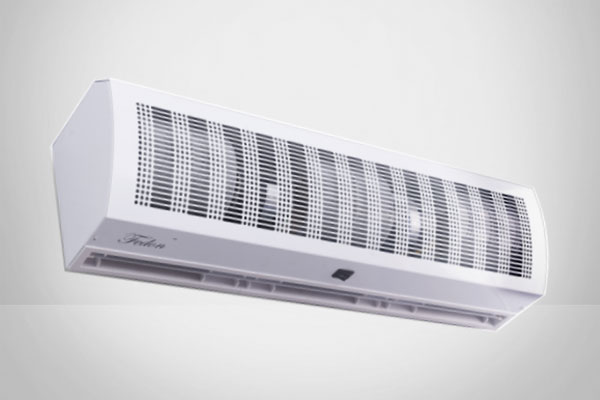
An air curtain creates a powerful stream of air across doorways that acts as an invisible barrier, preventing insects, dust, and outside air from entering indoor spaces.
Among these solutions, air curtains have become particularly popular because they address multiple challenges simultaneously.
Why Air Curtains Are Essential for Commercial Spaces
An air curtain works by producing a high-velocity airflow that forms an invisible shield across an entrance.
This barrier prevents:
- Flying insects from entering
- Dust and pollutants from infiltrating
- Outdoor heat from affecting indoor temperatures
At the same time, air curtains allow doors to remain open, enabling smooth movement of employees, customers, and goods.
Key Benefits of Air Curtains
1. Improved Hygiene Control
Air curtains reduce the chances of insect contamination in food preparation or packaging areas.
2. Energy Efficiency
By separating indoor and outdoor air environments, air curtains help maintain temperature control and reduce HVAC energy costs.
3. Enhanced Customer Comfort
Retail stores, restaurants, and malls benefit from maintaining comfortable indoor climates despite frequent door openings.
4. Chemical-Free Pest Prevention
Unlike sprays or pesticides, air curtains offer a completely non-toxic method of pest prevention.
This is why businesses are paying closer attention to the Air Curtain Manufacturers they partner with.
The right manufacturer ensures high-quality airflow performance, energy efficiency, and durable designs that suit specific commercial needs.
Chemical-Free Pest Control: The Future of Hygiene Management
Modern industries are moving away from chemical-based pest control toward sustainable and eco-friendly alternatives.
There are several reasons for this shift:
- Increased consumer awareness about food safety
- Stricter health regulations
- Environmental sustainability goals
- Reduced chemical exposure in workplaces
Machines such as electric insect killers, fly catchers, and air curtains provide an effective alternative while maintaining compliance with food safety standards.
For businesses in sensitive industries like food production or healthcare, this approach supports both operational safety and brand reputation.
How Businesses Improve Hygiene with Smart Solutions
Consider a mid-sized restaurant kitchen located in a busy urban area.
Before implementing modern pest control equipment, the restaurant struggled with:
- Flies entering through delivery entrances
- Rising electricity costs due to air conditioning loss
- Failed hygiene audits caused by pest sightings
After installing a combination of fly catcher machines and an air curtain at the service entrance, the results were immediate.
Within weeks:
- Fly presence significantly decreased
- Indoor temperature stability improved
- Hygiene compliance scores increased
This example highlights how preventive pest control technology can deliver both operational and financial benefits.
Choosing the Right Air Curtain Manufacturers
While air curtains offer clear advantages, their effectiveness largely depends on build quality, airflow design, and installation standards.
Reliable Air Curtain Manufacturers focus on:
- High-velocity airflow technology
- Energy-efficient motors
- Durable industrial-grade materials
- Custom solutions for different industries
- Compliance with hygiene and safety standards
One example of a company providing advanced hygiene and pest control equipment is Flintron Tech Pvt. Ltd.
Known for developing eco-friendly pest control machines, the company manufactures solutions such as electric fly catchers, fly zapper machines, insect killers, and air curtains designed for commercial environments.
Their focus on chemical-free pest control technology supports industries that require strict hygiene management.
Future Trends in Pest Control Technology (2026–2030)
The pest control industry is evolving rapidly as businesses demand smarter and more sustainable solutions.
Here are some trends shaping the future:
Smart IoT Pest Monitoring
Connected devices will track insect activity and provide real-time alerts for facility managers.
AI-Based Pest Detection
Artificial intelligence will help identify pest activity patterns and recommend preventive actions.
Energy-Efficient Airflow Systems
Next-generation air curtains will offer improved airflow efficiency with reduced energy consumption.
Integrated Hygiene Systems
Facilities will adopt combined solutions that include air curtains, insect traps, and environmental monitoring.
Increased Focus on Sustainability
Chemical-free pest control will become the standard across food and healthcare industries.
Companies investing in modern pest management equipment today will be better prepared for these upcoming changes.
Practical Tips for Maintaining a Pest-Free Commercial Space
Even with advanced machines, businesses should follow best practices to maintain effective hygiene management.
Keep Entry Points Secured
Install air curtains or strip curtains at frequently used entrances.
Maintain Proper Waste Management
Regular garbage disposal prevents insects from being attracted to food waste.
Conduct Routine Equipment Checks
Ensure fly catchers and insect killers are cleaned and maintained regularly.
Train Staff on Hygiene Practices
Employees should understand how pest prevention contributes to workplace safety.
Combine Preventive Technologies
Using air curtains along with insect traps provides stronger protection against pests.
These steps help create a layered defense strategy for pest control.
FAQs
1. What is an air curtain and how does it work?
An air curtain is a device installed above doorways that blows a high-speed stream of air downward, creating an invisible barrier that prevents insects, dust, and outside air from entering a building.
2. Why are air curtains important for restaurants and food industries?
Air curtains help maintain hygiene by stopping flying insects and airborne contaminants from entering food preparation areas, which is essential for food safety compliance.
3. Are air curtains energy efficient?
Yes. Air curtains help maintain indoor temperatures by reducing air exchange between indoor and outdoor environments, which lowers heating and cooling costs.
4. What industries benefit most from air curtains?
Industries such as food processing, restaurants, hospitals, warehouses, retail stores, and pharmaceutical facilities benefit significantly from air curtain installations.
5. How do I choose the right air curtain manufacturer?
Look for manufacturers that offer durable construction, strong airflow performance, energy efficiency, and solutions tailored to commercial or industrial environments.
Maintaining a clean, pest-free environment is no longer just about reacting to problems after they occur. Modern businesses are shifting toward preventive hygiene strategies that stop contaminants before they enter facilities.
Technologies like fly catchers, insect killers, and air curtains play a vital role in this transformation.
However, the effectiveness of these solutions depends heavily on the quality of the equipment and the expertise behind its design. Partnering with experienced Air Curtain Manufacturers ensures businesses receive reliable, energy-efficient systems that support long-term hygiene management.
As industries continue to prioritize food safety, sustainability, and regulatory compliance, advanced pest control technologies will become essential tools for maintaining safe and healthy commercial environments.
