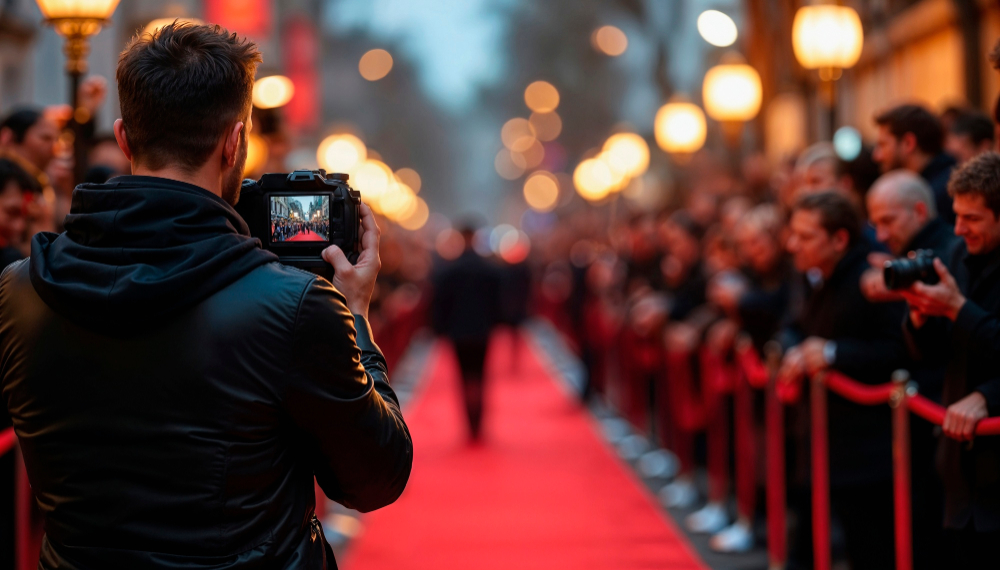
Corporate events are more than just gatherings—they are opportunities to strengthen relationships, showcase brand identity, and create lasting impressions. Whether it’s a conference, trade show, product launch, or company celebration, capturing these moments professionally is essential. That’s where a Corporate Event Photographer plays a crucial role.
In this guide, we’ll explore why event photography matters, what to look for in a photographer, and how to ensure your event is documented in a way that reflects your brand and objectives.
Why Corporate Event Photography Matters
Professional photography is often underestimated in event planning, yet it has a lasting impact. High-quality images serve multiple purposes long after the event has ended.
Preserving Important Moments
Corporate events bring together employees, clients, and stakeholders. From keynote speeches to candid networking moments, every detail contributes to the overall story. A skilled photographer captures these elements in a way that reflects the energy and significance of the event.
Strengthening Brand Identity
Images from your event can be used across marketing channels—websites, social media, press releases, and internal communications. Consistent, high-quality visuals help reinforce your brand’s professionalism and credibility.
Enhancing Future Marketing Efforts
Event photos are valuable assets. They can be repurposed for future promotions, recruitment campaigns, and company reports. Investing in a Corporate Event Photographer ensures you have a strong visual library to support your business goals.
What Does a Corporate Event Photographer Do?
A professional event photographer does much more than take pictures. Their role involves planning, coordination, and storytelling.
Pre-Event Planning
Before the event, the photographer typically discusses your goals, schedule, and key moments to capture. This preparation ensures nothing important is missed.
On-Site Coverage
During the event, the photographer works discreetly while capturing both posed and candid shots. This includes:
- Keynote speakers and presentations
- Audience engagement
- Networking interactions
- Branding elements like banners and signage
Post-Production Work
After the event, images are edited for color, clarity, and consistency. The final result is a polished collection of photos ready for immediate use.
Types of Corporate Events That Need Professional Photography
Different events require different photography styles. Understanding your event type helps you choose the right approach.
Conferences and Conventions
Large-scale events with multiple sessions require comprehensive coverage. A photographer ensures that every important moment—from keynote speeches to breakout sessions—is documented.
Trade Shows and Exhibitions
Trade shows focus heavily on brand visibility. Photos of your booth, product displays, and visitor interactions can be used to evaluate success and promote future participation.
Corporate Celebrations and Parties
From holiday parties to milestone celebrations, these events are about culture and connection. Capturing genuine emotions and interactions is key.
Incentive Trips and Retreats
These events combine business and leisure. A photographer documents both professional activities and memorable experiences, creating a complete narrative.
Key Qualities to Look for in a Corporate Event Photographer
Choosing the right photographer can make a significant difference in the final outcome. Here are some essential qualities to consider.
Experience in Corporate Settings
Corporate events require a different approach than weddings or personal shoots. Look for someone with experience handling professional environments and large audiences.
Strong Portfolio
Review previous work to understand the photographer’s style and quality. Pay attention to lighting, composition, and the ability to capture candid moments.
Professionalism and Reliability
Punctuality, communication, and adaptability are critical. Events often run on tight schedules, and the photographer must be able to adjust quickly.
Technical Expertise
From lighting conditions to fast-moving scenes, corporate events can be challenging. A skilled Corporate Event Photographer knows how to handle various scenarios without compromising quality.
How to Prepare for Event Photography
Proper preparation ensures you get the most value from your investment.
Create a Shot List
Outline the key moments, people, and details you want captured. This helps the photographer prioritize and stay aligned with your goals.
Share the Event Schedule
Providing a detailed timeline allows the photographer to plan coverage efficiently and be in the right place at the right time.
Highlight Key Individuals
Identify VIPs, speakers, and important guests. This ensures they are included in the final collection of images.
Consider Branding Elements
Make sure your logo, signage, and branded materials are visible and well-placed. These details add value to your photos and reinforce your brand.
Common Mistakes to Avoid
Even with a professional photographer, certain oversights can affect the results.
Lack of Communication
Failing to communicate expectations can lead to missed moments. Clear instructions and regular updates help avoid confusion.
Ignoring Lighting Conditions
Poor lighting can impact image quality. Discuss the venue setup in advance to ensure proper lighting arrangements.
Overlooking Candid Moments
While posed shots are important, candid interactions often tell the real story of your event. A good photographer balances both.
Waiting Until the Last Minute
Booking a Corporate Event Photographer early ensures availability and allows time for proper planning.
How Event Photos Can Be Used After the Event
The value of event photography extends far beyond the event itself.
Social Media Content
Sharing photos on platforms like LinkedIn and Instagram keeps your audience engaged and extends the event’s reach.
Website and Blog Updates
Event photos can enhance your website and provide fresh content for blogs and case studies.
Internal Communications
Images can be used in newsletters, reports, and presentations to keep employees informed and engaged.
Press and Public Relations
High-quality visuals increase the chances of media coverage and help tell your brand’s story effectively.
The Role of Technology in Event Photography
Modern photography goes beyond traditional cameras.
Instant Sharing Options
Some photographers offer real-time photo sharing, allowing attendees to receive images instantly via text or email.
On-Site Printing
Providing printed photos during the event adds an interactive element and creates memorable takeaways.
Advanced Editing Techniques
Post-production tools enhance image quality and ensure consistency across all photos.
Final Thoughts
Hiring a professional photographer is not just about capturing images—it’s about preserving experiences and creating valuable assets for your business. A well-documented event can strengthen your brand, engage your audience, and support your long-term marketing strategy.
When choosing a Corporate Event Photographer, focus on experience, communication, and the ability to understand your vision. With the right approach, your event photos can tell a compelling story that resonates with your audience long after the event is over.
Working with experienced teams like Proshots Events Photography can help ensure your event is captured with attention to detail and professionalism, allowing you to focus on what matters most—delivering a successful and memorable experience.
