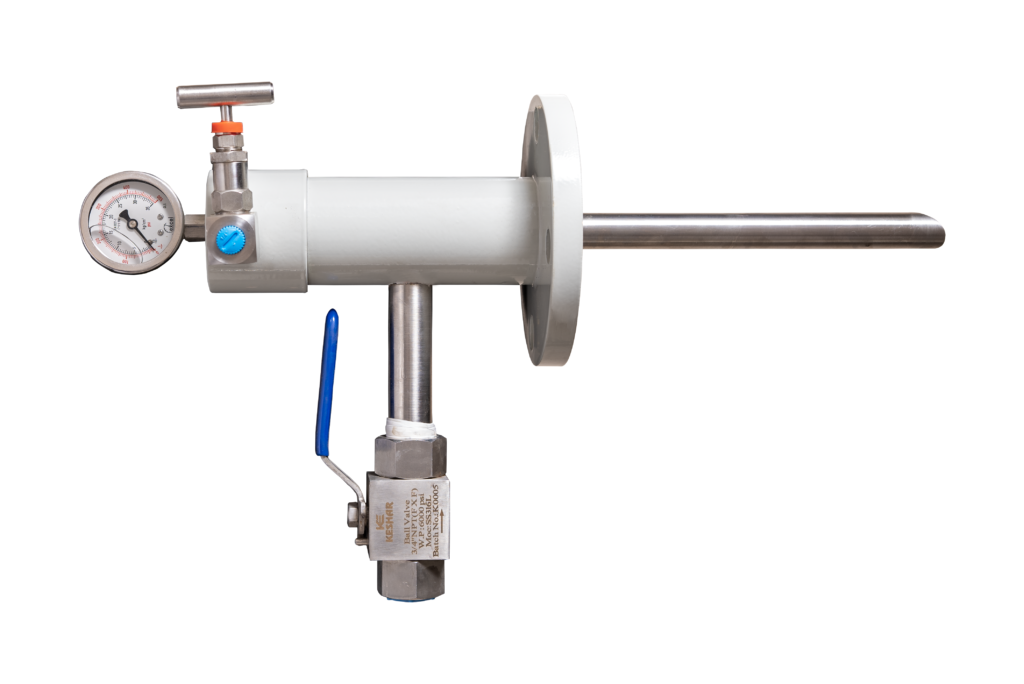
In oil and gas operations, chemical dosing plays a key role in maintaining flow efficiency and protecting pipelines from corrosion, scaling, and hydrate formation. The method used to inject chemicals into a pipeline directly affects performance and safety. An injection quill is designed to introduce these chemicals into the process stream at the correct point and velocity.
Selecting the right type of quill is not just a design choice. It impacts maintenance planning, operational safety, and long-term reliability. Two common configurations used across facilities are retrievable and retractable quills. Each serves a specific purpose depending on system requirements and access conditions.
Understanding Injection Quills in Pipeline Systems
An oil field equipment supplier provides solutions where accurate chemical dosing is required in upstream and downstream systems. An injection quill ensures that chemicals are delivered into the centre of the flow rather than along the pipe wall, where mixing may be less effective.
Typical Applications Include:
- Corrosion inhibitor injection
- Scale inhibitor dosing
- Methanol or glycol injection
- Biocide treatment
Proper placement and design of an injection quill help improve mixing efficiency and reduce the risk of chemical concentration at a single point.
What Are Retrievable Quills?
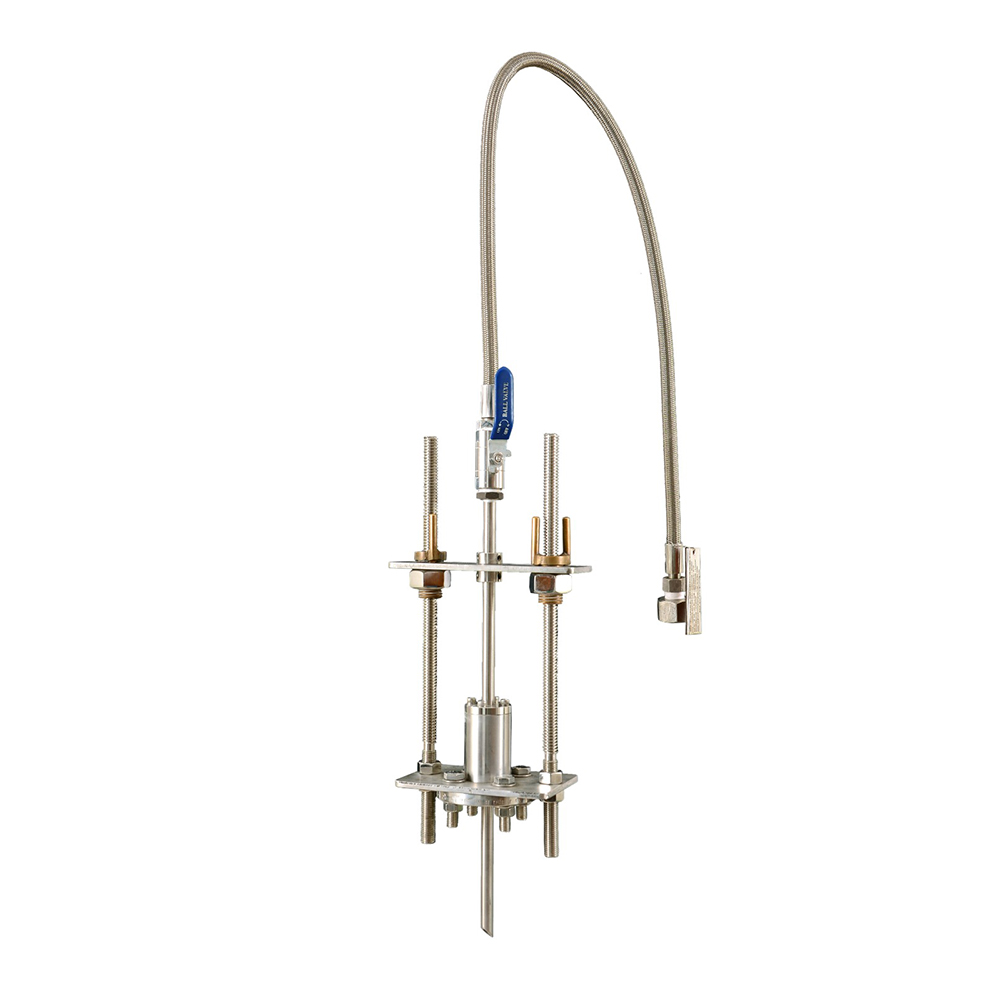
Retrievable quills are designed for removal when the system is not under pressure. To access or replace the quill, the pipeline must usually be shut down or isolated.
Key Characteristics
- Installed as a fixed component within the pipeline
- Requires system depressurisation before removal
- Simpler mechanical design
- Lower installation cost compared to retractable systems
Where They Are Used
Retrievable quills are suitable for systems where shutdowns are planned and manageable. They are commonly used in:
- Low to medium pressure pipelines
- Facilities with scheduled maintenance windows
- Applications with less frequent inspection needs
Their design is straightforward, which makes them reliable in stable operating conditions.
What Are Retractable Quills?
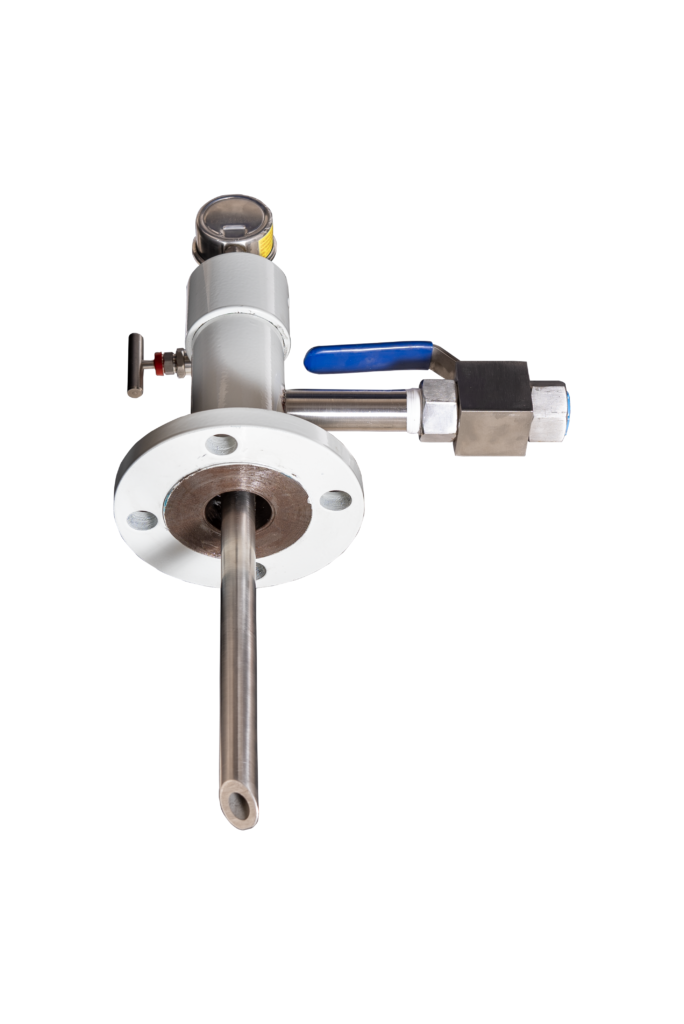
Retractable quills are designed to be inserted or removed while the pipeline remains pressurised. This is achieved through a specialised mechanism that allows safe handling under operating conditions.
Key Characteristics
- It Can be removed without shutting down the system
- Equipped with sealing and isolation mechanisms
- Suitable for high-pressure and continuous operations
- Requires careful handling and trained personnel
Where They Are Used
Retractable quills are commonly installed in:
- High-pressure pipelines
- Offshore platforms
- Continuous processing units
- Systems where shutdowns are costly or not feasible
This design allows maintenance teams to inspect or replace the quill without interrupting production.
Key Differences Between Retrievable and Retractable Quills
Understanding the operational differences helps in selecting the correct option for your facility.
| Parameter | Retrievable Quill | Retractable Quill |
| Removal Condition | Requires shutdown | Can be removed under pressure |
| System Impact | Interrupts operation | No interruption |
| Mechanical Complexity | Simple | More complex |
| Maintenance Flexibility | Limited | High |
| Cost | Lower initial cost | Higher initial cost |
| Safety Consideration | Standard procedures | Requires controlled handling |
This comparison shows that the choice depends on operational priorities rather than just cost.
Factors to Consider Before Selection
Choosing between the two types depends on multiple operational and design factors. There is no one-size-fits-all approach.
1. Operating Pressure
High-pressure systems generally require retractable designs to avoid shutdown during maintenance. For lower pressure lines, retrievable quills may be sufficient.
2. Maintenance Frequency
If frequent inspection or replacement is expected, retractable quills reduce downtime and improve maintenance efficiency.
3. System Accessibility
In locations where physical access is limited, such as offshore installations, retractable systems offer practical advantages.
4. Cost Consideration
Retrievable quills involve lower upfront investment. However, long-term costs may increase if shutdowns are frequent.
5. Safety Requirements
Handling equipment under pressure requires strict procedures. Facilities must ensure that trained personnel and proper tools are available when using retractable systems.
Role of Injection Quill Design in Performance
The design of an injection quill affects how effectively chemicals mix with the process fluid. Poor design can result in uneven distribution, leading to localised corrosion or scaling.
Important Design Aspects Include:
- Quill length and insertion depth
- Nozzle orientation
- Material compatibility with chemicals
- Resistance to flow-induced vibration
A properly designed injection quill ensures that chemicals are introduced into the main flow stream, improving efficiency and reducing waste.
When to Choose Retrievable Quills
Retrievable quills are a practical choice in situations where:
- Shutdowns are already part of routine operations
- The system operates at moderate pressure
- Budget constraints limit investment in complex systems
- Maintenance intervals are long
They offer a simple and dependable solution without requiring specialised handling systems.
When to Choose Retractable Quills
Retractable quills are more suitable when:
- Continuous operation is required
- Shutdown costs are high
- The system operates under high pressure
- Regular inspection or cleaning is needed
Although the initial setup is more complex, the operational flexibility often justifies the investment.
Common Installation Considerations
Proper installation is essential for both types of quills to function effectively.
Alignment and Positioning
The quill should extend into the centre of the pipeline to ensure proper mixing. Incorrect positioning may reduce effectiveness.
Sealing and Leak Prevention
Sealing components must be compatible with both pressure and chemical properties. Any leakage can affect safety and system performance.
Material Selection
Materials should be selected based on fluid composition, temperature, and corrosion risk. This ensures longer service life.
Flow Conditions
Understanding flow velocity and turbulence helps in selecting the correct quill design and insertion depth.
Maintenance and Operational Practices
Regular checks help maintain system performance and reduce unexpected failures.
- Inspect quills for wear or corrosion
- Ensure proper sealing during installation and removal
- Follow standard operating procedures for handling pressurised systems
- Keep records of maintenance intervals
For retractable systems, additional attention is required during insertion and removal to avoid pressure-related risks.
Conclusion
Choosing between retrievable and retractable quills depends on how the system is designed and operated. Retrievable quills offer a simple solution where shutdowns are manageable, while retractable quills provide flexibility for continuous operations.
The decision should be based on pressure conditions, maintenance needs, and operational priorities. A clear understanding of these factors helps in selecting the right configuration for long-term reliability.
For facilities working with chemical injection systems, proper selection and installation play a key role in maintaining efficiency and safety. NND OIL & GAS provides equipment solutions that support these operational requirements across different applications.
