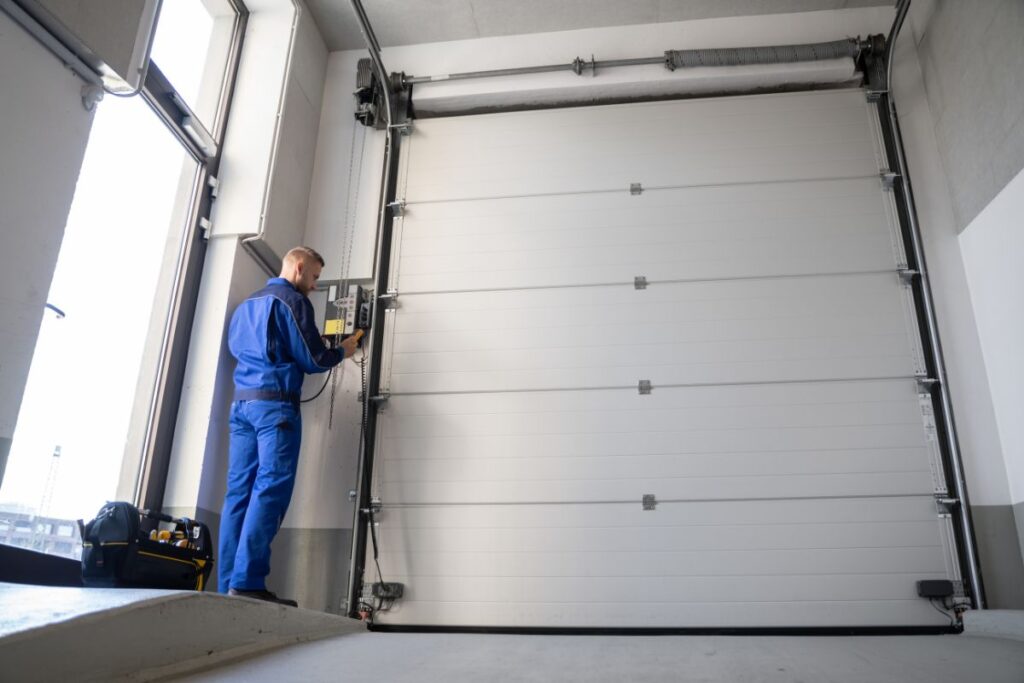
A working garage door is more than just convenience—it keeps your home safe and adds value. But over time, doors can get noisy or even stick, making daily routines frustrating. These problems often point to worn parts, lack of maintenance, or minor alignment issues. The good news is many of these problems can be fixed with simple steps, saving time and money. For more serious issues, professional residential garage door repair in Deerfield Beach ensures safety and proper operation.
Why Garage Doors Get Noisy or Stuck
Garage doors are made up of springs, rollers, tracks, and other moving parts. If any of these wear out or aren’t maintained, problems arise. Homeowners usually notice two main issues:
- Doors making loud, unusual noises
- Doors that stick or fail to move smoothly
Noisy doors are often caused by friction, worn rollers, or loose hardware. Stuck doors usually result from mechanical failures, obstructions, or misalignment. Understanding the cause is key to fixing it effectively.
Common Reasons for Noisy Garage Doors
Noisy garage doors can be annoying, but they often point to simple issues:
- Lack of lubrication: Rollers, hinges, and springs need regular lubrication. Without it, parts rub together and squeak.
- Worn rollers: Old or damaged rollers can rattle or grind as the door moves.
- Loose bolts and screws: Vibrations during door operation can cause these to loosen, creating noise.
- Misaligned tracks: Bent or obstructed tracks force the door to move unevenly, producing scraping sounds.
Addressing these problems early can prevent bigger repairs down the line.
Common Reasons for Stuck Garage Doors
Garage doors may stop moving smoothly due to:
- Broken or weak springs: Springs balance the door’s weight. If broken, the door may feel too heavy to lift.
- Obstructions in tracks: Dirt, small stones, or rust can prevent the door from sliding properly.
- Damaged rollers or cables: Frayed cables or rollers that don’t roll correctly can cause the door to jam.
- Cold weather effects: Metal parts can contract in winter, temporarily sticking the door.
Some problems are easy to fix, while others, like broken springs, require professional help.
How to Fix Noisy Garage Doors
Most noisy doors can be fixed at home with regular maintenance:
- Lubricate moving parts: Apply a high-quality garage door lubricant to rollers, hinges, and springs. Avoid over-lubricating, which can attract dust.
- Tighten loose hardware: Check bolts, screws, and brackets. Tightening them reduces rattling.
- Replace worn rollers: Rollers made of nylon or steel with ball bearings are quieter and smoother.
- Inspect and clean tracks: Remove debris and straighten slightly bent tracks using a rubber mallet.
Regular care keeps your door running quietly and extends the life of parts.
How to Fix Stuck Garage Doors
Stuck doors can often be resolved with these simple steps:
- Disconnect the opener: Always disconnect automatic openers before attempting manual movement.
- Lubricate moving parts: Rollers, hinges, and springs may need lubrication to move smoothly.
- Clear track obstructions: Remove dirt, stones, or rust that might block the door.
- Check springs and cables: Broken springs and frayed cables must be replaced by professionals for safety.
- Align the tracks: Ensure tracks are parallel and firmly attached to walls or ceiling.
Bullet Point Section Example – Simple Fix Checklist:
- Disconnect the opener before adjustments
- Lubricate rollers, hinges, and springs
- Remove debris from tracks
- Tighten loose hardware
- Call professionals for broken springs or cables
Maintenance Tips to Avoid Noise or Sticking
Regular upkeep prevents most problems before they start:
- Inspect the door monthly for loose parts, rust, or unusual sounds
- Lubricate rollers, hinges, and springs every six months
- Test door balance by lifting halfway manually; it should stay in place
- Keep tracks clean and free of debris
- Schedule professional inspections if you notice uneven movement or strange noises
Bullet Point Section Example – Preventive Maintenance Benefits:
- Reduces repair costs
- Extends the life of your garage door
- Keeps the door safe and functional
- Minimizes noise and sticking issues
Safety Tips
Working on garage doors can be risky because springs and cables are under high tension.
- Disconnect the opener before making any adjustments
- Avoid standing directly under a moving door
- Never try to replace springs yourself; call a professional
- Wear safety gloves and goggles for protection
Following these safety precautions prevents injuries and ensures your door operates safely.
When to Call a Professional
Some problems are better handled by professionals:
- Persistent noise after lubrication
- Doors that stick despite cleaning and adjustments
- Broken springs or frayed cables
- Problems with the opener motor or electronics
Professional residential garage door repair in Deerfield Beach ensures repairs are safe, efficient, and long-lasting. Technicians also offer preventive maintenance tips that help avoid future issues.
Garage Door Problems and Quick Fixes
| Problem | Likely Cause | Quick Fix |
| Squeaky noise | Lack of lubrication, worn rollers | Lubricate parts, replace worn rollers |
| Door sticks | Broken springs, misaligned tracks | Lubricate, clear debris, call professional if needed |
| Rattling sounds | Loose hardware | Tighten bolts and screws |
| Uneven door movement | Misaligned tracks or rollers | Adjust tracks, inspect rollers |
| Door won’t stay balanced | Weak or broken springs | Call professional for spring adjustment |
Frequently Asked Questions
1. How often should I lubricate my garage door?
Lubricate every six months, focusing on rollers, hinges, and springs. Regular lubrication reduces friction, prevents squeaks, and keeps your garage door moving smoothly.
2. Can I fix a broken spring myself?
No, broken springs are dangerous. They store high tension and can cause serious injury. Always contact a professional for safe replacement.
3. Why does my garage door make a loud grinding noise?
Grinding usually comes from worn rollers, loose hardware, or misaligned tracks. Lubricating parts and replacing damaged rollers often solves the problem.
4. How can I prevent my garage door from getting stuck?
Keep tracks clean, lubricate moving parts, and check balance regularly. Removing debris and inspecting rollers, springs, and cables helps prevent sticking.
5. When should I call a professional for garage door repair?
If springs are broken, cables are frayed, or the door is noisy or misaligned, contact professional residential garage door repair in Deerfield Beach. Experts ensure safe and long-lasting repairs.
