Inventory management is one of the most important parts of running a retail business. It means keeping track of all products, knowing what is in stock, what is running low, and what needs to be ordered again. If this system is not managed properly, it can lead to problems like missing products, overstocked shelves, or unhappy customers.
For many retailers, doing this work manually can be slow and full of mistakes. Even small errors in counting stock or entering data can create bigger issues later. This is why modern retail businesses are now using smart systems that connect sales and stock management in one place.
One such modern solution is a smart POS-based system that helps retailers handle billing, stock updates, and product tracking together. Instead of using separate tools for each task, everything works through one system. This makes daily store operations much smoother and more reliable.
A Smarter Way to Handle Retail Operations
In today’s retail environment, speed and accuracy are very important. Customers expect quick checkout, correct pricing, and always-available products. To meet these expectations, retailers need a system that updates inventory in real time and reduces manual work.
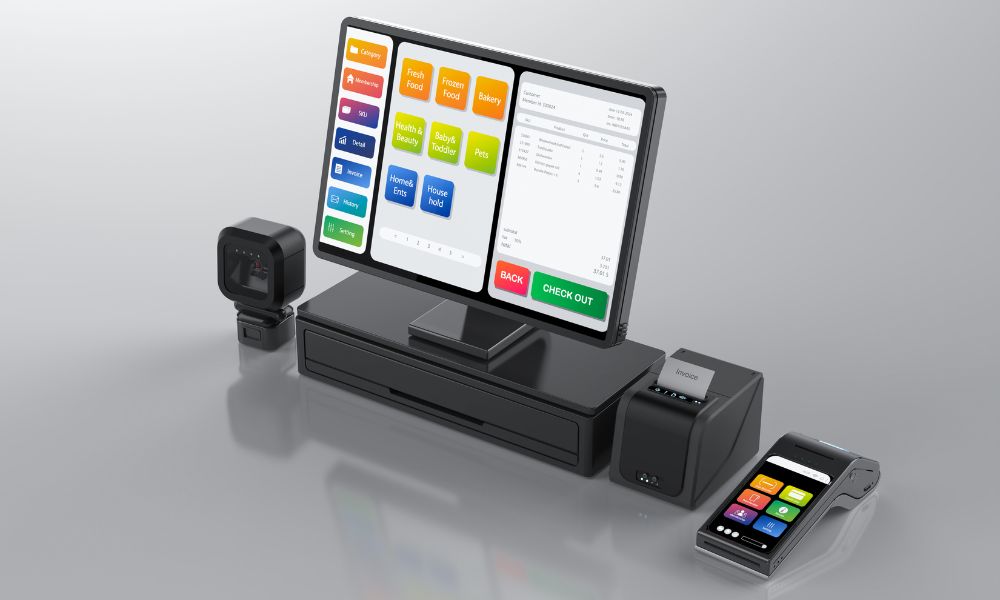
A modern self-service POS system helps stores achieve this by combining hardware and software into one easy setup. It usually includes a touchscreen, barcode scanner support, and payment tools. Staff and customers can use it to complete transactions quickly while the system automatically updates stock levels in the background.
This kind of setup reduces pressure on employees and allows them to focus more on customer service and store organization instead of manual stock counting or paperwork. It also helps store owners see what is happening in their business at any time.
Real-Time Inventory Updates Make a Big Difference
One of the biggest benefits of using a smart POS system is real-time inventory tracking. This means that every time a product is sold, returned, or scanned, the stock count updates immediately.
In traditional systems, stock updates are often done at the end of the day or even once a week. This delay can lead to incorrect stock records. For example, a product may appear available in the system but is actually already sold out in the store. This creates confusion for both staff and customers.
With real-time updates, this problem is greatly reduced. As soon as a customer buys an item, the system adjusts the inventory automatically. This helps store owners always know the correct stock level without needing manual counting.
This also makes reordering products easier. When stock reaches a low level, the system can alert store managers so they can place new orders on time. This helps avoid situations where popular products run out too quickly.
Smart Scanning and Product Tracking
Another important feature of modern POS systems is barcode scanning support. This helps retailers track every product simply and accurately.
Each item in the store can be assigned a barcode. When the barcode is scanned during sales or stock receiving, the system records the product instantly. This reduces the need for manual data entry, which is often slow and prone to mistakes.
Scanning also makes stock receiving much faster. When new shipments arrive, staff can scan items one by one, and the system will automatically add them to the inventory list. This removes the need for writing down product details or entering them manually later.
Over time, this improves accuracy and saves a lot of working hours. It also helps reduce stock differences between what is physically available and what the system shows.
About the System and Its Role in Inventory Management
Modern retail systems are designed to combine different store tasks into one platform. They are not just for billing but also for managing stock, tracking sales, and generating reports.
These systems often include a large touchscreen display, support for different operating systems, and compatibility with multiple devices like printers and scanners. This makes them flexible for different types of retail stores such as grocery shops, clothing stores, and quick-service outlets.
They also support smooth self-service options, which help reduce long queues at checkout counters. Customers can scan and pay for items directly, while the system updates inventory automatically in the background.
A good example of this type of solution is the BIGPOS 2700, which is designed to support both customer use and store management in one system. It helps connect sales, payments, and inventory tracking so that everything stays updated in real time without extra effort from staff.
By combining all these features, retailers can manage their stores in a more organized and efficient way.
Managing Inventory Across Multiple Store Locations
For businesses that operate more than one store, inventory management becomes even more complex. Products may be available in one location but out of stock in another. Without a proper system, it is difficult to track everything clearly.
A smart POS system solves this problem by connecting all store locations into one network. This means that stock information from every branch can be seen in one place.
Store owners or managers can check which products are selling faster in which location. They can also transfer stock from one store to another based on demand. This helps reduce waste and ensures that products are always available where they are needed most.
This kind of visibility is very helpful for growing businesses. Instead of guessing, owners can make decisions based on real data from all locations.
Faster Stock Receiving and Easy Updates
Receiving new stock is another area where many retailers face challenges. In manual systems, staff often need to count items, write them down, and later enter them into a computer system. This takes time and increases the chance of errors.
With a smart POS system, this process becomes much faster. When new products arrive, staff simply scan them into the system. The inventory updates immediately, and the stock is ready for sale without delay.
This also helps keep records clean and organized. Every incoming shipment is recorded properly, which makes it easier to track supplier orders and product history.
Over time, this improves the overall flow of goods in and out of the store.
Reducing Errors and Preventing Stock Loss
One of the biggest problems in retail inventory management is stock difference. This happens when the system shows one number, but the actual physical stock is different.
These differences can happen due to human mistakes, missed entries, or even theft. A smart POS system helps reduce these problems by recording every transaction automatically.
Since every sale, return, and stock update is logged in the system, it becomes easier to track where errors may have occurred. Store owners can quickly check reports and identify issues before they become serious.
This also helps reduce stock loss over time. When everything is tracked properly, it becomes harder for mistakes or missing items to go unnoticed.
Useful Reports for Better Business Decisions
Inventory management is not just about tracking products. It is also about understanding what is selling and what is not.
Modern POS systems generate simple reports that show useful information such as:
- Which products sell the fastest
- Which items stay in stock for a long time
- When customers buy the most products
- How often stock needs to be refilled
These reports help store owners make better decisions. For example, they can order more of popular items and reduce stock of products that do not sell well.
This helps reduce waste and improves profit over time. Instead of guessing, business decisions are based on real data.
Improving Customer Experience Through Better Stock Control
Good inventory management also improves customer satisfaction. When products are always available and checkout is fast, customers have a better shopping experience.
A smart POS system helps achieve this by keeping stock updated and reducing delays at checkout. Customers can quickly find what they need without facing out-of-stock problems.
Self-service options also reduce waiting time. Customers can scan items and complete payment on their own, while the system handles inventory updates automatically.
This creates a smooth and modern shopping experience that encourages customers to return again.
Easy Growth and Scalability for Retail Businesses
As a business grows, managing inventory becomes more complex. More products, more customers, and more locations all require better control systems.
A smart POS system is designed to grow with the business. It can handle more products, more transactions, and more store locations without losing performance.
Retailers can start small and expand over time without needing to replace their entire system. This makes it a long-term solution for growing businesses.
It also supports different types of retail setups, from small shops to large chains, making it flexible for many business models.
Conclusion
Inventory management is a key part of running a successful retail business. Without proper control, stores can face problems like missing stock, incorrect records, and slow operations.
A modern POS-based system helps solve these problems by connecting sales and inventory in real time. It reduces manual work, improves accuracy, and makes store operations much easier to manage.
From faster stock updates to better reporting and multi-store control, this kind of system helps retailers stay organized and efficient. It also improves the customer experience by ensuring products are always available and checkout is smooth.
Overall, smart retail systems like this are becoming an important part of modern business because they make inventory management simple, fast, and reliable.