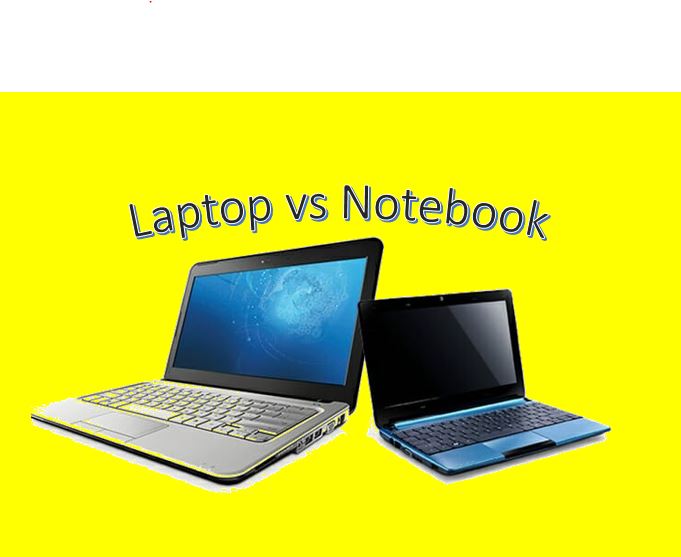
The term “notebook” has undergone a radical transformation over the last decade. Once a simple bound collection of paper, the notebook is now a multifaceted tool that spans physical, digital, and hybrid realms. In 2026, when someone says they are looking for a “notebook,” they might be referring to an AI-powered ultra-light laptop, a revolutionary E-Ink digital writing tablet, or a classic high-quality paper journal.
As we navigate this “new normal” of hybrid work and digital-first education, choosing the right notebook—and the ecosystem that supports it—has never been more critical. This guide explores the diverse world of notebooks in 2026, helping you decide which version of this essential tool belongs in your bag.
1. The High-Tech “Notebook”: The AI Laptop Revolution
In the computing world, the word “notebook” is often interchangeable with “laptop,” but in 2026, these devices have reached a peak of efficiency that justifies their name better than ever before.
Copilot+ and AI-Native Hardware
The standout feature of 2026 notebooks is the integration of high-performance Neural Processing Units (NPUs). Whether it’s the Microsoft Surface Laptop 7 or the Acer Swift 16 AI, these machines are designed to think with you. They don’t just store your data; they summarize your meetings, suggest creative edits for your images, and optimize battery life based on your usage patterns.
The Rise of Portability
Modern notebooks like the MacBook Air (M4) and the ASUS Zenbook S14 have pushed the boundaries of what “thin and light” means. Weighing in at under 2.5 pounds while maintaining 20+ hours of battery life, these devices embody the original spirit of the paper notebook: something you can carry anywhere and open instantly to record a thought.
2. Digital Notebooks: The Hybrid Sweet Spot
For many, the act of typing isn’t conducive to deep thinking. This has led to the massive growth of the Digital Notebook or E-Ink Tablet category.
The E-Ink Experience
Devices like the reMarkable 3 and Amazon Kindle Scribe 2 have perfected the “paper-like” feel. By using specialized screen technology that doesn’t emit blue light, these digital notebooks allow for hours of focused writing without eye strain. In 2026, these devices now support real-time handwriting-to-text conversion with incredible accuracy, allowing you to bridge the gap between a handwritten brainstorm and a professional email.
Versatility via Stylus
Standard tablets, such as the iPad Pro or Samsung Galaxy Tab S10, have also become formidable notebooks. With advanced haptic pens that mimic the friction of lead on paper, they provide a multi-media notebook experience where you can sketch, record audio, and write simultaneously.
3. Why Professional Support Matters for Your Tech Stack
While choosing the right physical or digital notebook is a vital personal choice, scaling these technologies for a business environment is a different beast entirely. It is one thing to have a high-end notebook; it is another to ensure it is integrated into a secure, efficient corporate network.
For businesses that need to go beyond the hardware, Tecisoft (https://www.tecisoft.com/) offers specialized IT services and digital solutions designed to streamline professional workflows. Whether you are outfitting a remote team with the latest notebooks or developing custom software to run on them, having a partner that understands the intersection of hardware and high-performance digital infrastructure is the key to maintaining a competitive edge in 2026.
4. The Resurgence of the Analog Notebook
Surprisingly, in the heart of the AI era, the traditional paper notebook is seeing a massive resurgence. Why? Because it offers something no screen can: Total Disconnect.
The Cognitive Benefit of Handwriting
Research continues to show that writing by hand improves memory retention and conceptual understanding compared to typing. In 2026, many professionals use a “Hybrid Strategy”—performing their deep-focus brainstorming in a premium paper notebook (like a Moleskine or Leuchtturm1917) before migrating those ideas into their digital ecosystem.
Aesthetic and Tactile Value
A notebook is often a statement piece. High-quality paper, leather bindings, and the tactile click of a fountain pen provide a sensory experience that digital tools cannot replicate. For many, the paper notebook is a sanctuary for personal reflection away from notifications and pings.
5. How to Choose the Right Notebook for Your Persona
| Persona | Recommended Notebook Type | Key Features to Look For |
|---|---|---|
| The Student | Digital E-Ink Tablet | Long battery, PDF annotation, lightweight. |
| The Executive | AI-Integrated Ultraportable | NPU for meeting summaries, premium build, 5G/6G connectivity. |
| The Creative | High-End 2-in-1 Laptop | Color-accurate OLED screen, low-latency stylus support. |
| The Strategist | Premium Paper Notebook | High-GSM paper, numbered pages, lay-flat binding. |
Export to Sheets
6. Maintenance and Security: Protecting Your Notes
In 2026, a lost notebook—whether physical or digital—is a major security risk.
- For Digital Notebooks: Ensure you have biometrics (fingerprint or face ID) enabled and that your cloud backup is encrypted.
- For Paper Notebooks: Always include a “Return to Owner” page with a contact number, and consider “smart” pens that digitally back up your physical strokes as you write.
7. The Future: Neural Notebooks?
As we look toward the end of the decade, the line between “thought” and “notebook” is blurring even further. We are seeing the first prototypes of “Neural Notebooks” that use non-invasive sensors to record thoughts directly into a digital format. While this sounds like science fiction, the advancements in AI we’ve seen by 2026 suggest that our tools will only become more intuitive and less intrusive.
Conclusion
Whether you prefer the tactile feedback of a pen on paper or the raw power of an AI-driven digital notebook, the goal remains the same: to capture ideas and drive productivity. The “best” notebook is the one that stays out of your way and lets your creativity flow. As you upgrade your toolkit this year, consider not just the device itself, but how it fits into your broader digital lifestyle. Choose wisely, and let your notebook be the catalyst for your next great idea.
