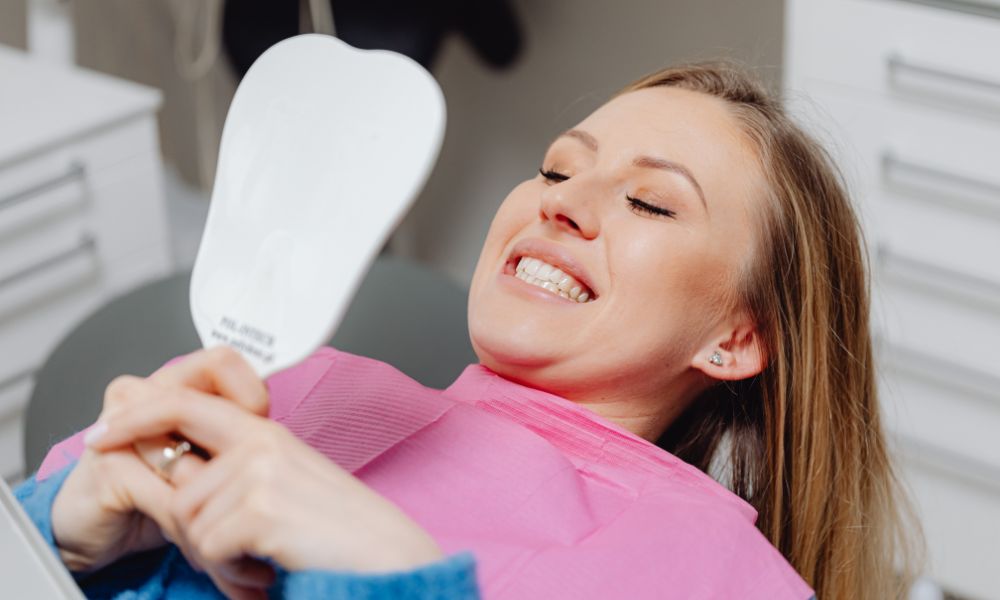
A bright, white smile is something that many people desire. It’s often linked to feelings of health, beauty, and confidence. That’s why teeth whitening has become such a popular cosmetic treatment. People from all walks of life choose teeth whitening to brighten their smiles, whether through professional procedures or over-the-counter products. But how does teeth whitening actually work? Let’s break down the science behind this treatment and explain how it helps you achieve a whiter, brighter smile.
Over time, our teeth naturally pick up stains. These stains can come from various things like the foods we eat, drinks we consume, and even lifestyle habits like smoking. Teeth whitening is designed to remove those stains and help restore your teeth to their original whiteness. This article will explore how teeth whitening works, the different treatment options available, and how you can find teeth whitening near me for a brighter smile.
The Science Behind Teeth Whitening
Teeth whitening works by using certain chemicals that break down stains and discoloration on the surface of your teeth. The main ingredients in most whitening products are hydrogen peroxide or carbamide peroxide. These chemicals target the stains that form on the enamel (the outer layer of your teeth) and sometimes even beneath the enamel in the dentin layer.
When the whitening agent is applied, it breaks up the stain molecules through a process called oxidation. During this process, oxygen molecules are released, and they go to work breaking apart the stain molecules. Once the bonds between the stains and the tooth surface are broken, the stains are lifted away, leaving your teeth looking whiter and brighter.
Types of Teeth Whitening Treatments
Teeth whitening isn’t just one-size-fits-all. There are different treatments that can help you achieve a whiter smile, depending on your budget, time, and specific needs. Here are the most common options for whitening your teeth:
In-Office Professional Whitening
In-office teeth whitening is the fastest way to get a bright smile. This professional treatment is done at your dentist’s office and can produce noticeable results in just one visit. Dentists use stronger bleaching agents compared to over-the-counter products. The procedure typically involves applying a whitening gel to your teeth, which is then activated with a special light or heat to speed up the whitening process.
Professional whitening is not only fast, but it’s also the most effective. Dentists are trained to make sure the treatment is done safely and correctly, minimizing the risk of gum irritation or other side effects. In-office treatments can brighten your smile by several shades in a single visit.
At-Home Whitening Kits
If you prefer to whiten your teeth at home, there are whitening kits available that are easy to use. These kits usually come with custom trays that fit your teeth, and you fill them with a whitening gel. You then wear the trays for a set period each day, typically 30 minutes to an hour.
Although at-home kits are more affordable than professional treatments, they usually take longer to show results. You may need to use the kits for about two weeks to notice a significant difference. These kits are effective for removing surface stains, but they may not be as powerful as in-office treatments.
Whitening Strips and Pens
Whitening strips are another popular option for at-home whitening. These strips are thin and flexible and come coated with a whitening gel. You place the strips on your teeth for about 30 minutes, and they help to break down the stains on the surface.
Whitening pens work similarly to strips but are applied directly to your teeth using a brush or pen-like applicator. These options are easy to use, affordable, and can help with minor staining, but they might not provide the dramatic results of professional whitening treatments.
Whitening Toothpaste and Mouthwashes
Whitening toothpaste and mouthwashes are available for those looking for a milder option to maintain a brighter smile. These products help to remove surface stains and prevent further discoloration. They don’t work as quickly or as powerfully as other whitening treatments, but they can help to keep your teeth looking clean and bright with regular use.
Whitening toothpaste usually contains mild abrasives that help scrub away stains without damaging the enamel. While not as strong as bleaching agents, these products can be useful for daily maintenance.
What Affects Teeth Whitening Results?
Not all teeth whitening treatments are created equal, and results can vary based on several factors. Some factors that can affect the effectiveness of teeth whitening include:
Type of Stains
There are two main types of stains: extrinsic and intrinsic.
- Extrinsic stains are the most common and occur on the surface of the enamel. They are typically caused by food, drinks, smoking, and poor oral hygiene. These stains are usually easier to remove with teeth whitening treatments.
- Intrinsic stains are deeper stains that occur in the dentin layer beneath the enamel. These stains can result from aging, medications, trauma to the tooth, or genetics. Intrinsic stains are harder to remove and may require stronger treatments or multiple sessions to achieve significant whitening.
Age and Oral Health
As we get older, our teeth naturally become darker. This happens because the enamel thins with age, allowing the yellowish dentin beneath to show through more clearly. Additionally, some people may have dental conditions like cavities, gum disease, or enamel erosion, which can affect their ability to whiten their teeth. If you have any of these conditions, it’s best to consult with a dentist before starting any whitening treatment.
Sensitivity
Some people experience tooth sensitivity or gum irritation during or after teeth whitening treatments. This is especially common with stronger in-office treatments. If you have sensitive teeth, you may want to choose a gentler option or speak to your dentist about using products that can reduce sensitivity.
How to Find Teeth Whitening Near Me
If you’re considering professional whitening and want to find a local dentist, searching for teeth whitening near me can help you locate a clinic in your area. Here’s how to find the right provider:
- Search Online: Use search engines to find dental practices that offer teeth whitening services. Many dental offices will have a section on their website detailing the types of whitening treatments they offer.
- Look for Reviews: Check online reviews to get a sense of the dentist’s reputation. Positive reviews can give you confidence that you’re choosing a reliable provider.
- Consult a Dentist: Book a consultation with a dentist to discuss your options. During the consultation, the dentist will examine your teeth, assess any existing dental issues, and recommend the best whitening treatment for you.
- Consider Your Budget: Whitening treatments can vary in price, so it’s important to find an option that fits your budget. In-office whitening is typically more expensive than at-home kits, but it offers faster and more dramatic results.
- Ask About Discounts: Some dental offices offer discounts or special promotions for first-time customers. It’s worth inquiring about any available deals to make the treatment more affordable.
Final Thoughts
Teeth whitening is a safe and effective way to brighten your smile, but it’s important to understand how it works before you decide which treatment is right for you. Whether you opt for a professional treatment or an at-home kit, whitening works by breaking down stains and restoring your teeth to their natural whiteness.
Before starting a whitening treatment, consider consulting with a dentist to ensure it’s the right choice for your dental health. By searching for “teeth whitening near me,” you can find a trusted professional who can guide you through the process and help you achieve the smile you’ve always wanted.
