An offshore company in the UAE is a useful structure for business owners who want flexibility, asset protection, and international operations. It is often chosen by investors who do not need a physical office in the UAE but want a trusted jurisdiction for holding assets, managing international trade, or structuring ownership.
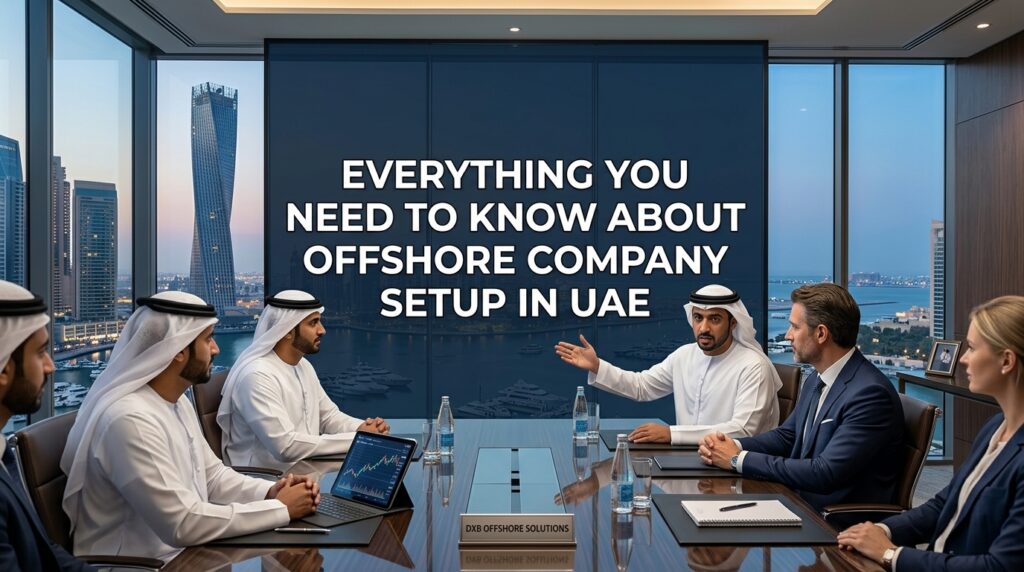
If you are planning an Offshore Company Setup UAE, it is important to understand how the structure works, what it can and cannot do, and what documents you need before starting.
What Is an Offshore Company?
An offshore company is a business entity registered in the UAE but typically used for activities outside the local market. It is not designed for direct trading inside the UAE in the same way as a mainland company.
This structure is commonly used for holding shares, owning assets, managing international investments, and protecting business interests. For many entrepreneurs, it is a practical way to keep ownership organized in a tax-efficient and compliant jurisdiction.
Why Choose an Offshore Company
Many business owners choose an offshore company because it offers privacy, flexibility, and ease of international structuring. It is especially useful for people who run businesses across borders and need a simple legal base.
It can also be attractive for asset holding, succession planning, and group ownership. In some cases, offshore companies are used to hold property or shares, depending on the rules of the chosen jurisdiction.
Common Uses
Offshore companies in the UAE are often used for:
- Holding shares in other companies.
- Managing international business activities.
- Protecting assets.
- Structuring investments.
- Supporting global trading arrangements.
- Estate and succession planning.
The exact use depends on the jurisdiction and business goals, so the structure should always match the purpose.
Steps to Set Up an Offshore Company
The process is usually simple when the documents are ready and the purpose is clear.
- Choose the right offshore jurisdiction. Select the location that fits your business goals.
- Define your business activity. Make sure the offshore structure is suitable for what you plan to do.
- Reserve the company name. The name must follow the jurisdiction’s naming rules.
- Prepare incorporation documents. These usually include passport copies, shareholder information, and ownership details.
- Submit the application. Send the forms and supporting documents to the relevant authority or registered agent.
- Get approval. Once the review is complete, the company can be incorporated.
- Receive incorporation papers. These confirm the offshore company is officially established.
- Open a bank account if needed. Banking may require additional review depending on the structure.
Documents You May Need
The exact document list depends on the jurisdiction, but common requirements include:
- Passport copies of shareholders and directors.
- Proof of address.
- Passport-size photos.
- Business activity details.
- Shareholding structure.
- Corporate documents if another company owns shares.
- Any additional forms required by the jurisdiction.
Preparing these documents properly helps avoid delays and repeated requests.
Costs to Consider
Offshore company setup costs vary based on the jurisdiction, service provider, company structure, and any extra support you may need. You should also budget for annual renewal fees and possible banking-related costs.
The offshore route is often seen as cost-effective, but it is still important to compare providers carefully. The cheapest option is not always the best one if service quality or compliance support is weak.
Benefits of Offshore Company Setup
An offshore company can offer several advantages.
- Simple structure. It is often easier to manage than more complex company types.
- International use. It is useful for cross-border business and ownership.
- Asset protection. It can help separate business assets from personal ownership.
- Privacy. Offshore structures are often chosen for confidentiality.
- Flexibility. They can work well for investors, holding companies, and global entrepreneurs.
These benefits make offshore companies a popular choice for strategic business planning.
Offshore Company Setup UAE: Common Mistakes
One common mistake is assuming an offshore company can do everything a mainland company can do. That is not true, because offshore entities usually have restrictions on local trading and physical operations.
Another mistake is choosing the wrong jurisdiction without checking the permitted activities. Each offshore option has its own rules, and a poor choice can create problems later.
Some business owners also forget that banking can require extra documentation. A clear business purpose and clean ownership structure make the process much easier.
FAQ
What is an offshore company in the UAE?
It is a company registered in the UAE for international business, asset holding, or ownership structuring rather than local trading.
Can an offshore company trade inside the UAE?
Usually no. Offshore companies are generally not meant for direct mainland trading.
Do I need an office for an offshore company?
In most cases, no physical office is required, depending on the jurisdiction.
Is offshore company setup good for holding assets?
Yes, many business owners use offshore companies for asset holding and investment structuring.
How long does setup take?
The timeline depends on the jurisdiction and document readiness, but the process is often relatively quick.
Conclusion
Offshore company setup in the UAE can be a smart solution for investors who want international flexibility, asset protection, and a well-recognized business structure. The key is to choose the right jurisdiction, prepare the correct documents, and make sure the company matches your long-term goals.
If you plan your Offshore Company Setup UAE properly, you can create a clean and effective structure for global business and ownership.
