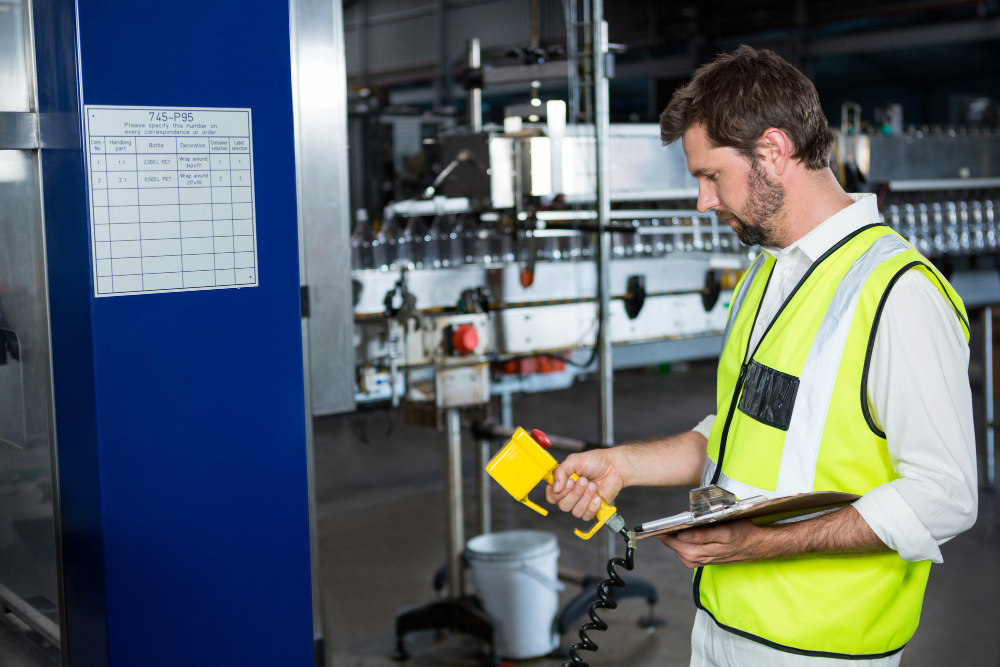
Manufacturing problems rarely begin at the final inspection stage. In most factories, defects start appearing much earlier — during material handling, assembly, machining, packaging preparation, or process adjustments on the production floor. By the time finished goods are inspected, the damage is often already done. Delayed shipments, expensive rework, wasted raw materials, and customer complaints are usually symptoms of issues that were never identified during production itself.
This is why in process inspection has become an essential part of modern quality control systems, especially in international manufacturing environments where buyers may not have direct visibility into day-to-day factory operations.
Experienced quality professionals understand that monitoring production while it is actively running provides far more operational insight than relying only on final product checks. It allows manufacturers and buyers to identify inconsistencies early, correct problems before they spread across large production batches, and maintain better control over overall product quality.
Understanding the Role of In Process Inspection
In simple terms, in-process monitoring refers to quality verification conducted during manufacturing rather than after production is complete.
Instead of waiting until goods are fully assembled or packed, inspectors evaluate products at different stages of production to ensure processes remain within agreed specifications. These inspections may include dimensional checks, workmanship reviews, functional testing, packaging verification, or production line observations.
In real manufacturing environments, this approach often helps identify issues that would otherwise remain hidden until final shipment preparation.
For example, during electronics assembly, inspectors may notice soldering inconsistencies before thousands of units are completed. In textile manufacturing, stitching alignment problems can be detected early enough to prevent large-scale fabric waste. In industrial component production, measurement deviations may reveal calibration issues before entire batches become unusable.
The earlier these problems are identified, the easier and less costly they are to correct.
Why Final Inspection Alone Is Often Not Enough
Many buyers assume a final product inspection is sufficient for quality control. While final inspections remain important, they have limitations that experienced sourcing teams recognize quickly.
Once production is complete, several challenges emerge:
- Defective units may already be mixed into packed cartons
- Rework opportunities become limited
- Production deadlines may not allow corrections
- Raw material waste has already occurred
- Shipment schedules may be affected
Factories under time pressure sometimes prioritize shipment deadlines over detailed corrective actions. When problems are identified too late, buyers are often forced to choose between delayed shipments and accepting higher defect risks.
This is one reason many importers and manufacturers rely on in process inspection as an ongoing control measure rather than treating quality checks as a final-stage activity only.
What Inspectors Typically Evaluate During Production
A professional mid-production assessment goes beyond randomly checking products. Experienced inspectors usually evaluate both the product itself and the manufacturing conditions surrounding it.
Production Consistency
One of the main objectives is verifying whether products remain consistent throughout the production run.
In many factories, the first few units may meet specifications, while later batches gradually drift due to operator fatigue, machine wear, or process changes.
Inspectors often monitor:
- Dimensional tolerances
- Material consistency
- Color variation
- Surface finishing
- Labeling accuracy
- Assembly quality
Even small inconsistencies can create significant problems later, particularly for products requiring precise fitment or regulatory compliance.
Production Line Conditions
Experienced quality professionals pay close attention to the production environment itself.
Issues commonly observed during factory visits include:
- Improper material storage
- Uncalibrated measuring tools
- Incomplete work instructions
- Poor workstation organization
- Inconsistent operator training
- Weak handling practices
In many cases, these operational weaknesses eventually contribute to product defects, even if finished samples initially appear acceptable.
Process Control and Documentation
Well-managed factories usually maintain clear production records and quality checkpoints throughout manufacturing.
Inspectors may review:
- In-line quality reports
- Defect tracking systems
- Corrective action procedures
- Machine maintenance records
- Operator training documentation
Factories with structured process controls often recover from production issues more efficiently because problems are identified systematically rather than reactively.
Common Manufacturing Problems Found Mid-Production
Professionals with hands-on factory experience know that some of the most serious production problems are not immediately visible during initial supplier discussions.
Several recurring issues are frequently identified during in-process monitoring.
Gradual Quality Deterioration
One common problem involves quality levels slowly declining as production volume increases.
For example, workers may speed up assembly processes to meet output targets, leading to missed components, cosmetic defects, or inconsistent workmanship. Without active monitoring, these issues can continue unnoticed for days.
Material Substitution
In some situations, raw materials may change during production due to shortages or cost pressures.
This is particularly important in industries involving:
- Electronics
- Metal fabrication
- Textiles
- Packaging materials
- Consumer products
Even minor material substitutions can affect durability, performance, or compliance requirements.
Incorrect Packaging Preparation
Packaging errors are more common than many buyers realize.
Inspectors frequently discover:
- Wrong carton markings
- Missing manuals
- Incorrect barcodes
- Inadequate protective packaging
- Labeling inconsistencies
Although these may appear minor, packaging problems can create customs delays, retailer compliance issues, or customer dissatisfaction later.
Practical Advice for Buyers and Importers
Companies working with overseas suppliers often focus heavily on price negotiations while underestimating operational quality risks.
Experienced sourcing professionals generally recommend several practical approaches.
Schedule Inspections Before Production Is Too Advanced
One common mistake is conducting inspections too late in the manufacturing cycle.
If production is already 90% complete, corrective actions become far more difficult and expensive. Mid-production reviews are usually most effective when approximately 20–60% of goods are completed.
This timing provides enough visibility into production consistency while still allowing corrective measures if needed.
Review Corrective Actions Carefully
Finding defects is only part of the process. The real value comes from understanding how factories respond to those findings.
Strong manufacturers typically:
- Investigate root causes
- Adjust production processes
- Retrain operators when necessary
- Improve inspection checkpoints
Factories that repeatedly fix only visible defects without addressing underlying causes often experience recurring quality problems.
Maintain Realistic Expectations
Even well-managed factories occasionally encounter production challenges.
Machinery breakdowns, labor shortages, raw material inconsistencies, and production pressure can affect manufacturing performance in any country. Responsible quality management involves reducing risks and improving consistency — not expecting perfect production conditions at all times.
The Human Side of Factory Quality Control
One aspect often overlooked in discussions about manufacturing inspections is the human factor.
Production quality is heavily influenced by operator experience, supervision quality, workplace organization, and communication between departments.
Experienced inspectors frequently notice that factories with stable teams and organized workflows tend to produce more reliable outcomes than facilities relying heavily on temporary labor or rushed production schedules.
Simple observations — such as whether workers clearly understand instructions or whether supervisors actively monitor production lines — often provide valuable insight into overall manufacturing discipline.
These operational details rarely appear in supplier presentations, but they strongly influence long-term product consistency.
How Branding Manufacturing Services Supports Responsible Quality Monitoring
For businesses sourcing internationally, maintaining visibility during production remains one of the biggest challenges. Reliable in process inspection helps buyers identify manufacturing issues before they become shipment problems, allowing more informed decisions throughout the production cycle.
Branding Manufacturing Services works with manufacturers and importers to support structured quality monitoring through practical factory evaluations, production-stage inspections, and operational oversight. The goal is not simply to identify defects, but to help businesses better understand manufacturing conditions, process consistency, and potential risks before goods leave the factory.
Frequently Asked Questions
1. What is in process inspection?
It is a quality control activity performed during manufacturing to identify defects and process issues before production is completed.
2. Why is mid-production inspection important?
It helps detect problems early, reducing the risk of large-scale defects, shipment delays, and expensive rework.
3. When should an inspection during production be conducted?
Most inspections are effective when around 20% to 60% of production is completed.
4. What industries commonly use production-stage inspections?
Industries such as electronics, textiles, machinery, consumer goods, automotive components, and packaging frequently use these inspections.
5. Can in-process monitoring prevent all quality problems?
No. It helps reduce manufacturing risks and improve consistency, but no inspection system can eliminate every possible production issue.
