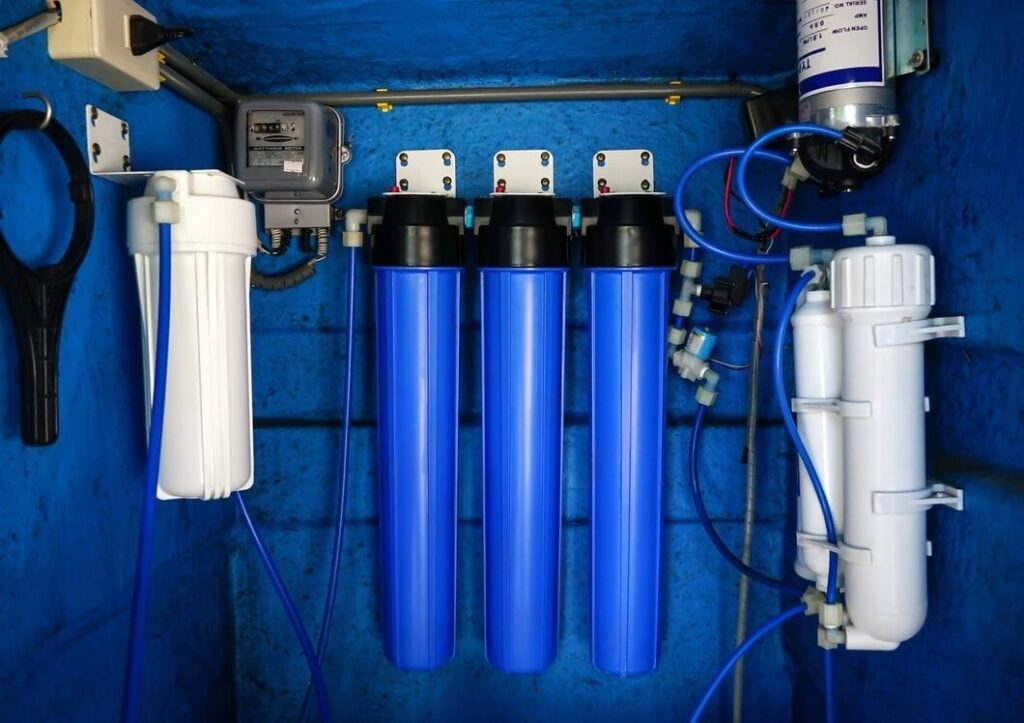
Water quality concerns are becoming increasingly common in residential homes, even in areas supplied by treated municipal water. Homeowners often notice the warning signs gradually rather than all at once. A chlorine smell during showers, cloudy drinking water, dry skin after bathing, or white mineral residue around faucets may seem minor individually, but together they usually point to larger water quality issues inside the home.
In many households, these concerns eventually lead homeowners to consider a Whole house water filter rather than relying only on drinking water filtration at the kitchen sink. Unlike smaller point-of-use systems, a whole-home filtration setup is designed to treat water as it enters the property, helping improve water quality throughout every faucet, appliance, and plumbing fixture.
Professionals working in water treatment have seen a noticeable shift in homeowner priorities over the last several years. Many people are no longer focused only on drinking water taste. They are also paying attention to how untreated water affects plumbing systems, water heaters, laundry, dishwashers, and even long-term appliance maintenance.
At the same time, there is still confusion about what these systems actually do, when they are necessary, and how homeowners can avoid making costly mistakes when selecting one.
Why Water Quality Problems Affect More Than Drinking Water
One of the most overlooked realities in residential plumbing is that water impacts nearly every part of daily household life. Even when tap water meets municipal safety guidelines, it can still contain chlorine, sediment, minerals, or other impurities that affect household comfort and plumbing performance over time.
Experienced technicians often notice recurring patterns during home visits. Showerheads clog repeatedly with buildup, dishwasher spots become difficult to remove, laundry feels rough after washing, and water heaters accumulate sediment earlier than expected.
A properly selected Whole house water filter can help reduce many of these issues by filtering water before it travels through the home’s plumbing system.
However, not every property requires the same type of filtration. Water conditions vary significantly depending on local infrastructure, regional mineral content, pipe condition, and whether the home uses municipal or well water.
That is why experienced professionals rarely recommend a system without first understanding the actual water conditions inside the property.
Understanding How Whole-Home Filtration Systems Work
Many homeowners assume all water filtration systems perform the same function, but that is rarely the case. Different filtration media are designed to target different water quality concerns.
Sediment filters are commonly used to remove dirt, rust particles, and debris that may enter water supplies through aging infrastructure or plumbing repairs. Carbon filtration systems are often installed to reduce chlorine taste and odor while improving overall water clarity.
Some advanced systems also target volatile organic compounds, sulfur odors, or elevated levels of certain contaminants depending on local water conditions.
Professionals with field experience often explain that filtration should match the actual problem rather than follow marketing trends. A homeowner dealing mainly with chlorine odor may not need the same setup as a rural property with iron-heavy well water.
Unfortunately, many homeowners purchase equipment online based on general advertising claims without conducting proper testing first.
In practice, this often leads to oversized systems, unnecessary expenses, or filtration equipment that fails to address the real issue affecting the water supply.
Real-World Installation Challenges Homeowners Often Miss
Installing a Whole house water filter is very different from attaching a small countertop or under-sink unit. Since these systems connect directly to the main water line, proper sizing and installation are critical.
One challenge professionals frequently encounter is limited installation space. Older homes especially may have cramped utility rooms or tight plumbing layouts that complicate system placement and maintenance access.
Flow rate is another important factor. A system that is too small for household demand may reduce water pressure during simultaneous usage, particularly in larger families where multiple bathrooms operate at the same time.
Experienced installers also pay close attention to bypass valves, shutoff access, and maintenance clearance. These details may seem minor initially, but they become extremely important during future filter replacements or servicing.
Another common issue involves homeowners underestimating maintenance requirements. Even high-quality filtration systems lose effectiveness if filters are neglected for too long.
Common Mistakes Homeowners Make When Choosing a System
Years of field experience reveal several recurring mistakes homeowners tend to make during the purchasing process.
Choosing Equipment Without Water Testing
This remains one of the most common problems. Homeowners often assume they need advanced filtration because of unpleasant taste or odor, when the actual issue may be excessive hardness, sediment, or aging plumbing pipes inside the home.
A professional water analysis provides a far clearer understanding of what treatment is actually necessary.
Assuming Expensive Systems Are Automatically Better
Higher cost does not always mean better performance. In many cases, properly maintained mid-range systems outperform expensive equipment that is oversized or poorly matched to household needs.
Professionals generally focus more on compatibility and filtration goals than on price alone.
Ignoring Long-Term Maintenance Costs
Some filtration systems require specialized cartridges or proprietary replacement parts that become costly over time. Homeowners often focus heavily on installation price while overlooking long-term servicing expenses.
Experienced professionals usually recommend choosing systems with accessible replacement components and realistic maintenance schedules.
What Homeowners Commonly Notice After Installation
When the correct filtration system is installed for the home’s actual water conditions, improvements are often gradual but meaningful.
Many homeowners report cleaner-tasting water, reduced chlorine smell during showers, clearer dishes, and less buildup around faucets and fixtures. Laundry may also feel softer, while appliances exposed to filtered water sometimes experience reduced sediment accumulation over time.
However, responsible professionals are careful not to exaggerate outcomes. A Whole house water filter is designed to improve water quality within its intended capabilities, but it cannot solve every plumbing or infrastructure issue.
For example, severely corroded interior pipes, extreme water hardness, or municipal supply disruptions may still require additional treatment solutions beyond standard filtration.
Transparency matters because realistic expectations usually lead to better long-term satisfaction.
Maintenance Plays a Bigger Role Than Most Homeowners Realize
One of the clearest patterns seen across residential filtration systems is that consistent maintenance has a direct impact on long-term performance.
Even the best filtration setup can become ineffective if filters are not replaced according to schedule. Sediment buildup restricts flow, carbon media eventually loses absorption capacity, and delayed servicing can reduce overall efficiency.
Fortunately, maintenance for most systems is relatively manageable. Depending on water usage and local water quality, many filters require replacement every six to twelve months.
Professionals often recommend homeowners keep a written service schedule near the equipment to avoid missed replacements.
Using manufacturer-approved replacement filters is also important because generic alternatives do not always provide the same performance or compatibility.
Why Homeowners Continue Exploring Filtration Solutions With Soft Stream Water Solutions LTD
As awareness around household water quality continues growing, more homeowners are taking a closer look at how untreated water affects everyday comfort, appliance performance, and long-term plumbing reliability.
A carefully selected Whole house water filter can help address common concerns related to sediment, chlorine, and water clarity while supporting better overall water quality throughout the home. Still, the most successful results usually come from realistic expectations, proper testing, and choosing equipment that matches the property’s actual needs rather than temporary marketing trends.
At Soft Stream Water Solutions LTD, the focus remains on helping homeowners better understand practical water treatment solutions, responsible maintenance habits, and realistic approaches to improving residential water quality over the long term.
FAQs
1. How often should whole-home water filters be replaced?
Most filters require replacement every 6 to 12 months depending on water quality and household usage.
2. Does a whole-home filtration system reduce water pressure?
A properly sized system should have minimal impact on water pressure when maintained correctly.
3. Can a filtration system remove hard water minerals?
Standard filtration systems may not fully remove hardness. Additional water softening equipment may still be required.
4. Is professional installation necessary?
Professional installation is generally recommended because these systems connect directly to the home’s primary water line.
5. Are whole-home filtration systems suitable for well water?
Yes, but well water often requires customized filtration based on detailed water testing results.
