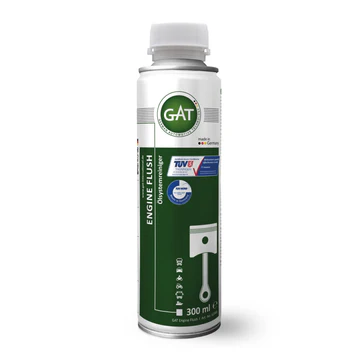
A petrol engine that runs rough, hesitates on acceleration, or drinks fuel faster than it should these aren’t random problems. They’re symptoms. And in most cases, the root cause is carbon buildup sitting inside the fuel system. The right petrol engine cleaner additive addresses this directly, without dismantling a single component. For UK garage mechanics handling petrol vehicles daily, this product isn’t optional. It’s part of doing the job properly.
What Carbon Buildup Actually Does to a Petrol Engine
Every petrol engine produces carbon as a byproduct of combustion. Under normal conditions, most of it clears through the exhaust. But short trips, frequent cold starts, stop-start city driving, and lower-quality fuel all contribute to incomplete combustion. What doesn’t clear sticks on injector tips, inside intake valves, across combustion chamber walls, and on piston crowns.
Once carbon hardens in those areas, it disrupts everything. Fuel injectors can’t spray clean, even mist. Intake valves don’t seal as tightly. Combustion becomes inconsistent. The engine compensates by using more fuel, running rougher, and eventually throwing fault codes. At that point, what started as a maintenance issue becomes a repair job.
Short city trips are the biggest culprit. The engine never reaches a high enough temperature to burn off the deposits naturally. Vehicles used mainly for local runs build carbon far faster than those regularly driven on motorways. Mechanics see this pattern constantly when a car comes in for something unrelated, and the fuel system is already thick with varnish and gunge.
The Warning Signs You Shouldn’t Ignore
Your customer won’t always connect their symptoms to a dirty fuel system. Part of your job is spotting the link. These are the tell-tale signs that a petrol vehicle needs attention:
Increased fuel consumption without an obvious mechanical cause is one of the clearest signals. When injectors can’t atomise fuel correctly, combustion is inefficient. The engine burns more to achieve the same result. Rough idling that familiar shake or stumble when the car sits at a standstill usually points to disrupted airflow and fuel delivery through partially blocked injectors or fouled valves. Sluggish throttle response, where the driver has to press harder to get the same acceleration, follows the same logic.
Hard starting, especially on cold mornings, is another sign. Dirty injectors and clogged valves make it harder for the engine to get the fuel-air mix right at startup. Add in the occasional misfire or a check engine light flagging injector or emissions faults, and the picture becomes clear. Carbon buildup is almost always somewhere in that chain.
How a Petrol Additive Clean Engine Treatment Works
A quality petrol additive clean engine treatment works through chemistry. The active detergent compounds most commonly polyetheramine, or PEA bond to carbon deposits as the treated fuel passes through the system. PEA is aggressive. It breaks down hardened deposits that lighter detergents can’t touch.
The cleaner enters the tank with the fuel. From there, it travels through the entire fuel circuit pump, filter, injector rail, injectors, and into the combustion process. At each stage, it softens and lifts deposits, carrying them out through the exhaust as the engine runs. The process works progressively. One treatment improves the situation noticeably. Consistent use keeps the system clean over time.
A good petrol additive engine cleaner also does more than just clean. Quality formulations include corrosion inhibitors that protect metal surfaces inside the fuel system from moisture and oxidation. Some include octane-enhancing components that improve combustion quality. Others add friction modifiers that reduce wear on injector components. The result is a fuel system that runs cleaner, lasts longer, and costs less to maintain.
Best Petrol Engine Cleaner Additive: What to Look for in a Trade Product
Not every additive on the shelf delivers the same result. For a workshop environment, the product needs to work reliably across a wide range of petrol vehicles from small city cars to larger engined vehicles, from nearly-new to high-mileage machines.
PEA-based chemistry is the benchmark. Research confirms PEA-based cleaners restore injector flow to over 90% of original performance when used correctly. That’s the kind of result that makes a measurable difference on a test drive. Products without PEA typically use lighter detergent compounds that manage light surface deposits but won’t shift established carbon.
Concentration matters too. A product dosed correctly for a standard fuel tank volume typically treating 40 to 70 litres gives consistent results without guesswork. For high-mileage vehicles or those presenting with heavy symptoms, some products allow a double dose on the first treatment to accelerate the cleaning process.
Compatibility across petrol engine types, including direct injection engines, turbocharged units, and older port-injected engines, is also worth checking. A trade-grade product should handle the full range without hesitation.
How to Use a Petrol Additive Engine Cleaner Correctly
Timing matters with these products. Add the cleaner to a low fuel tank, then fill up immediately. The fresh fuel mixes the additive evenly throughout the tank, ensuring the correct concentration reaches every part of the system.
After treating, a longer run motorway driving or a sustained open road journey gives the best results. The engine stays at full operating temperature, fuel flow is consistent, and the additive has the best opportunity to work through the injectors and combustion chamber thoroughly. Short city runs after treatment will still work, but slower.
Replace the fuel filter before or shortly after treatment on high-mileage vehicles. As deposits loosen and pass through the system, a partially blocked filter can restrict flow at the worst moment. For regular maintenance, treating every 3,000 to 5,000 miles keeps the fuel system in consistently good condition. For vehicles showing symptoms, treat at the first sign and reassess after one full tank.
Keep Every Petrol Vehicle Running at Its Best
Carbon buildup doesn’t announce itself until the symptoms are already affecting performance. By the time a customer notices the fuel economy drop or the rough idle, the deposits have been there for a while. Routine use of a petrol engine cleaner additive stops that cycle before it starts.
Every petrol vehicle that leaves your workshop should leave in better condition than it arrived. Stocking the right products makes that standard easier to maintain. M3CHS supplies trade-grade petrol additives and workshop consumables built for UK mechanics who hold their work to a high standard. Visit us and keep your workshop stocked before the seasonal rush hits and stock runs short.
Frequently Asked Questions
Can a petrol engine cleaner additive fix rough idling?
In most cases, yes when rough idling is caused by dirty injectors or fouled intake valves. If the cause is mechanical, the additive won’t resolve it, but it eliminates the most common culprit first.
Is it safe to use a petrol additive in turbocharged engines?
A quality, correctly formulated petrol additive is safe for turbocharged and direct injection engines. Always check the product specification to confirm compatibility before use.
How quickly will I see results after using a petrol additive?
Most drivers and mechanics notice an improvement within one full tank. For heavily contaminated systems, a second treatment may be needed to complete the clean.
Should I use a petrol engine cleaner additive on a new vehicle?
New vehicles benefit from preventive use. Regular treatment every 5,000 miles keeps the fuel system clean from the outset and avoids the buildup that accumulates over time.
Can a petrol additive replace professional injector cleaning?
For light-to-moderate buildup, it is a highly effective and far more cost-efficient option. Severe, hardened deposits may require professional treatment but a good additive prevents it reaching that stage.
