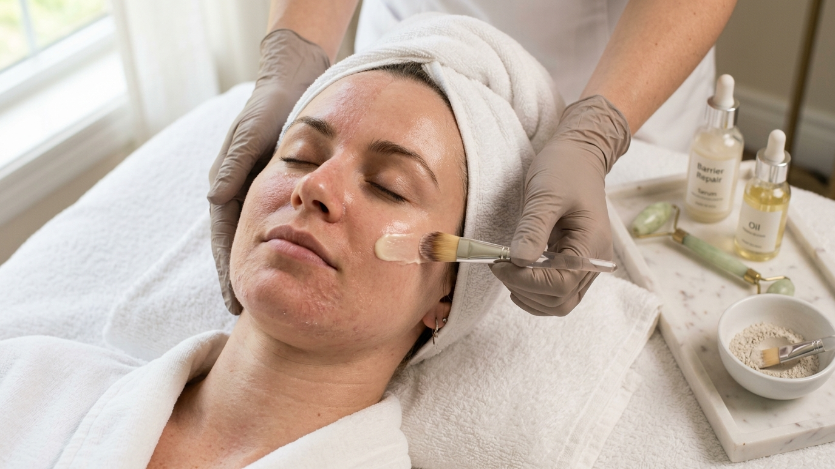
Your skin does far more than simply cover your body. It acts as a living shield, standing between your internal biology and the daily environmental stressors it faces every hour. Yet, this protective system is surprisingly fragile, and most people never realize it has been compromised until the damage has already taken hold. Redness that will not settle, a tight feeling after washing your face, sudden sensitivity to products you have used for years, persistent dryness, no amount of moisturizer seems to fix — these are not random inconveniences. They are signals. Your skin is asking for help. Understanding what those signals mean and knowing where to turn for effective, restorative care can make all the difference between skin that simply survives and skin that genuinely thrives.
What Exactly Is the Skin Barrier?
Before identifying damage, it helps to understand what you are actually protecting. The skin barrier, also known as the stratum corneum, is the outermost layer of the epidermis. Think of it as a brick wall where skin cells act as the bricks and a mixture of lipids, including ceramides, fatty acids, and cholesterol, form the mortar holding everything together. This structure keeps moisture locked inside and keeps harmful irritants, bacteria, pollutants, and allergens locked out.
When this system is functioning properly, your complexion looks balanced and feels comfortable throughout the day. When it breaks down, even slightly, that protective wall develops invisible gaps. Moisture escapes. Irritants enter. Inflammation follows. Everything begins to feel and look out of sync.
Common Signs That Your Skin Barrier Is Compromised
Persistent Dryness and Tightness
One of the earliest and most consistent indicators of a compromised skin barrier is a chronic feeling of dryness and tightness, particularly after cleansing. Healthy skin should feel comfortable and relatively supple after washing. If your face feels like it is pulling or stretching immediately after rinsing, moisture is not being retained the way it should be. Over-the-counter moisturizers may offer temporary relief but will not address the underlying structural issue.
Redness, Irritation, and Increased Sensitivity
When the barrier is weakened, the skin loses its ability to regulate its response to external stimuli. Products that once felt perfectly fine can suddenly cause stinging, burning, or flushing. Fragrance, alcohol-based toners, or even certain active ingredients like retinol or exfoliating acids may trigger reactions that were never an issue before. This kind of reactivity is a clear sign that the outermost protective layer is no longer functioning at full capacity.
Flakiness, Rough Texture, and Dullness
Healthy skin undergoes a natural cell turnover process that keeps the surface smooth and luminous. When the barrier is damaged, this cycle is disrupted. Dead skin cells accumulate unevenly, creating patches of flakiness, a rough texture, and a generally dull, lackluster appearance. No amount of makeup can convincingly cover this kind of surface irregularity, which is why treating the root cause is always more effective than masking the symptom.
Breakouts in Unusual Patterns
It might seem counterintuitive, but a damaged barrier can actually trigger acne and breakouts, even in people who do not typically struggle with blemishes. When the barrier is compromised, bacteria can penetrate more easily and inflammatory responses become more frequent. People often respond to these breakouts by reaching for harsh, stripping products, which only damages the barrier further and creates a frustrating cycle that is difficult to break without professional intervention.
Prolonged Healing Time
Minor irritations, small blemishes, or areas of inflammation that take an unusually long time to resolve are another telling sign. When the barrier is intact, the skin’s natural repair mechanisms work efficiently. When it is damaged, those same mechanisms are slowed, leaving marks, redness, and post-inflammatory pigmentation lingering far longer than they should.
What Causes a Damaged Skin Barrier?
Understanding the cause is just as important as recognizing the symptoms. Several factors can compromise the skin’s outermost protective layer, including over-exfoliation, prolonged use of harsh cleansers, environmental exposure to wind and pollution, extreme temperatures, stress, hormonal fluctuations, and poor sleep quality. In many cases, well-intentioned skincare routines are themselves part of the problem. Using too many active ingredients simultaneously, over-cleansing, or following trending routines without considering individual skin type can gradually strip away the very protection the skin relies on.
How Professional Facials Support Skin Barrier Repair
The Limitations of a DIY Approach
Home skincare routines, while valuable, have real limitations. Most over-the-counter products are formulated to be broadly safe, meaning they are not always calibrated for the specific needs of compromised skin. Without a professional assessment, it is easy to inadvertently continue using products that aggravate barrier damage while believing you are healing it. This is why so many people spend months or even years cycling through products without seeing meaningful improvement.
Why a Trained Esthetician Makes the Difference
A licensed esthetician can assess the actual condition of your skin using professional-grade analysis tools and trained observation. They can identify where barrier damage is most severe, determine the contributing factors based on your skin history, and design a treatment protocol that addresses the root cause rather than simply soothing the surface. For those seeking a gentle, results-driven approach, European facials Herndon, VA offer an excellent option, combining plant-derived, non-toxic ingredients with expert technique to rebuild moisture levels and restore balance without introducing additional chemical stress to already-sensitized skin.
Hydrating and Barrier-Boosting Treatments
Professional facial treatments designed for barrier repair typically focus on deep hydration, ingredient delivery, and calming inflammation. Hyaluronic acid infusions draw moisture into the deeper layers of the skin. Ceramide-rich masks physically reinforce the lipid matrix of the barrier. Enzyme-based exfoliation removes surface buildup gently, without the mechanical or chemical aggression that can worsen damage. These are treatments that work with the skin’s biology rather than against it.
The Role of Facial Massage and Lymphatic Support
Beyond the products applied during a professional facial, skilled massage techniques offer measurable benefits for compromised skin. Lymphatic drainage massage helps reduce retained fluid and inflammation, while structured facial massage stimulates circulation and supports the delivery of nutrients to epidermal cells. These physical techniques complement topical treatments and accelerate the overall recovery of the skin barrier.
Personalized Post-Treatment Guidance
One of the most overlooked advantages of seeking professional help is the guidance that comes with it. After a corrective facial, a knowledgeable esthetician will provide a simplified, targeted home care protocol that supports the work done during the treatment. Rather than navigating a crowded market of products independently, you leave with a clear, customized plan that gives your skin the consistency it needs to rebuild effectively.
Building Long-Term Skin Barrier Health
Repairing a damaged barrier is not a single-session solution. It is a process that requires patience, consistency, and a commitment to treating your skin as the complex biological system it actually is. Most clients undergoing a course of professional facials aimed at barrier repair begin to notice measurable improvement within four to six weeks, with full restoration taking somewhat longer depending on the degree of damage and individual skin biology.
Alongside professional treatments, lifestyle adjustments play a meaningful supporting role. Prioritizing quality sleep, managing stress, staying well hydrated, and protecting the skin with a broad-spectrum SPF every day all contribute to maintaining the structural integrity of the barrier once it has been rebuilt. Simplifying your at-home routine to a gentle cleanser, a barrier-supportive moisturizer, and sun protection can also prevent re-damage while your skin is in recovery mode.
Conclusion
The skin barrier is not just another skincare buzzword. It is the foundation of everything your skin does — from retaining moisture and resisting infection to aging gracefully and responding well to the products you use. When that foundation is cracked, no surface-level fix will provide lasting results. Recognizing the signs of damage early and responding with appropriate, professional care is the most effective path back to skin that looks healthy because it genuinely is. Whether you are dealing with chronic sensitivity, unexplained breakouts, or persistent dryness, the answer is rarely more products. More often, it is the right care, delivered with expertise, and supported by the kind of personalized attention that only a skilled professional can provide. Your skin barrier has been working hard to protect you. It deserves the same investment in return.
