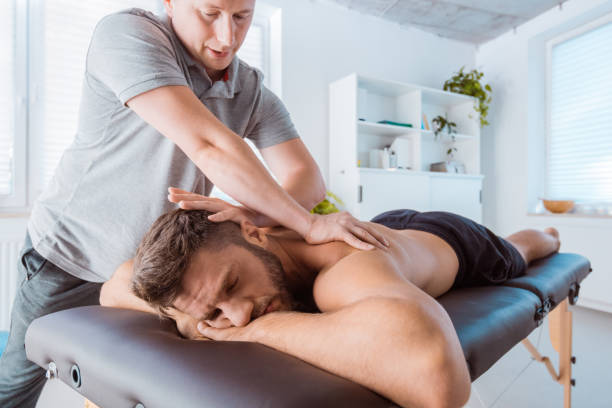
Pain is one of the most common reasons people seek healthcare, whether it comes from an injury, a chronic condition, or everyday stress. For many, managing pain is more than just addressing discomfort—it’s about improving the quality of life, being able to move freely, and doing daily activities without limitations. While medications and surgeries have long been standard solutions, more people are looking for safer, non-invasive options. This is where medical massage comes in.
Medical massage is a targeted form of therapy that goes beyond simple relaxation. It focuses on addressing the root causes of pain and supporting the body’s natural ability to heal. Over the years, it has gained recognition among patients and healthcare providers alike, becoming a popular choice for pain management.
In this article, we’ll explore what medical massage is, how it works, the types of conditions it can help with, and why more people are turning to it for lasting relief.
What Is Medical Massage?
Medical massage is different from a regular spa or relaxation massage. It is specifically designed to treat injuries, chronic pain, or other medical conditions. Therapists trained in medical massage assess the body, identify problem areas, and use techniques that target the specific issues causing pain.
Some common techniques used in medical massage include deep tissue massage, trigger point therapy, myofascial release, and neuromuscular therapy. Each approach focuses on relieving tension, improving mobility, and helping the body heal. Unlike general massages, medical massage is customized to each individual and often works in conjunction with a healthcare plan.
Why People Are Choosing Medical Massage
Managing pain is not just about reducing discomfort—it’s about improving overall health and well-being. Medications like pain relievers can help temporarily but may cause side effects or dependency when used long-term. Surgery can be effective but involves risks, recovery time, and often significant costs.
Medical massage provides a safe, non-invasive alternative. It is increasingly popular because it:
- Targets the source of pain rather than just masking it
- Helps the body heal naturally
- Improves physical function and mobility
- Reduces stress and tension, which often worsen pain
This combination of benefits makes medical massage a preferred choice for many people looking for a holistic approach to pain management.
How Medical Massage Helps the Body
Medical massage works in several ways to ease pain and improve health:
Reduces Muscle Tension
Tight muscles are a common cause of pain. Techniques like deep tissue massage and trigger point therapy help release tension, allowing muscles to relax and move more freely.
Improves Circulation
Massage increases blood flow to affected areas, which delivers oxygen and nutrients to tissues. This supports healing and helps reduce inflammation that may be contributing to pain.
Supports the Nervous System
Some massage techniques target the nervous system to help reduce pain signals. This can be particularly effective for conditions like sciatica or nerve-related pain.
Promotes Relaxation and Stress Relief
Pain can make stress and anxiety worse. By encouraging the release of natural pain-relieving hormones, medical massage can improve mood, reduce tension, and create a sense of overall well-being.
Helps the Body Heal Faster
Medical massage also encourages lymphatic drainage, which removes waste and toxins from the body. This is especially helpful after injuries or surgery, as it can reduce swelling and speed up recovery.
Conditions That Benefit from Medical Massage
Medical massage is versatile and can help with a variety of conditions. Some of the most common include:
- Chronic back and neck pain
- Arthritis or joint stiffness
- Sports injuries
- Fibromyalgia
- Headaches and migraines
- Post-surgical recovery
People with these conditions often find that medical massage not only reduces pain but also improves their ability to move comfortably and perform everyday tasks.
Why Medical Massage Works Better for Many People
There are several reasons why medical massage is becoming a go-to treatment for pain management:
- It is safe and non-invasive. Unlike medications or surgery, it doesn’t carry significant risks.
- It is personalized. Each session is tailored to the patient’s specific needs and health condition.
- It promotes long-term benefits. Regular treatment can improve posture, flexibility, and muscle function, which helps prevent pain from returning.
- It addresses both body and mind. By reducing stress and tension, medical massage supports emotional well-being along with physical relief.
Scientific research also supports the effectiveness of medical massage. Studies have shown it can reduce chronic back and neck pain, relieve tension headaches, and help with post-injury recovery. This evidence strengthens its reputation as a reliable method of pain management.
Integrating Medical Massage Into a Pain Management Plan
Medical massage works best when combined with other healthy practices. Exercise, proper posture, and lifestyle adjustments can enhance its effects. Many healthcare providers recommend using medical massage alongside physical therapy or targeted exercises to achieve the best results.
Patients should also ensure they work with trained medical massage therapists who understand their condition and can provide appropriate techniques. Proper guidance ensures the therapy is safe and effective.
Conclusion
Pain affects every aspect of life, and finding a solution that is both effective and safe is important. Medical massage has emerged as a leading choice because it treats the source of pain, supports healing, and provides lasting relief without the risks associated with medications or surgery.
Whether someone is dealing with chronic pain, recovering from an injury, or managing stress-related muscle tension, medical massage offers a practical and holistic approach to feeling better.
For those looking to explore this therapy, SF Custom Chiropractic offers professional medical massage treatments designed to help patients regain mobility, reduce pain, and improve their overall quality of life.
With its focus on targeted, individualized care and long-term benefits, medical massage is becoming more than just a complementary therapy—it is now a trusted part of modern pain management strategies.
