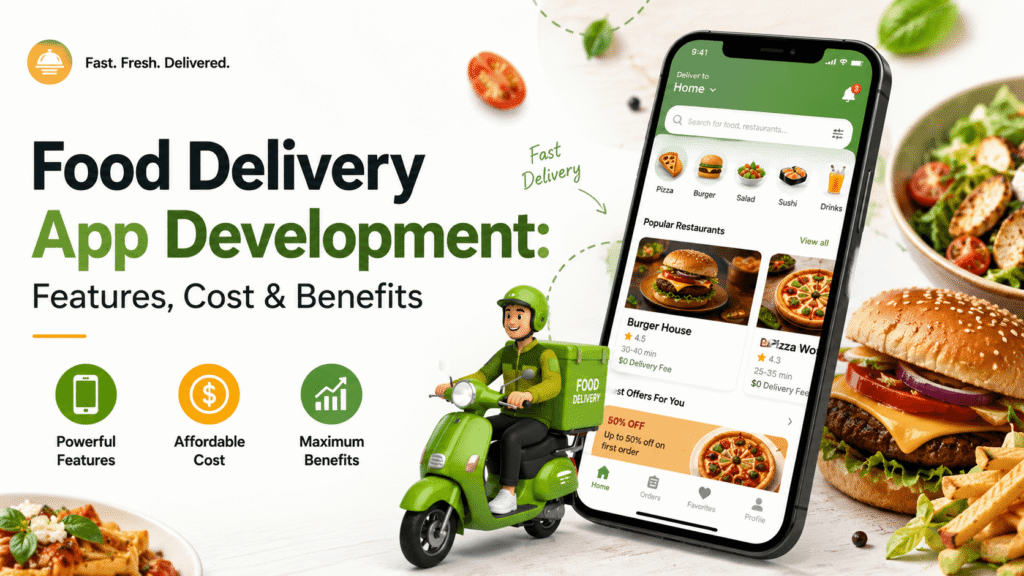
In recent years, the food delivery industry has experienced exponential growth, fueled by shifting consumer preferences and advancements in technology. As more people seek convenience and a diverse array of dining options at their fingertips, the demand for food delivery apps has surged.
Developing a robust and user-friendly food delivery app requires careful planning, a keen understanding of market trends, and the integration of essential features that enhance user experience. This article will explore the key aspects of food delivery app development, including must-have features, cost considerations, and the numerous benefits these applications bring to businesses and consumers alike.
Overview of Food Delivery App Development
The world of food delivery apps has been cooking up quite the storm in recent years. With the rise of on-demand services, these apps have become the digital lifeline between hungry customers and their favorite meals. Whether it’s pizza at midnight or a gourmet dinner on a Tuesday, the convenience of ordering food with a few taps (and zero pants) has turned into an industry powerhouse.
Industry Growth and Market Trends
The food delivery sector is sizzling, with growth rates that would make any investor drool. Market trends show that more consumers are turning to their screens for meals rather than venturing out, and the pandemic only fanned the flames. With forecasts suggesting continued expansion, it’s not just about convenience; it’s about creating experiences. Sustainability, health-conscious options, and AI-driven recommendations are the new ingredients in this evolving menu.
Target Audience and User Demographics
The typical food delivery app user is as diverse as the menu options themselves. Millennials and Gen Z are leading the charge, often prioritizing convenience and variety. However, it’s not just the young guns; busy professionals, families, and older adults are flocking to these services too. The common denominator? A craving for delicious food delivered fast – and the willingness to pay for the privilege. Understanding these demographics helps developers tailor their apps to meet the appetites of all sorts of users.
Key Features of Food Delivery Apps
Building a food delivery app is like creating a perfect sandwich: you need the right layers to make it delicious. Here are the key features to consider when crafting your digital culinary masterpiece.
User Registration and Authentication
First up, user registration – the door to your virtual restaurant. A seamless sign-up process, whether through email, social media, or a “Why not just use your face?” biometrics option, ensures that customers feel welcomed. Security measures like two-factor authentication will keep their data safe while they browse for their next meal.
Menu Management and Customization
Next, let’s talk about the menu – the star of the show! This feature allows restaurants to showcase their culinary delights, complete with mouth-watering images and descriptions. Customization options mean users can tweak their orders (extra cheese, please!) and find their favorites easily. A robust backend for updates will ensure menus are always fresh and relevant.
Real-Time Order Tracking
No one likes the “where’s my food?” panic. Real-time order tracking is like having a personal food GPS. Customers can see exactly where their meal is in the delivery process, from kitchen to doorstep, adding a sprinkle of excitement (and reducing anxiety) to the waiting game.
Payment Integration Options
Let’s face it: without the ability to pay, it’s all just a dreamy fantasy. Multiple payment integration options, including credit/debit cards, mobile wallets, and even good old cash, make checkouts smoother than a well-blended smoothie. The more options, the happier the users.
Customer Feedback and Rating Systems
Last but not least, customer feedback and rating systems help maintain quality control. Users can leave reviews and rate their experiences, guiding other diners and helping restaurants improve. Bonus: it creates a sense of community, turning solitary meals into shared experiences.
Types of Food Delivery Apps
Now that we’ve covered the must-have features, let’s take a look at the different flavors of food delivery apps available in the market.
Restaurant-Specific Apps
These apps cater to individual restaurants, allowing them to build their brand and customer loyalty. With customized menus and unique promotions, they provide users with a direct line to their favorite eateries, cutting out the middleman while serving up some personal touch.
Aggregator Platforms
Aggregator platforms are like buffet tables for food lovers, offering a smorgasbord of restaurant options in one place. Users can explore various cuisines and discover new places without committing to a single establishment. It’s convenience in abundance – but just make sure to leave room for dessert.
Grocery and Convenience Delivery Apps
Gone are the days when you had to brave the grocery store after a long day. Grocery and convenience delivery apps bring essentials right to your doorstep. Whether it’s snacks for movie night or ingredients for that gourmet recipe you’ve been eyeing, these apps are all about filling your pantry without you having to lift a finger (or groan at the checkout line).
Development Cost Breakdown
The ingredients for a successful food delivery app come with a price tag. Let’s break down the costs involved in whipping up this digital feast.
Initial Development Costs
Getting started involves upfront costs that cover design, development, and testing. Depending on the complexity of features and platforms (iOS, Android, or both), initial development can range from a couple of thousand bucks to six figures. It’s like buying ingredients – go for quality to ensure a delectable outcome.
Ongoing Maintenance and Updates
Like a fine wine, your app requires regular care and updates to keep it fresh. Ongoing maintenance costs can add up, covering server fees, debugging, and adding those new trendy features users crave. It’s the investment that keeps your app relevant and running smoothly.
Marketing and Customer Acquisition Expenses
A fabulous app means nothing if no one knows about it. Marketing and customer acquisition are crucial for standing out in a crowded market. Costs here can range from digital advertising and promotional offers to influencer partnerships, depending on how loud you want your marketing trumpet to blare. Just remember: it’s worth it when the orders start rolling in!
Factors Influencing Development Costs
Complexity of Features
When it comes to food delivery apps, the more features you cram in, the more it tends to cost. Basic functionalities like order placement, payment processing, and tracking won’t break the bank, but if you’re dreaming of adding advanced options like real-time chat, AI recommendations, or multi-language support, prepare to budget a bit more. Basically, think of it as building a gourmet sandwich—more layers mean a heftier price tag.
Platform Choice: iOS, Android, or Both
Deciding whether to develop for iOS, Android, or both is a critical cost factor. Each platform requires its own unique coding, like speaking different languages. Going for both is like hiring a translator for that extra reach, but it also means multiplying development efforts and costs. So, unless you’ve got deep pockets or a genie who grants wishes for app launches, choose wisely!
Geographical Location of Development Team
Your development team’s location plays a huge role in pricing. Hiring a local team might give you the comfort of face-to-face meetings (and probably a stronger coffee), but it can also come with a hefty price tag. On the flip side, offshore teams can offer competitive rates, but you might have to navigate different time zones and communication styles. Think of it as choosing between a neighborhood diner and a fancy restaurant across town—both have their perks, but the bill will look different.
Benefits of Food Delivery Apps for Businesses
Increased Reach and Customer Base
With a food delivery app, your business can reach beyond the doors of your restaurant. Imagine extending your aroma to the next town over (or maybe just down the road). By catering to a wider audience, you open yourself to more orders, which translates to more revenue. It’s like having an all-you-can-eat buffet for customers—attracting more hungry patrons who didn’t even know they were missing out!
Enhanced Customer Engagement and Loyalty
Food delivery apps create a direct line to your customers, allowing you to engage them with personalized offers, promotions, and notifications. It’s like your very own loyalty program on speed dial! Keeping customers engaged can transform occasional diners into loyal fans who just can’t resist placing that 3 a.m. taco order.
Data Analytics for Improved Decision Making
Have you ever wished you could read your customers’ minds? Well, with data analytics, you don’t have to! Food delivery apps can collect valuable data on customer preferences, order patterns, and peak times. Armed with this intel, you can make informed decisions, fine-tune your menu, or even discover the magic hour for burrito sales. Knowledge is power, my friend!
User Experience and Interface Design Considerations
Importance of User-Friendly Design
A user-friendly design is paramount—nobody wants to wrestle with an app that feels like a Rubik’s cube. A clean layout, intuitive navigation, and minimal clicks to checkout can make or break the user’s experience. The smoother the journey, the more likely they’ll add extra fries to their order. User experience should be as easy as pie… or, you know, pizza.
Mobile Responsiveness and Performance
In a world where waiting for a page to load feels like watching paint dry, mobile responsiveness is non-negotiable. Your app needs to perform seamlessly on various devices and screens. If users have to wait or deal with glitches, they’ll likely bounce faster than a dropped burger. Speed and performance are your best friends in keeping users happy and engaged.
Accessibility Features
Designing an app that everyone can use is not just a nice-to-have; it’s a must-have. Accessibility features like voice commands, larger text options, and easy navigation ensure that people of all abilities can order their favorite food without hassle. When you make your app inclusive, you open your doors to a whole new crowd—and that’s a win for everyone involved!
Future Trends in Food Delivery App Development
Integration of AI and Machine Learning
AI and machine learning are no longer just buzzwords; they’re shaping the future of food delivery apps. Imagine predictive algorithms that can suggest your next meal based on what you ordered last week while you ravenously scroll. In the game of food ordering, AI is the player with the best cheat codes, enhancing personalization and streamlining service.
Contactless Delivery and Safety Features
In a post-pandemic world, contactless delivery features are more essential than ever. Customers crave safety, and offering touch-free deliveries can help ease their minds while satisfying their cravings. Whether it’s through designated drop-off points or clever delivery technology, ensuring health protocols are in place can be a game changer for customer trust.
Sustainability and Eco-Friendly Practices
Sustainability is not just a trend; it’s a lifestyle choice for many consumers. Incorporating eco-friendly practices into your food delivery app, like sustainable packaging options or partnering with local farms, can enhance your brand image and appeal to environmentally-conscious customers. After all, it’s a win-win when your app helps the planet while delivering delicious food!
The development of a food delivery app presents a significant opportunity for businesses to tap into a growing market and meet the evolving needs of consumers. By understanding the essential features, associated costs, and potential benefits, entrepreneurs can create an impactful app that not only enhances customer satisfaction but also drives revenue growth. As technology continues to advance and consumer behaviors shift, staying informed about industry trends will be crucial for sustained success in the food delivery sector.
Frequently Asked Questions
What are the essential features to include in a food delivery app?
Essential features include user registration, menu management, real-time order tracking, payment integration, and customer feedback systems.
How much does it typically cost to develop a food delivery app?
The cost can vary significantly based on complexity, features, and the development team’s location, typically ranging from $30,000 to $150,000 or more.
What types of food delivery apps exist?
There are primarily three types: restaurant-specific apps, aggregator platforms that connect multiple restaurants, and grocery or convenience delivery apps.
How can a food delivery app benefit my business?
A food delivery app can increase your market reach, enhance customer engagement and loyalty, and provide valuable data analytics for improved decision-making.
