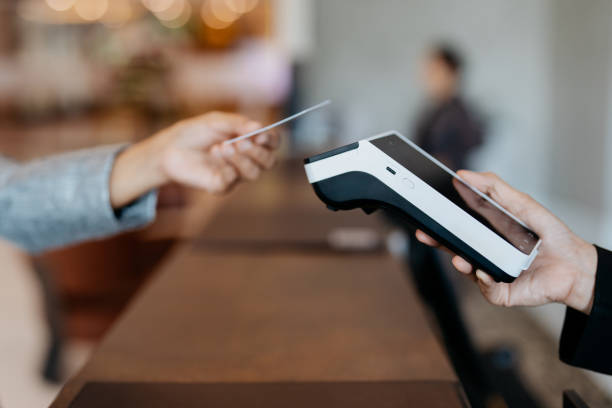
In the modern world, vending machines are no longer just coin-operated devices. Today’s customers expect fast, easy, and cashless ways to pay for snacks, drinks, and other products. To keep up with these expectations, vending machine operators need to offer multiple payment options, including credit and debit cards, mobile wallets, and contactless payments. Choosing the right card reader is an important decision because it can affect customer satisfaction, sales, and the overall efficiency of your vending operations.
Adding a card reader to your vending machine is not just about convenience; it is also about staying competitive. Machines that accept cards attract more customers, increase sales, and reduce the risk of handling cash. However, not all card readers are the same. Some are better suited for certain machines, while others may offer additional features like mobile payments, inventory tracking, or remote management. Understanding your options and picking the right technology is key to ensuring your vending machine meets the needs of today’s consumers.
Types of Card Readers
There are three main types of card readers used in vending machines: magnetic stripe readers, EMV chip readers, and contactless readers. Magnetic stripe readers are the oldest technology and can read the data stored on a card’s magnetic strip. While they are usually cheaper, they are more vulnerable to fraud. EMV chip readers are more secure, encrypting transaction information to prevent unauthorized access. Contactless readers, including NFC-enabled devices, allow customers to pay quickly with a tap of their card or smartphone. Each type has its advantages, and the choice depends on your budget, security requirements, and the preferences of your customers.
Compatibility with Your Vending Machine
Before choosing a card reader, it’s essential to check whether it is compatible with your vending machine. Some readers may only work with certain machines or require specific software. Ensuring compatibility prevents technical problems and reduces downtime caused by malfunctioning devices. A properly integrated card reader will work smoothly with the machine’s control board and management system, allowing for seamless transactions and easy tracking of sales and inventory.
Security and Fraud Prevention
Security is a major concern when handling cashless payments. Card readers must comply with global security standards to protect customer information. EMV-certified readers and devices with end-to-end encryption reduce the risk of fraud and theft. Some modern readers even include tamper detection features to alert operators if someone tries to interfere with the machine. Investing in a secure card reader not only protects customers but also builds trust, which can lead to repeat business.
Convenience for Customers
Convenience is one of the main reasons people prefer card payments over cash. A slow or difficult-to-use card reader can frustrate customers and reduce sales. Look for readers that process transactions quickly and offer multiple payment options, including mobile wallets. Touchscreens, clear instructions, and backlit displays improve the user experience, especially in poorly lit areas or during busy periods. Making payments easy encourages more people to use your vending machine.
Durability and Reliability
Vending machines face heavy usage and can be exposed to outdoor elements. A durable card reader made from sturdy materials will last longer and reduce maintenance costs. Look for features like waterproofing, dust resistance, and anti-vandal protection. Investing in a reliable reader ensures that your vending machine works consistently and maintains a professional image for customers.
Cost Considerations
While it may be tempting to choose the cheapest reader available, it is important to consider the total value. A low-cost reader may have limited features or security risks, while a higher-priced device could increase sales and last longer. Don’t forget to account for hidden costs such as software subscriptions, payment processing fees, and installation expenses. Choosing the right reader is an investment that can improve your vending business over time.
Easy Installation and Maintenance
Some card readers are plug-and-play, making installation simple. Others may require professional setup. Remote software updates and diagnostic tools can make maintenance easier, especially if you manage multiple machines. A reader that is easy to maintain reduces downtime, saves labor costs, and keeps machines operating efficiently.
Integration with Management Systems
Modern vending operators often use software to track sales, manage inventory, and plan restocking routes. A card reader that integrates with these management systems can provide valuable insights. Real-time data allows operators to make decisions based on customer behavior and product performance. This integration can help increase efficiency, reduce waste, and maximize profits. For more details on a reliable solution, check out this card reader on vending machine that combines multiple payment options and management features.
Planning for the Future
The world of payments is constantly evolving. New technologies like biometric payments, cryptocurrency, and improved contactless systems are emerging. Choosing a card reader that can be upgraded or supports future payment methods ensures your vending machine stays relevant and competitive. This forward-thinking approach protects your investment and keeps your machines ready for the next wave of payment technology.
Conclusion
Selecting the right card reader for your vending machine is about more than just accepting cards. It involves considering security, convenience, compatibility, durability, cost, and future trends. The right reader will improve customer experience, increase sales, and make managing your machines easier. By carefully evaluating your options and choosing a reader that fits your business needs, you can turn your vending machines into modern, efficient, and profitable assets.
