Hair loss affects millions of people across Canada. For some, it begins with gradual thinning around the hairline. Others may notice widening parts, reduced volume, or increased hair shedding during everyday activities such as brushing or washing their hair. While hair loss can happen for many reasons, modern treatments have created new options for people looking to improve hair density without surgery.
One treatment that continues to gain attention is PRP therapy hair treatment. This procedure uses components from a person’s own blood to support scalp health and encourage healthier hair growth. Many Peoples choose PRP because it is minimally invasive and focuses on working with the body’s natural healing processes.
What Is PRP Therapy?
PRP stands for Platelet-Rich Plasma.
Platelets are small cells found in blood that contain growth factors. These growth factors play an important role in healing and tissue repair throughout the body.
In a PRP therapy hair treatment, a small sample of blood is taken from the patient. The blood is then placed into a specialized machine called a centrifuge. This machine separates the platelet-rich plasma from the rest of the blood.
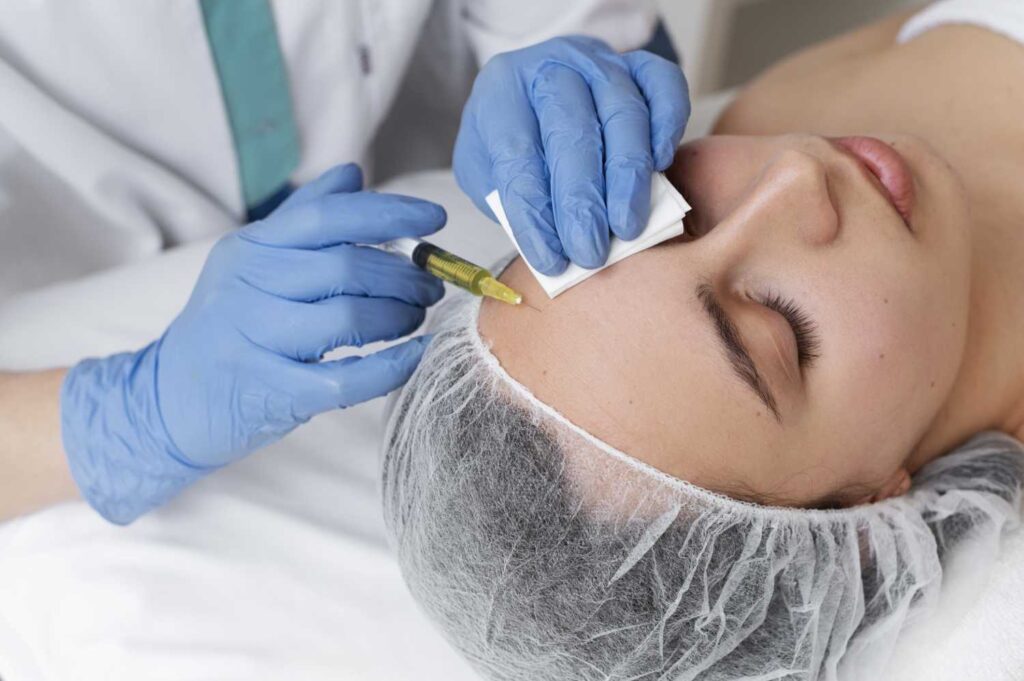
Once prepared, the concentrated plasma is injected into targeted areas of the scalp where hair thinning has occurred.
The goal is to support healthier follicles and improve the environment where hair grows.
Why Does Hair Loss Happen?
Hair loss can develop for many different reasons.
Some of the most common causes include:
- Genetics
- Aging
- Hormonal changes
- Stress
- Nutritional deficiencies
- Medical conditions
- Certain medications
For many people, hair thinning develops gradually over time.
Because hair loss can have multiple causes, a professional assessment is important before starting treatment.
Understanding the reason behind hair loss helps determine whether PRP may be an appropriate solution.
How Does PRP Therapy Hair Treatment Work?
The treatment focuses on supporting the scalp and hair follicles.
Growth factors found within platelet-rich plasma may help:
- Support blood circulation
- Encourage healthier follicle activity
- Improve scalp health
- Strengthen existing hair
Rather than creating new follicles, PRP aims to support follicles that are still active but may not be functioning at their full potential.
This is why many providers recommend treatment during the earlier stages of hair thinning.
Who Is a Good Candidate?
Not everyone experiences hair loss in the same way.
Many candidates for PRP therapy hair treatment include people who:
- Notice early hair thinning
- Want a non-surgical option
- Have realistic expectations
- Want to support existing hair growth
- Are you looking for a treatment with minimal downtime
A consultation helps determine whether the treatment aligns with a patient’s goals and hair loss pattern.
What Happens During a PRP Session?
Most appointments follow a straightforward process.
Step 1: Consultation
The provider evaluates the scalp and discusses hair concerns.
Step 2: Blood Collection
A small amount of blood is drawn from the patient.
Step 3: Plasma Preparation
The blood is processed to isolate platelet-rich plasma.
Step 4: Scalp Injections
The plasma is injected into specific areas of the scalp.
The entire appointment often takes less than an hour.
Most patients can return to their regular activities shortly afterward.
How Long Does It Take to See Results?
Hair growth is naturally slow.
As a result, PRP does not provide instant results.
Many patients begin noticing changes over several months.
A typical timeline may include:
First Few Weeks
Little visible change may occur.
Two to Three Months
Hair shedding may stabilize.
Three to Six Months
Patients often begin noticing improvements in thickness and density.
Six Months and Beyond
Results may continue to develop depending on the treatment plan.
Patience is important because hair growth requires time.
Is PRP Safe?
One reason many Peoples choose PRP is that it uses material from their own body.
Because the plasma comes from the patient’s blood, the risk of allergic reactions is generally lower compared to some other treatments.
However, every procedure carries potential risks.
Possible temporary side effects may include:
- Mild tenderness
- Redness
- Swelling
- Temporary discomfort
A qualified healthcare provider can explain the risks and benefits during consultation.
What Makes PRP Different From Other Hair Loss Treatments?
There are several treatment options available for hair loss.
These may include:
- Medications
- Hair transplants
- Topical treatments
- Lifestyle modifications
PRP occupies a unique position because it focuses on supporting the body’s natural healing response.
Some patients choose PRP before considering surgical options.
Others use it as part of a broader hair restoration plan.
Understanding Microneedling With PRP
While PRP is commonly associated with hair restoration, platelet-rich plasma is also used in skin treatments.
One popular example is microneedling with PRP.
This procedure combines microneedling with platelet-rich plasma to support skin renewal and collagen production.
Tiny microchannels are created in the skin, allowing the plasma to penetrate more effectively.
Many patients choose microneedling with PRP to improve:
- Skin texture
- Fine lines
- Uneven tone
- Overall skin appearance
Although the treatment area differs, both procedures rely on platelet-rich plasma and the body’s natural healing processes.
The Growing Interest in Regenerative Treatments
Across Canada, more people are exploring treatments that work with the body’s natural systems.
This growing interest has contributed to the popularity of PRP-based procedures.
Patients often appreciate options that:
- Require minimal downtime
- Focus on gradual improvement
- Avoid major surgery
- Support natural-looking results
These characteristics make PRP attractive to many individuals seeking hair restoration.
Other Cosmetic Procedures Peoples Explore
People interested in appearance-related treatments often research multiple options before making decisions.
For example, some individuals considering facial balance may explore a nose job Toronto specialists perform.
Rhinoplasty focuses on reshaping the nose to improve appearance or breathing function.
Although rhinoplasty and PRP hair restoration serve different purposes, both involve careful consultation and personalized planning.
Skin Concerns and Long-Term Confidence
Hair loss is not the only appearance concern that affects confidence.
Many Peoples also seek professional acne scars treatment Toronto clinics provide.
Acne scars can remain long after active breakouts disappear.
Treatment options vary depending on scar type and severity.
Improving skin texture often contributes significantly to overall confidence and well-being.
Facial Enhancements and Personal Choice
Cosmetic treatments continue to evolve as people seek personalized solutions.
For example, lip injections Toronto providers offer remain a popular option for individuals interested in enhancing lip volume while maintaining natural facial proportions.
Just like hair restoration, these treatments are highly personal decisions that should be based on individual goals and realistic expectations.
Questions to Ask Before Starting PRP Therapy
Before committing to treatment, consider asking:
- Am I a suitable candidate?
- How many sessions may be required?
- What results are realistic?
- What is the expected timeline?
- What aftercare should I follow?
The answers can help you make an informed decision.
Practical Expectations Matter
One of the most important things to understand is that PRP is not a guaranteed cure for every form of hair loss.
Results vary from person to person.
Factors that may influence outcomes include:
- Age
- Hair loss severity
- Overall health
- Consistency of treatment
- Lifestyle habits
Patients who approach treatment with realistic expectations often feel more satisfied with their results.
Final Thoughts
PRP therapy hair treatment has become an increasingly popular option for Peoples looking for a non-surgical way to address hair thinning and support healthier hair growth. By using platelet-rich plasma derived from the patient’s own blood, the treatment focuses on improving scalp health and encouraging stronger follicle activity over time.
While results vary, many people appreciate the gradual and natural approach that PRP offers. Related procedures such as microneedling with PRP continue to grow in popularity for skin rejuvenation. At the same time, treatments like acne scar treatment in Toronto, lip injections in Toronto, and consultations for a nose job in Toronto reflect the growing interest in personalized cosmetic care.