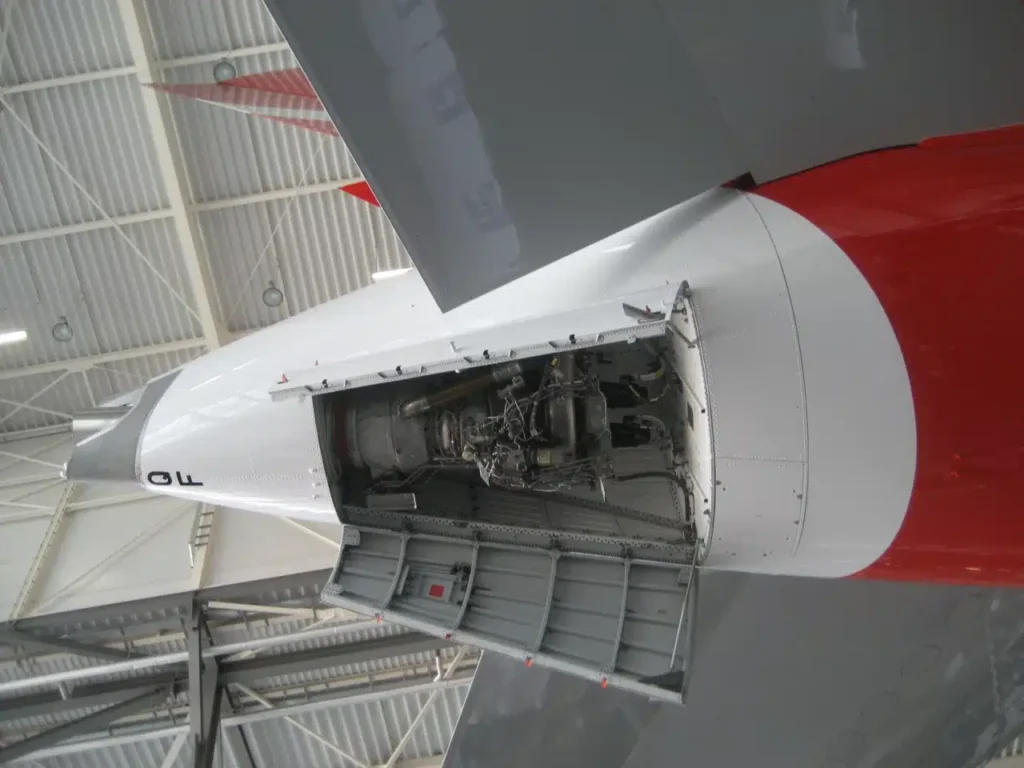
Documentation gaps on an auxiliary power unit rarely create problems at installation. They create problems at lease return, asset sale, or the next transaction, when the receiving party requires records that the operator assumed would be available but cannot be produced. By the time the gap surfaces, the unit may already be installed and in service for months, the original supplier may be unresponsive, and the operator is left holding an asset whose value and airworthiness status are in question. This applies across all APU models in commercial service, and operators managing Honeywell auxiliary power unit assets on high-cycle narrowbody fleets are among those most exposed, given the transaction frequency those fleets generate.
For any Honeywell auxiliary power unit program running multiple lease and exchange cycles per year, a single documentation failure can create costs that accumulate across every subsequent transaction involving that unit.
Why Gaps Go Undetected at Installation
The installation process focuses on confirming that the unit is serviceable and cleared for flight. An engineering team reviewing an incoming auxiliary power unit checks that the FAA/EASA Form 8130-3 is present, that the unit has a current airworthiness release, and that obvious documentation is in order. Deeper gaps, such as a missing link in the ATA 106 ownership trace, an AD compliance record that references compliance without supporting evidence, or a non-incident statement that covers only part of the unit’s history, may not be detected under the time pressure of an AOG installation.
Those gaps do not disappear. They sit in the unit’s record until the next transaction requires a full documentation review, at which point they become the current operator’s problem to resolve.
The Lease Return Scenario
At lease return, the lessor will conduct a technical acceptance review of the returning unit. That review covers the complete documentation package, including FAA/EASA Form 8130-3, ATA 106 trace from origin to current, non-incident statement, AD compliance records with method and date of compliance for each applicable directive, and current LLP status. A unit that returns with documentation gaps does not pass technical acceptance. The lessor will identify the gap, notify the operator, and either require resolution before accepting the return or apply a financial adjustment to compensate for the deficiency.
Resolving documentation gaps after a unit has been in service for months or years is significantly harder than resolving them at intake. The original supplier may no longer have the records. The previous operator in the ownership chain may be uncontactable. The AD compliance that was not fully documented may require reconstruction through a designated engineering representative review. Each of these resolution paths takes time and costs money that the operator did not budget for when the unit was accepted into service.
The Asset Sale Scenario
Documentation gaps create similar problems when an operator attempts to sell or trade an APU. A prospective buyer’s technical team will review the full documentation package before agreeing to a transaction price. A unit with incomplete trace or missing AD compliance records will either be rejected outright or repriced to reflect the documentation risk. In either case, the operator recovers less value from the asset than a fully documented unit would command.
For operators managing fleets with multiple APUs cycling through lease and exchange programs, documentation discipline across the entire portfolio directly affects the residual value of the assets under management. A single undocumented unit can depress the perceived quality of the entire portfolio in a buyer’s or lessor’s assessment.
How to Prevent Documentation Gaps
Prevention requires applying the same documentation standard at intake that will be required at return. Every incoming unit should arrive with FAA/EASA Form 8130-3, full ATA 106 ownership trace with no gaps, a non-incident statement covering the unit’s complete history, AD compliance records for every applicable directive with method and date of compliance, and current LLP status, including CSN and remaining life.
Operators who build a documentation checklist into their procurement process and require complete records as a condition of delivery commitment before a transaction is agreed upon catch gaps before they become embedded in the asset record. Suppliers who cannot produce complete documentation at commitment are indicating that the gap already exists, and resolution will fall to the operator. Requiring completeness upfront is not a bureaucratic step. It is the mechanism that protects asset value, lease return outcomes, and future transaction flexibility.
