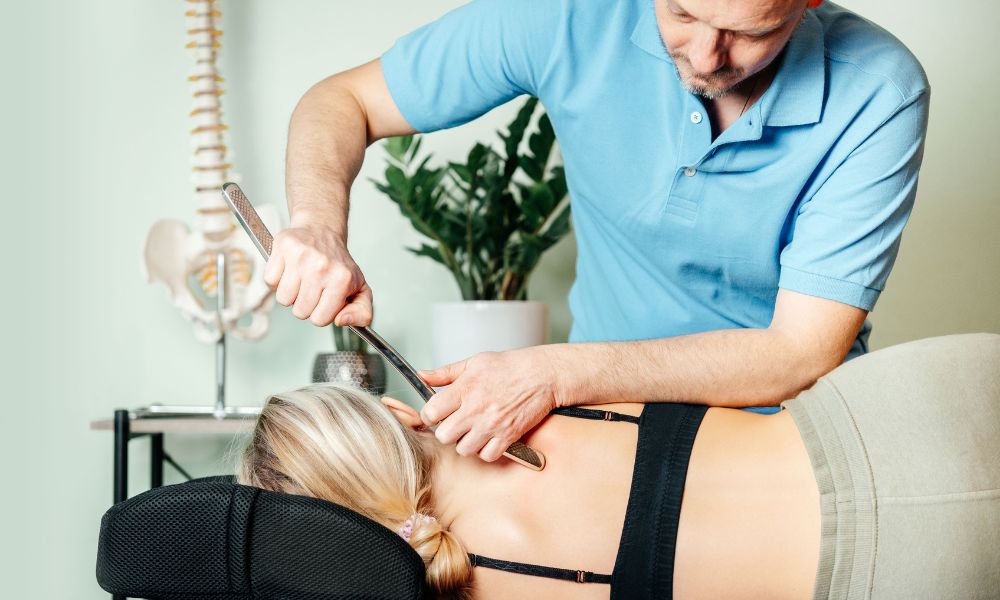
Many people deal with pain or trouble moving, whether it comes from injuries, long hours at work, sports, or daily wear and tear. Pain can make it hard to do normal activities, affect your posture, or reduce your ability to exercise. While rest, medication, or basic therapy can help temporarily, they don’t always fix the root cause. Active Release Technique (ART) is a hands-on therapy that focuses on the soft tissues in the body and helps improve movement and reduce pain in a lasting way.
Active Release Technique is designed for anyone who struggles with tight muscles, restricted joints, or lingering pain. It works on muscles, tendons, ligaments, fascia, and nerves, targeting the exact area that is causing problems. By combining careful manual pressure with guided movement, ART helps restore the body’s normal function, reduce pain, and increase flexibility.
This article will explain what Active Release Technique is, how it works, who can benefit from it, and how it can improve mobility and overall quality of life.
What is Active Release Technique?
Active Release Technique is a therapy that focuses on treating soft tissue problems. Soft tissues include muscles, tendons, ligaments, and fascia. These tissues can develop tight spots, scars, or adhesions after injuries, repeated stress, or even poor posture. When this happens, movement becomes restricted and pain often follows.
Active Release Technique works by identifying the tight or damaged tissue and applying controlled pressure while the patient moves the area being treated. This combination of pressure and movement allows the tissue to release and realign, improving mobility and reducing pain. Unlike other therapies that only stretch or massage the tissue, ART actively works with the patient to restore normal function.
How Active Release Technique Works
The process of Active Release Technique focuses on restoring normal movement and function to the affected tissues. Here’s how it works:
- The practitioner begins with a careful assessment to find tight, restricted, or injured areas.
- Targeted pressure is applied directly to the affected tissue.
- The patient moves the affected part of the body through specific motions while pressure is applied.
- The combination of movement and pressure helps break down adhesions, improve blood flow, and restore proper tissue alignment.
This hands-on approach helps the tissue heal naturally and reduces the tension that often causes pain or limits movement.
Conditions That Can Benefit from Active Release Technique
Active Release Technique is effective for a wide range of conditions, especially those related to soft tissue injuries and repetitive strain. Some common examples include:
- Muscle strains and sprains
- Tendonitis, including tennis elbow, golfer’s elbow, and Achilles tendonitis
- Carpal tunnel syndrome and other nerve compression issues
- Plantar fasciitis
- Neck and back pain caused by tension or poor posture
- Sciatica or leg pain caused by nerve compression
- Sports injuries from overuse or trauma
Whether you are an athlete, a desk worker, or someone recovering from an injury, ART can help restore proper movement and reduce pain.
Benefits of Active Release Technique
Active Release Technique provides several benefits that make it different from other forms of treatment. Some of the main advantages include:
1. Natural Pain Relief
One of the biggest benefits of ART is that it reduces pain without relying on medications or invasive procedures. By targeting the tissue that is actually causing the pain, ART works at the source rather than masking symptoms. Many patients notice relief immediately after treatment.
2. Improved Flexibility and Range of Motion
Scar tissue, tight muscles, or adhesions can make it hard to move freely. Active Release Technique helps release these restrictions, allowing joints and muscles to move more easily. Improved mobility makes it easier to do everyday tasks and participate in exercise or sports.
3. Faster Recovery from Injury
ART encourages blood flow to injured tissues, which brings nutrients and oxygen that aid in healing. By breaking down scar tissue and improving tissue function, ART helps injuries heal more effectively and reduces the risk of chronic pain.
4. Relief for Chronic Conditions
Many people suffer from long-term musculoskeletal problems caused by overuse, repetitive motions, or poor posture. Active Release Technique can help manage these conditions by releasing tension in muscles, tendons, and fascia, improving movement, and reducing discomfort over time.
5. Personalized Treatment
ART is not a generic treatment. Each session is tailored to the specific needs of the patient. The practitioner focuses on the exact areas causing pain or restricting movement, which increases the effectiveness of the therapy and reduces the chance of recurring problems.
6. Can Be Combined with Other Therapies
Active Release Technique works well alongside other treatments such as physical therapy, exercise programs, and rehabilitation plans. ART improves muscle function and flexibility, which can make other therapies more effective and help patients recover faster.
The Active Release Technique Process
The process of Active Release Technique typically involves several steps:
Step 1: Assessment
The practitioner starts by assessing the patient to locate areas of restricted tissue, scar formation, or muscle tension. This ensures the treatment focuses on the areas that need it most.
Step 2: Targeted Pressure
Once the problem areas are identified, the practitioner applies controlled pressure to the tissue. This pressure is firm but careful, helping to release tight spots or adhesions.
Step 3: Active Movement
While pressure is applied, the patient moves the affected area in specific ways. This allows the tissue to release and realign naturally, restoring normal movement patterns.
Step 4: Reassessment
After treatment, the practitioner reassesses the area to make sure the tissue is functioning better and movement has improved. Additional treatment may be done if needed.
Step 5: Home Care
Patients may be given exercises or stretches to do at home to maintain the benefits of ART. These exercises help prevent re-injury and support ongoing mobility and pain relief.
How Active Release Technique Supports Mobility
Mobility is essential for a healthy life. When movement is limited, it can cause poor posture, muscle strain, and more pain. Active Release Technique helps improve mobility in several ways:
- Breaking down scar tissue and adhesions that limit movement
- Releasing tight muscles that reduce flexibility
- Improving coordination and muscle function
- Supporting proper posture to reduce strain on joints and muscles
- Enhancing overall flexibility and range of motion
By restoring proper function to soft tissues, ART makes it easier to move comfortably and perform daily activities.
What to Expect During Treatment
Patients often notice improvement after the first session of Active Release Technique, but multiple sessions may be needed depending on the severity of the issue. Typical experiences include:
- Reduced pain and discomfort
- Easier movement and improved flexibility
- Better performance in physical activities
- Greater awareness of body mechanics and posture
It is normal to feel mild soreness after treatment, especially if tissues were very tight or restricted. This usually goes away within one or two days.
Who Can Benefit from Active Release Technique
Active Release Technique can help a wide range of people, including:
- Athletes: ART can improve performance, prevent injuries, and help with recovery.
- Office workers: Those with neck, shoulder, or back pain from sitting for long hours can find relief.
- Manual laborers: People doing repetitive or physical work often experience muscle tightness or tendon issues that ART can treat.
- People with chronic pain: ART can help manage long-term pain caused by musculoskeletal conditions.
- Individuals recovering from injury or surgery: ART supports faster healing and restores movement.
Tips for Getting the Most from Active Release Technique
To get the best results from ART, consider the following:
- Follow any exercises or stretches recommended by your practitioner
- Stay hydrated to support tissue health
- Use heat or ice therapy as advised for recovery
- Avoid activities that aggravate the injury during healing
- Consider regular maintenance sessions to prevent future issues
Conclusion
Active Release Technique is a hands-on therapy that targets soft tissue problems to restore normal movement and reduce pain. By combining precise pressure with active movement, ART addresses the root causes of restricted movement, scar tissue, and tension, rather than just masking symptoms.
This therapy benefits people of all ages and activity levels, from athletes to office workers. It can help treat injuries, manage chronic conditions, and improve mobility. Regular sessions, combined with proper exercises and healthy habits, can provide long-lasting results, allowing individuals to move more freely, experience less pain, and enjoy a higher quality of life.
