Introduction
India is home to some of the world’s richest wildlife habitats, and few destinations capture the imagination quite like Ranthambore National Park. Located in the Sawai Madhopur district of Rajasthan, this remarkable reserve combines breathtaking natural beauty with centuries of history. Towering cliffs, dense forests, sparkling lakes, and the magnificent Ranthambore Fort create a landscape unlike any other in the country.
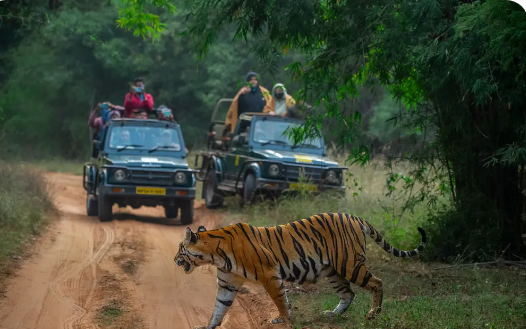
A jungle safari ranthambore experience is widely regarded as one of the finest wildlife adventures in India. The park is especially famous for its healthy population of Bengal tigers, many of which are known for their confidence around safari vehicles. Visitors also have opportunities to encounter leopards, sloth bears, marsh crocodiles, hyenas, and hundreds of bird species while exploring diverse ecosystems that support an extraordinary range of wildlife.
Whether someone is passionate about wildlife photography, nature conservation, birdwatching, or simply discovering India’s natural heritage, Ranthambore offers unforgettable moments throughout every season.

Understanding Ranthambore National Park
Ranthambore National Park is among India’s most celebrated protected forests. Originally serving as the private hunting grounds of the Maharajas of Jaipur, the region later became a protected sanctuary before eventually earning national park status. Today, it remains one of the country’s leading wildlife conservation success stories.
The park spans a varied landscape featuring:
- Dry deciduous forests
- Open grasslands
- Rocky escarpments
- Ancient banyan trees
- Seasonal streams
- Large freshwater lakes
- Historic temple ruins
This remarkable combination of natural and historical features creates a unique environment where wildlife thrives among centuries-old architecture.
A Landscape Rich in Natural Beauty
Unlike many dense forests where wildlife remains hidden, Ranthambore’s terrain allows visitors to enjoy relatively open views across valleys, lakes, and rocky plateaus.
The scenery changes dramatically throughout the day. Early mornings reveal mist drifting across lakes while golden sunlight illuminates ancient ruins. During afternoons, warm light transforms the rocky hills into brilliant shades of amber and gold.
Large water bodies such as Padam Talao, Rajbagh Talao, and Malik Talao attract countless animals throughout the year, making these locations particularly rewarding for wildlife observation.
Why Tigers Thrive Here
Ranthambore has earned global recognition because of its remarkable tiger population.
Several factors contribute to the reserve’s success:
Healthy Habitat
The park contains a balanced ecosystem that provides sufficient food, water, shelter, and breeding grounds for large predators.
Reliable Water Sources
Permanent lakes and seasonal streams sustain wildlife even during Rajasthan’s dry months.
Protected Conservation Area
Long-term conservation efforts have helped maintain stable wildlife populations while reducing habitat disturbance.
Abundant Prey
Species including sambar deer, spotted deer, nilgai, wild boar, and langurs provide a healthy prey base for tigers.
These conditions allow tigers to establish territories throughout the reserve while supporting successful breeding generations.
The Excitement of a Wildlife Safari
Every safari is different because wildlife moves freely across the landscape.
Visitors often begin their journey before sunrise when temperatures remain cool and animals become highly active. As safari vehicles travel along designated forest tracks, experienced guides interpret signs left by wildlife, including footprints, alarm calls, claw marks, and fresh movement.
The anticipation builds with every turn, creating an experience that combines patience, observation, and excitement.
Many visitors describe a jungle safari ranthambore as more than simply searching for tigers—it becomes an opportunity to understand the intricate relationships that sustain an entire ecosystem.
Wildlife Beyond the Tiger
Although tigers receive most attention, Ranthambore supports an extraordinary diversity of wildlife.
Leopards
These elusive cats often occupy rocky cliffs and forested slopes where they avoid direct competition with tigers.
Sloth Bears
Often seen searching for termites or fruits, sloth bears add another exciting possibility during safari drives.
Striped Hyenas
These nocturnal scavengers occasionally appear during early morning or evening excursions.
Jackals and Foxes
Several smaller predators help maintain ecological balance throughout the reserve.
Marsh Crocodiles
The lakes provide ideal habitat for crocodiles that frequently bask along muddy shorelines.
Deer Species
Common herbivores include:
- Sambar
- Chital
- Nilgai
- Chinkara
These animals form the foundation of the park’s food chain.
Ancient History Within the Forest
One of Ranthambore’s defining characteristics is the presence of remarkable historical monuments inside the protected landscape.
The impressive Ranthambore Fort dominates the skyline from a steep hilltop. Constructed centuries ago, the fort overlooks forests, lakes, and valleys, creating spectacular panoramic views.
Scattered throughout the reserve are:
- Ancient gateways
- Stone temples
- Hunting pavilions
- Crumbling palace walls
- Historic watchtowers
These architectural remains blend naturally into the surrounding forest, creating one of India’s most distinctive wildlife destinations.
Seasonal Changes Across the Park
Every season offers unique wildlife experiences.
Winter
Cool temperatures make wildlife viewing comfortable.
Migratory birds arrive in large numbers while morning mist creates dramatic photography opportunities.
Summer
As water becomes limited, animals frequently gather near lakes, increasing wildlife sightings.
Although daytime temperatures become high, experienced visitors often appreciate the excellent visibility.
Monsoon
Rain transforms the forest into lush greenery.
Fresh vegetation supports herbivores, while landscapes become vibrant and scenic.
Photography Opportunities
Ranthambore has become one of India’s leading wildlife photography destinations.
Photographers appreciate:
- Open landscapes
- Natural lighting
- Dramatic ruins
- Water reflections
- Close wildlife encounters
- Rich biodiversity
Successful photography requires patience rather than speed. Waiting quietly often produces the most memorable images.
Responsible Wildlife Tourism
Conservation depends heavily on responsible visitor behavior.
Ethical safari practices include:
- Remaining inside authorized vehicles
- Following guide instructions
- Maintaining silence near wildlife
- Avoiding litter
- Respecting animal space
- Never attempting to attract wildlife
Responsible tourism supports long-term conservation while minimizing stress on animals.
The Role of Experienced Naturalists
Professional naturalists significantly enhance safari experiences.
Rather than simply locating animals, they explain:
- Animal behavior
- Habitat relationships
- Bird identification
- Seasonal movements
- Conservation history
- Forest ecology
- Local biodiversity
Their interpretation transforms a sightseeing trip into an educational wildlife experience.
Conservation Success Story
Ranthambore represents one of India’s most significant conservation achievements.
Decades of habitat protection, scientific monitoring, anti-poaching efforts, and community involvement have helped restore wildlife populations.
Conservation initiatives continue focusing on:
- Habitat management
- Water conservation
- Wildlife monitoring
- Human-wildlife coexistence
- Sustainable tourism
- Environmental education
These efforts ensure future generations can continue experiencing this remarkable landscape.
Planning a Meaningful Visit
Visitors benefit from preparing thoughtfully before entering the park.
Useful considerations include:
- Wearing neutral-colored clothing
- Carrying binoculars
- Bringing sufficient drinking water
- Using sun protection
- Keeping cameras ready
- Listening carefully to guides
Patience remains one of the most valuable qualities during any safari, as wildlife sightings occur naturally rather than on schedule.
Experiencing Nature Beyond Animal Sightings
Many memorable moments occur even without encountering large predators.
Visitors often remember:
- Deer grazing peacefully
- Peacocks displaying vibrant feathers
- Crocodiles resting beside lakes
- Eagles soaring overhead
- Morning sunlight filtering through forests
- Reflections across calm water bodies
- Ancient ruins emerging from the wilderness
These experiences collectively create a deeper appreciation of India’s natural heritage.
The Lasting Appeal of Ranthambore
Ranthambore continues attracting travelers because it offers much more than wildlife observation.
It combines:
- Exceptional biodiversity
- Historic architecture
- Scenic landscapes
- Rich ecological importance
- Outstanding photography opportunities
- Conservation education
Each visit offers a unique perspective, as changing seasons, wildlife movements, and natural conditions ensure that no two safaris are exactly alike.
A carefully planned jungle safari ranthambore journey allows visitors to witness one of India’s finest examples of successful wildlife conservation while experiencing landscapes that have inspired explorers, photographers, and naturalists for generations.
The Bottom Line
Ranthambore National Park represents one of India’s most extraordinary wildlife destinations, where rugged hills, peaceful lakes, ancient fort ruins, and thriving forests come together to create an unforgettable natural environment. Its internationally recognized tiger population, remarkable biodiversity, and rich historical setting distinguish it from many other protected areas across the country.
For nature enthusiasts, photographers, birdwatchers, and conservation supporters alike, a jungle safari ranthambore experience offers far more than the possibility of seeing a tiger. It provides an opportunity to understand the delicate balance of ecosystems, appreciate centuries of cultural heritage, and witness how responsible conservation can preserve wildlife for future generations. With every visit offering new discoveries, Ranthambore remains one of India’s most rewarding destinations for those seeking an authentic connection with the natural world.
